End the ‘what’s for Dinner?’ Stress With Better Meal Planning
I used to think that learning how to meal plan meant spending my entire Sunday afternoon in a kitchen that looked like a Pinterest board, surrounded by perfectly color-coded glass containers and enough organic kale to feed a small village. But let’s be real: most of those “aesthetic” meal prep tutorials are a total lie. They show you these beautiful, uniform rows of food, but they never show you the part where you’re staring blankly into a fridge at 7:00 PM on a Tuesday, exhausted from work, feeling like a failure because you didn’t prep a gourmet grain bowl.
I’m not here to sell you on a lifestyle of culinary perfection or tell you to buy a dozen expensive Tupperware sets. Instead, I want to show you how to build small, repeatable systems that actually survive a chaotic week. We’re going to skip the fluff and focus on the low-effort, high-impact strategies that work when life gets messy. My goal is to help you master a way of eating that actually moves the needle on your stress levels without turning your kitchen into a second full-time job.
Meal Prep for Beginners Starting Small and Staying Sane
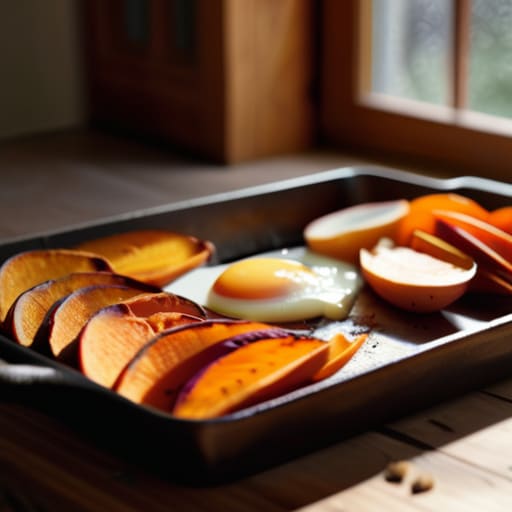
If you’ve ever looked at a Pinterest board full of perfectly uniform glass containers filled with vibrant, color-coded salads, please stop. That’s not real life. Real life is a Tuesday night when you’re exhausted, and the last thing you want to do is chop an entire head of kale. The secret to meal prep for beginners isn’t about becoming a sous-chef on Sunday; it’s about lowering the barrier to entry so you don’t quit by Wednesday. Start with one thing. Maybe that’s just boiling a batch of eggs or roasting a big tray of sweet potatoes to toss into whatever you’re eating later.
Don’t try to overhaul your entire diet in one go. Instead, lean into batch cooking strategies that actually serve you. If you’re making chili or a big pot of lentil soup, make twice as much as you need. It takes almost zero extra effort, but it buys you a “free” lunch the next day. This is the ultimate form of budget friendly meal planning because it stops those expensive, last-minute takeout orders from creeping in when your fridge looks empty. Focus on building small, repeatable wins rather than a perfect, Instagram-worthy kitchen.
Healthy Meal Planning Ideas That Dont Require Fancy Ingredients
We’ve all been there: standing in the middle of the grocery aisle, staring at a jar of organic, hand-harvested quinoa that costs more than my monthly internet bill, wondering why “healthy” has to be so expensive. It’s a trap. You don’t need a pantry full of superfoods to eat well; you just need staples that play nice together. I’m talking about the basics—oats, beans, frozen veggies, and eggs. These are the heavy lifters of budget friendly meal planning. If you can master a simple grain bowl or a hearty lentil soup, you’ve already won half the battle.
The secret to making this work without losing your mind is leaning into batch cooking strategies. Instead of trying to cook five different recipes, pick one base component—like a large pot of brown rice or roasted sweet potatoes—and use it across three different meals. One night it’s a veggie stir-fry, the next it’s a protein bowl, and by Thursday, it’s a quick fried rice situation. This isn’t about being a gourmet chef; it’s about using healthy meal planning ideas that rely on versatility rather than a long list of niche ingredients you’ll never use again.
5 Low-Stakes Ways to Keep Your Kitchen From Becoming a Disaster Zone
- Stop trying to cook five different recipes every Sunday. Seriously, just pick two or three “anchor” meals that you can rotate throughout the week. If you’re making a massive batch of chili on Sunday, plan to eat it as a bowl on Monday and then use the leftovers for a quick chili mac or baked potato on Wednesday.
- Shop your own pantry before you even touch a grocery app. I spent way too long buying a third jar of cumin last week because I didn’t bother to look behind the pasta sauce. Knowing what you already have prevents wasted money and that “what’s for dinner?” panic when you’re staring at a half-empty cupboard.
- Embrace the “Component Method” instead of full-on meal prepping. You don’t need to spend four hours portioning everything into identical plastic containers like some productivity influencer. Just roast a tray of veggies, boil a pot of grains, and cook some protein. Throw them together in different ways throughout the week so you don’t get bored.
- Keep a “Emergency Meal” list for those nights when everything goes sideways. This isn’t for when you’re feeling inspired; it’s for when you’re exhausted and about to order $40 worth of takeout. Think: breakfast for dinner, frozen dumplings, or even just a really good grilled cheese. Having a fallback prevents the impulse spend.
- Don’t aim for perfection; aim for “good enough.” If your meal plan falls apart on Tuesday because a client called or you just didn’t feel like it, let it go. The goal isn’t a flawless spreadsheet; it’s just having a general idea of what’s happening so you aren’t making decisions when you’re hungry and stressed.
The TL;DR: How to keep this from becoming another chore
Forget the Pinterest-perfect glass containers; just focus on picking two or three reliable meals you can repeat during your busiest days to take the decision fatigue out of dinner.
Build your plan around what you actually have in your pantry and what’s on sale, rather than chasing complicated recipes that require a grocery run every single time.
Aim for “good enough” instead of perfection—a repeatable, simple system that survives a chaotic Tuesday is worth way more than a gourmet meal prep that you abandon by Wednesday.
## The Reality Check
“Stop trying to build a Pinterest-perfect meal plan that requires a grocery haul from three different specialty stores. Real meal planning isn’t about culinary mastery; it’s about building a simple, repeatable system that keeps you from ordering expensive takeout when you’re too exhausted to think.”
Nadia Halloway
Final Thoughts: Keep It Simple
At the end of the day, meal planning isn’t about achieving some Pinterest-perfect vision of glass containers filled with color-coded vegetables. It’s about building a system that protects your time and your sanity when you’re exhausted after a long workday. Whether you’re just starting with one easy recipe a week, sticking to a handful of reliable staples, or keeping your grocery list dead simple, the goal is to reduce decision fatigue. You don’t need a masterclass in nutrition or a pantry full of expensive superfoods to make this work; you just need a repeatable rhythm that fits into the actual, messy reality of your life.
Please, give yourself some grace if a week goes totally off the rails and you end up ordering takeout three nights in a row. That’s not a failure; it’s just life happening. The beauty of a good system is that it’s meant to be flexible, not a cage. Don’t let the pursuit of the “perfect” meal plan stop you from making any progress at all. Just pick one small thing you can control this week—maybe it’s just pre-chopping an onion or deciding on Monday what’s for Tuesday—and start there. You’ve got this, and I promise, small wins add up faster than you think.
Frequently Asked Questions
How do I meal plan without spending my entire Sunday in the kitchen?
Stop trying to prep twenty different Tupperware containers on a Sunday. That’s a recipe for burnout. Instead, focus on “component prepping.” Roast a big batch of veggies, cook one grain, and prep a protein. That’s it. You aren’t building meals; you’re building a toolkit. When Tuesday hits and you’re exhausted, you just grab a handful of each and throw them in a bowl. It’s less work, less cleaning, and actually sustainable.
What do I do when my meal plan goes out the window because of an unexpected work crisis or a late night?
Look, this is where most people throw in the towel and order takeout, but we aren’t doing that. When the chaos hits, stop trying to follow the “plan” and switch to your “emergency protocol.” Keep a stash of low-effort staples—think frozen veggies, canned beans, or that 10-minute pasta—that require zero mental energy. The goal isn’t a gourmet meal; it’s just fueling yourself without breaking the bank or the system.
Is it actually cheaper to meal plan, or am I just spending more on groceries upfront?
It’s a fair question, and honestly, if you’re doing it wrong, you definitely are spending more upfront. I used to fall into the trap of buying “aesthetic” superfoods and specialty spices I’d never use again. But when you shift from buying “ingredients” to buying “meals,” the math changes. You stop impulse-buying that random jar of truffle oil and start buying versatile staples. It’s about reducing waste, not just increasing the grocery bill.
How can I keep things from getting boring if I'm eating similar meals throughout the week?
The secret is to stop thinking in “recipes” and start thinking in “components.” Instead of making a specific chicken pasta every Monday, prep a big batch of roasted chicken, a jar of vinaigrette, and some grains. One night, it’s a grain bowl; the next, it’s a wrap or a salad. By swapping just one sauce or one crunchy topping, you change the entire vibe without actually adding more work to your plate.