
Moving From Procrastination to Action
I’m so tired of seeing those “aesthetic productivity” influencers post videos of their $50 planners, perfectly color-coded highlighters, and sunrise meditation routines as the secret to success. It’s total nonsense. If you think buying a new digital planner or a fancy desk lamp is the magic answer to how to stop procrastinating, you’re just performing productivity instead of actually being productive. I spent years thinking I needed the perfect setup before I could start working, only to realize I was just using “preparation” as a sophisticated way to avoid the actual work.
I’m not here to sell you a lifestyle of perfection or a subscription to some complex task-management software. Instead, I want to talk about the small, slightly messy systems that actually work when your brain feels like mush and your to-do list is staring you down. I’m going to share the low-tech, high-impact habits I use to move the needle when life gets chaotic. We aren’t going for a grand overhaul today; we’re just looking for one tiny way to get you moving.
Understanding the Messy Psychology of Procrastination

Here’s the thing: we’ve been told for years that procrastination is just a lack of willpower or poor time management. But after years of consulting for overwhelmed teams and trying to fix my own chaotic freelance schedule, I’ve realized it’s much deeper than that. It’s not about being lazy; it’s about emotional regulation. When we look at a daunting project, our brains don’t see a task—they see a threat. We feel a spike of anxiety, and our natural instinct is to retreat to something safe, like scrolling through social media or reorganizing a junk drawer.
This is where the psychology of procrastination gets real. For a lot of us, it’s actually a side effect of managing perfectionism. We get so paralyzed by the fear that the end result won’t be “perfect” or “professional” enough that we decide not to start at all. It’s a defense mechanism. If we never finish, we can’t be judged. Understanding that your brain is just trying to protect you from discomfort is the first step toward overcoming task paralysis without the crushing guilt that usually follows. We have to stop treating ourselves like broken machines and start treating ourselves like humans who are just trying to navigate a heavy workload.
Managing Perfectionism Before It Freezes You

Here is the truth: most of us aren’t actually “lazy.” We’re just terrified of doing a bad job. I used to think I was a procrastinator, but looking back, I was just a perfectionist in denial. I’d stare at a blank screen for two hours, not because I didn’t have ideas, but because I was waiting for the perfect idea to strike. This is where managing perfectionism becomes vital. When you demand excellence from yourself before you’ve even started, you trigger a freeze response. You aren’t being disciplined; you’re just being paralyzed by your own high standards.
The fix isn’t a fancy new planner or some high-octane productivity hack; it’s giving yourself permission to be mediocre. I call it the “B-minus rule.” Tell yourself you are intentionally going to produce something slightly flawed just to get the momentum going. By breaking down large tasks into tiny, low-stakes movements, you bypass that mental alarm bell that screams this isn’t good enough. Once the “messy version” is on paper, you actually have something to work with. It’s much easier to polish a rough draft than it is to polish a ghost.
Five tiny, low-stakes ways to actually start moving
- The “Five-Minute Rule” for when your brain is staging a protest. Tell yourself you’re only going to work on that daunting task for exactly five minutes. Once the timer goes off, you have full permission to quit. Usually, the hardest part is just breaking the seal, and once you’re in it, you’ll likely keep going.
- Stop building “Master Lists” that look like grocery lists for a small nation. When everything is marked as high priority, nothing is. Pick three—just three—things that actually need to happen today. Write them on a sticky note, hide the rest of your massive to-do list, and focus only on those.
- Lower the bar until it’s touching the floor. If you can’t bring yourself to write a whole report, write three bullet points. If you can’t clean the whole kitchen, just wash three forks. We often procrastinate because the task feels too “big,” so make it so small it feels almost ridiculous to say no to.
- Use “Body Doubling” without the fancy apps. If you’re struggling to focus, hop on a quick video call with a friend or even just sit in a busy coffee shop. Having another human being nearby—even if they aren’t helping you—creates a subtle sense of accountability that can pull you out of a scrolling spiral.
- Forgive yourself for the morning you just wasted. This is the big one. If you spend three hours staring at a wall or scrolling through TikTok, don’t spend the fourth hour beating yourself up about it. Guilt is just more procrastination in a different outfit. Take a breath, grab some water, and just start the next five minutes fresh.
The Low-Stakes Strategy for Moving Forward
Stop waiting for the “perfect” moment or the perfect mood to strike; just commit to five minutes of messy, imperfect work to break the paralysis.
Shrink your to-do list until it actually feels manageable, focusing on one or two tiny wins rather than a massive, overwhelming checklist.
Build systems that account for your bad days, because a plan that only works when you’re feeling 100% is a plan that’s destined to fail.
The perfectionism trap
We spend so much time waiting for the ‘perfect’ moment or the ‘perfect’ energy level to start, but the truth is, waiting for inspiration is just procrastination in a fancy suit. Real progress doesn’t look like a curated aesthetic; it looks like a messy, imperfect first draft done while you’re still tired and slightly overwhelmed.
Nadia Halloway
Stop Waiting for the Perfect Moment
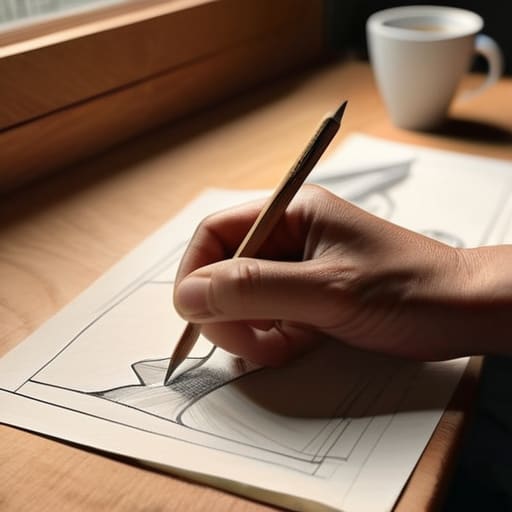
Look, we’ve covered a lot of ground, from untangling the messy psychology behind why we freeze up to realizing that your perfectionism is actually just a fancy way of procrastinating. The takeaway isn’t to go out and buy a $50 planner or download a complex new time-blocking app. It’s about recognizing that procrastination is usually an emotional hurdle, not a time-management one. Whether you’re fighting the urge to doomscroll or staring at a blank screen because you’re scared of doing a “bad” job, the solution is the same: lower the stakes. Stop trying to build a masterpiece and just aim for something barely functional to get the momentum shifting in your favor.
At the end of the day, your life is going to be messy, and your to-do list is probably going to stay long. That’s okay. You don’t need a grand, sweeping overhaul to be productive; you just need to show up for the small, unglamorous bits. If you can find one tiny, repeatable system that works even when you’re tired or overwhelmed, you’ve already won. So, close this tab, put your phone in the other room, and just do the smallest possible version of that thing you’ve been avoiding. You’ve got this.
Frequently Asked Questions
How do I actually start working when the task feels so big it's physically paralyzing?
When a task feels like a physical weight in your chest, stop trying to “tackle” it. You can’t fight a mountain. Instead, I use the “Five-Minute Rule.” Tell yourself you’re only going to work for five minutes—just five. Open the document, type one sentence, or clear one corner of your desk. Usually, the paralysis comes from the sheer scale of the finish line. Once you break the seal, the momentum takes over.
I know I'm procrastinating, but how do I stop the guilt spiral that makes it even harder to get back to work?
Look, the guilt spiral is a productivity killer. You spend more energy beating yourself up than you do actually working, and that just drains your battery even faster. Here’s the fix: forgive yourself immediately. Seriously. Treat the procrastination like a glitch in the system rather than a character flaw. Once you stop punishing yourself, you lower the stakes, which makes it way easier to just pick one tiny, low-pressure task and start.
Is there a way to stay productive without turning my entire life into a rigid, soul-sucking schedule?
Honestly? Yes. The secret is to stop trying to “optimize” every waking second. I used to think I needed a color-coded calendar for my entire existence, but that just led to burnout. Instead, try “anchor habits.” Pick two or three non-negotiable things—like clearing your desk before bed or tackling your hardest task first thing—and let the rest of the day be fluid. Build systems that bend so they don’t break when life gets messy.
How can I tell the difference between needing a real break and just using "rest" as another way to avoid my to-do list?
Here’s the litmus test I use: check your energy, not your clock. A real break actually refills your tank—you feel slightly more capable of facing the world afterward. Procrastination-rest, on the other hand, feels heavy. It’s that guilty, brain-fogged scrolling where you aren’t actually relaxing, you’re just hiding. If you finish “resting” feeling more anxious than when you started, you aren’t recharging; you’re just avoiding.