Batch Cooking 101: Cook Once and Eat All Week
If you’ve spent any time on social media lately, you’ve probably seen those “aesthetic” meal prep videos—you know the ones, where someone spends six hours in a pristine, sun-drenched kitchen organizing rainbow-colored vegetables into identical glass containers. Honestly? It’s exhausting, and it’s a lie. Most of us don’t have the time or the pristine pantry to pull that off, and trying to follow those rigid, Pinterest-perfect tutorials is the fastest way to burn out. I’m not here to teach you how to turn your kitchen into a studio set; I want to talk about batch cooking for beginners that actually survives a chaotic Tuesday night when you’re tired and just want to sit on the couch.
I promise this isn’t going to be a lecture on gourmet culinary techniques or a shopping list that costs half your paycheck. Instead, I’m going to share the messy, realistic systems I’ve built over the years to keep myself fed without losing my mind. We’re going to focus on small, repeatable wins—like picking two versatile bases and learning how to cook once so you aren’t scrambling later. Let’s ditch the perfectionism and focus on what actually works when life gets messy.
Stop Overcomplicating Your Weekly Meal Prep Strategy
Look, I’ve seen those Pinterest boards where every Tupperware is a perfectly color-coded masterpiece of quinoa and roasted kale. It looks great, but let’s be real: if you’re trying to maintain that level of perfection every Sunday, you’re going to burn out by week three. My advice? Stop trying to engineer a culinary masterpiece and start building a weekly meal prep strategy that actually accounts for your exhaustion. You don’t need a ten-step process; you just need to stop treating your kitchen like a high-stakes laboratory.
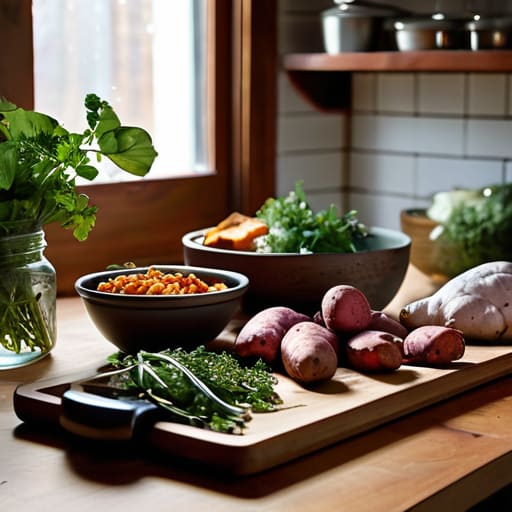
Instead of trying to cook five different recipes, lean into the power of budget friendly bulk cooking. Pick one protein, one grain, and two veggies. Roast them all on sheet pans while you catch up on a podcast or finally tackle that pile of laundry. This isn’t about being a chef; it’s about creating components. When you have a big batch of seasoned chicken and a mountain of roasted sweet potatoes sitting in the fridge, you can pivot. Tuesday can be a bowl, Wednesday can be a wrap, and Thursday can be a salad. That flexibility is what keeps the system from breaking when life inevitably gets messy.
Budget Friendly Bulk Cooking for Real Messy Lives
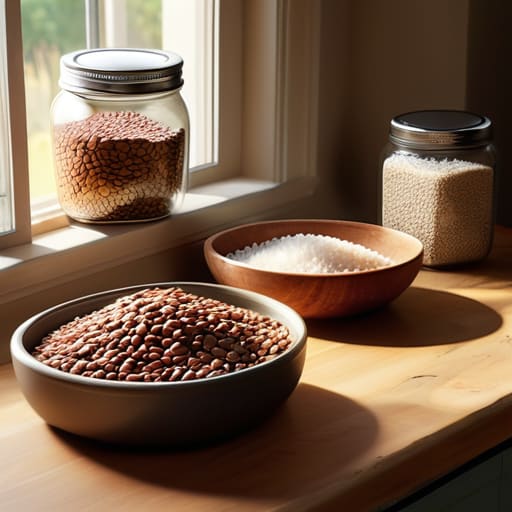
Here is the truth: you don’t need a massive pantry or a designer kitchen to make this work. Most of my best “systems” started with whatever was on sale at the local grocer. When I’m practicing budget friendly bulk cooking, I’m not looking for organic, artisanal superfoods; I’m looking for versatile staples like dried lentils, large bags of rice, or whatever protein is hitting the clearance rack. The goal is to buy in volume so you aren’t paying the “convenience tax” every single time you walk through the door.
Once you’ve got your ingredients, don’t go out and buy a hundred matching glass jars just because an influencer told you to. Start with some basic, reliable meal prep containers for beginners—the kind that actually seal tight and don’t leak in your bag. It’s more about protecting your investment (the food you already spent time cooking) than it is about having a Pinterest-worthy fridge. If you can keep your portions organized and your containers airtight, you’ve already won half the battle against midweek takeout cravings.
5 ways to actually make this stick (without losing your mind)
- Pick one “anchor” ingredient instead of five full recipes. Don’t try to cook three different meals at once. Just roast a massive tray of seasoned chicken or a giant pot of lentils and use that base for three different things throughout the week. It saves so much brainpower.
- Embrace the freezer like it’s your best friend. If you realize you’ve made way too much of a chili or a soup, don’t force yourself to eat it for five days straight. Portion it out into individual containers immediately and freeze them for those “I can’t even” nights next month.
- Stop aiming for “Pinterest perfect” containers. You don’t need a matching set of expensive glass bins to be organized. Old Tupperware or even just decent reusable bags work fine. The goal is to have food ready, not to have a kitchen that looks like a showroom.
- Keep a “emergency pantry” list. Batch cooking fails when you realize you have the ingredients for the meal but no rice or pasta to go with it. Keep the basics—grains, canned beans, easy sauces—always in stock so your prep actually turns into a meal.
- Plan for the “pivot.” Some weeks, your batch cook will go bad because you ended up eating out or working late. That’s fine. Don’t let it turn into a “failed diet” moment. Just clear the fridge and start again next Sunday. Systems are meant to be flexible, not fragile.
The "Keep It Simple" Cheat Sheet
Pick two versatile bases—like a big pot of grains or a roasted tray of veggies—and build different meals around them instead of trying to cook five unique recipes at once.
Don’t aim for Pinterest-perfect containers; use whatever Tupperware you already own, even if it’s a mismatched collection, because the goal is eating well, not looking organized.
Leave yourself an “emergency out”—always keep a few frozen staples or easy pantry meals on hand so you don’t feel like a failure when your batch cooking plan inevitably hits a snag.
The truth about meal prepping
“Forget those Pinterest-perfect containers filled with rainbow-colored vegetables; real meal prepping is just about making sure you have something decent to eat on a Tuesday night when you’re too exhausted to even look at a stove.”
Nadia Halloway
The Bottom Line
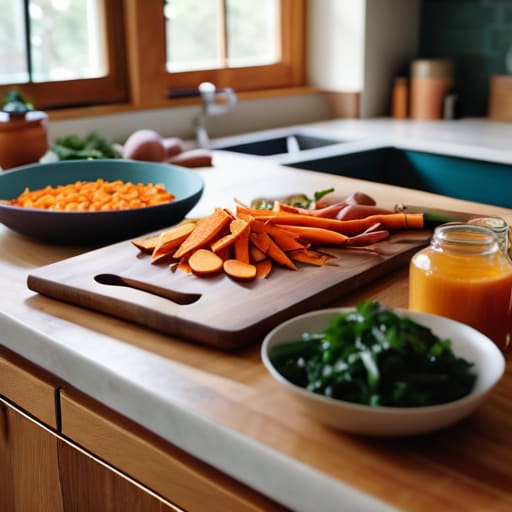
Look, if you’re feeling overwhelmed by everything we just talked about, take a breath. You don’t need to turn your kitchen into a professional test kitchen or spend your entire Sunday scrubbing stainless steel containers. Just remember: keep your recipes simple, shop with a plan to save your cash, and don’t be afraid to let things get a little chaotic. The goal isn’t to have a fridge that looks like a Pinterest board; the goal is to have something edible ready to go when you’re exhausted after a long day. It’s all about building small, repeatable systems that serve you, rather than you serving a rigid schedule.
At the end of the day, meal prepping is just a tool to give you back your time and your sanity. If you only manage to cook one big pot of chili this week, call that a win. Progress isn’t about being perfect; it’s about making life slightly more manageable when things inevitably go sideways. Stop waiting for the “perfect” time to start a massive lifestyle overhaul and just start where you are. Grab a single recipe, find a cheap bulk ingredient, and see how it feels. You’ve got this.
Frequently Asked Questions
I don't have a massive kitchen or a huge fridge, so how do I store all this food without it feeling like a Tetris nightmare?
Look, I get it. I grew up in a tiny apartment where my fridge felt more like a puzzle than an appliance. If you don’t have massive shelf space, stop buying those giant, bulky plastic containers. They’re space-killers. Switch to stackable, square glass containers—they use every inch of corner space. Also, embrace the freezer bag method. Lay them flat to freeze, then stack them like files in a drawer. It’s much easier than fighting a Tetris nightmare every Sunday.
How do I keep from eating the exact same thing every single day so I don't end up hating my life by Wednesday?
The trick isn’t cooking five different meals; it’s building a “modular” system. Instead of full recipes, prep components. Roast a big tray of veggies, cook a batch of grains, and prep two different proteins. By Wednesday, you can turn those same ingredients into a grain bowl with tahini, then toss them into a wrap with some hot sauce, or stir them into a quick stir-fry. Same ingredients, different vibes. It keeps things easy without the boredom.
Is it actually safer to reheat these meals multiple times, or am I just asking for food poisoning?
Look, I’ve been there—staring at a container of leftover curry wondering if I’m playing Russian roulette with my stomach. The short answer? Don’t reheat the same batch more than once. Every time you heat food up and let it cool back down, you’re creating a playground for bacteria. My rule of thumb: portion your cooked meals into individual containers immediately. That way, you only reheat what you’re actually eating. Safe, simple, and no midnight stomach cramps.
What do I do when I realize I actually overbought ingredients and now I have way too much stuff to cook at once?
Look, we’ve all been there. You went to the store with a plan, but ended up with three extra bags of spinach and a mountain of sweet potatoes. Don’t panic and don’t feel guilty—that’s just a math error, not a moral failing. My rule? Pivot to “component prepping.” Instead of full meals, roast those veggies or sauté that extra protein in bulk. Store them in containers so you can toss them into whatever you’re eating later.