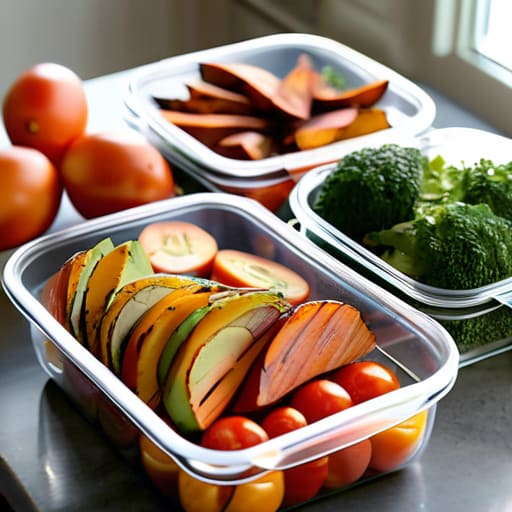
A Step-by-step Guide to Weekly Meal Prepping
If you’ve spent any time on Instagram lately, you’ve probably seen those “aesthetic” meal prep videos: rows of perfectly uniform, color-coordinated glass containers filled with organic quinoa bowls that look more like art than actual food. Honestly? It’s exhausting. Most of that stuff is just performative productivity, and it’s exactly why so many people give up on learning how to meal prep after the first week. You don’t need a $100 set of matching Tupperware or a four-hour window on a Sunday to eat better; you just need a system that doesn’t fall apart the moment your Tuesday gets chaotic.
I’m not here to sell you on a lifestyle of culinary perfection or expensive kitchen gadgets. My goal is to show you how to build a sustainable rhythm that actually fits into a real, messy life. We’re going to skip the complicated recipes and the “all-or-nothing” mentality. Instead, I’m sharing the low-effort, high-impact strategies I use to keep my fridge functional and my budget intact, even when I’m running on caffeine and deadlines. Let’s focus on what actually works when you’re too tired to think.
Stop Chasing Aesthetic Meal Prep Containers for Storage
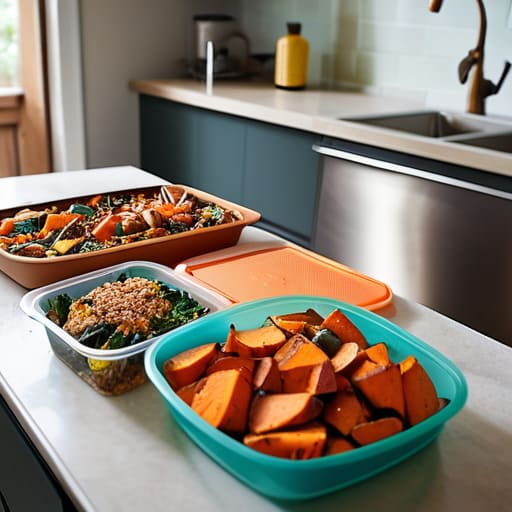
We’ve all seen them on Instagram: those perfectly uniform, glass-and-silicone sets that look like they belong in a museum, not a messy fridge. They’re beautiful, sure, but they are also a massive trap for your bank account and your sanity. I spent way too much money early in my career trying to curate a “system” that looked professional, only to realize that a mismatched collection of old Tupperware actually works just fine. The goal isn’t to have a Pinterest-worthy pantry; it’s to have food ready when you’re too tired to cook.
When you’re looking for meal prep containers for storage, prioritize utility over a matching color palette. Does the lid actually snap shut? Can you microwave it without it turning into a science experiment? If the answer is yes, it’s a winner. Instead of obsessing over the gear, focus on simple batch cooking techniques that actually fit into your existing life. If you can grab a container, shove it in your bag, and not worry about it leaking on your laptop, you’ve already won. Let the aesthetic go; let’s just focus on making sure you actually eat something decent on Wednesday night.
Build Your Weekly Grocery List for Meal Prep First
Before you even step foot in the grocery store, you need a game plan. I used to wander the aisles aimlessly, throwing things into my cart because they looked “healthy,” only to end up with a fridge full of wilted spinach and zero actual meals. The secret isn’t about having more willpower; it’s about having a solid weekly grocery list for meal prep that actually matches what you intend to eat. If it isn’t on the list, it doesn’t go in the cart. Period.
Start by looking at what you already have in your pantry—that’s the easiest way to save money. Once you know your base, pick three or four versatile ingredients that can play well together. Instead of trying to cook five different recipes, think about component-based cooking. If you buy a big bag of rice, a carton of eggs, and some frozen veggies, you can pivot between a stir-fry one night and a grain bowl the next. This approach is one of my favorite time saving kitchen hacks because it reduces decision fatigue when you’re exhausted on a Tuesday night. Stop trying to be a gourmet chef and just focus on building a list that makes your future self’s life easier.
5 ways to prep without losing your mind (or your entire Sunday)
- Stop trying to cook five different recipes. Pick one big protein—like a tray of roasted chicken or a batch of seasoned lentils—and one big grain. That way, you aren’t staring at a mountain of different dishes, you’re just building different bowls throughout the week.
- Embrace the “component prep” method. Instead of making full meals that get soggy by Wednesday, just chop your veggies and cook your grains ahead of time. It gives you the head start without the “sad leftovers” texture.
- Use your freezer as a safety net. If you realize you’ve made way too much chili or soup, don’t force yourself to eat it for five days straight. Portion it out immediately and freeze it. Future-you will be so grateful when you’re too tired to even think about cooking.
- Keep a “emergency pantry” stash for when the system fails. We all have those weeks where life hits the fan and your meal prep stays in the fridge untouched. Keep some high-quality canned beans, frozen veggies, and quick-cooking grains on hand so you don’t default to expensive, unhealthy takeout.
- Don’t skip the seasoning. The biggest reason meal prep fails is because everything tastes exactly the same by day three. Keep a few different sauces or spice blends handy—a little hot sauce, some tahini, or even just some fresh lime juice can make the same base ingredients feel like a completely different meal.
The "messy life" meal prep checklist
Pick three versatile proteins and a handful of veggies that actually play well together, rather than trying to cook five different complex recipes.
Prep your ingredients (chopping, washing, portioning) instead of full meals if you know you’ll get bored of eating the exact same thing by Wednesday.
Keep a “emergency” stash of frozen staples and easy pantry meals for those nights when your system inevitably breaks down.
The reality of meal prepping
“Meal prepping isn’t about having a Pinterest-perfect fridge full of identical glass containers; it’s about making sure that when you’re exhausted on a Tuesday night, you actually have something edible to eat without breaking your budget or your spirit.”
Nadia Halloway
Keeping it real when the week hits
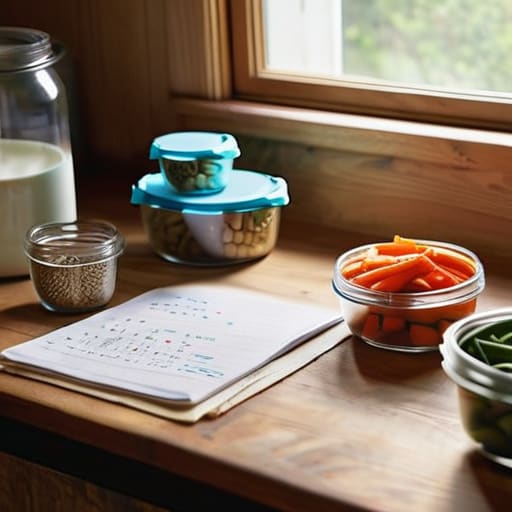
At the end of the day, meal prepping isn’t about having a fridge that looks like a Pinterest board or spending six hours on a Sunday afternoon meticulously chopping vegetables. It’s about the two things we talked about: ditching the expensive, unnecessary gear and actually having a plan before you even step foot in the grocery store. If you can just get your list sorted and find some decent containers—even if they aren’t matching—you’ve already won half the battle. The goal is to reduce the number of “what’s for dinner?” panic moments you have on a Tuesday night when you’re exhausted. Focus on building a system that serves you, rather than trying to serve a lifestyle that feels like a chore.
Please, give yourself some grace if your first attempt is a bit of a mess. Maybe you overbought ingredients, or maybe you ended up eating takeout anyway. That’s fine. The whole point of these small, repeatable systems is that they are meant to be adjusted as life happens. You don’t need to be perfect; you just need to be a little more prepared than you were last week. Start small, keep it functional, and remember that progress beats perfection every single time. You’ve got this.
Frequently Asked Questions
How much time should I actually be spending in the kitchen on a Sunday without burning out?
Look, if you’re spending five hours standing over a stove, you’re not meal prepping—you’re performing a marathon. That’s not sustainable. Aim for a ninety-minute window. Use that time to do the heavy lifting: chopping veggies, cooking one big grain, and prepping one protein. If it takes longer than two hours, you’re overcomplicating it. The goal is to make your Tuesday easier, not to turn your Sunday into a second full-time job.
What do I do if I hate eating the same thing four days in a row?
Look, I get it. The idea of eating “Chicken and Broccoli” for four straight lunches sounds like a slow descent into madness. You don’t need to prep five different recipes, though—that’s just a recipe for burnout and a mountain of dishes. Instead, try “component prepping.” Roast a big batch of veggies and one protein, then just swap the sauces or spices each day. It’s the same base, but it feels like a completely different meal.
Is it better to prep full meals or just prep individual ingredients to mix and match?
Honestly, it depends on how much brainpower you have left by Wednesday. If you’re exhausted, prepping full meals is a lifesaver—you just grab a container and go. But if you get bored easily, stick to “component prepping.” Roast some veggies, cook a big batch of grains, and prep a protein. It gives you the flexibility to mix and match so you don’t feel like you’re eating the exact same thing every single night.
How can I meal prep without spending a fortune on groceries every single week?
The secret isn’t finding a magic discount aisle; it’s about shopping your own pantry first. Before you even look at a grocery app, see what grains, cans, or frozen veggies are already hiding in the back of your cupboard. Build your meals around those “free” ingredients. Also, stop buying pre-cut stuff. You’re paying a massive markup for someone else to use a knife. Buy the whole head of broccoli; it’s cheaper and lasts longer.