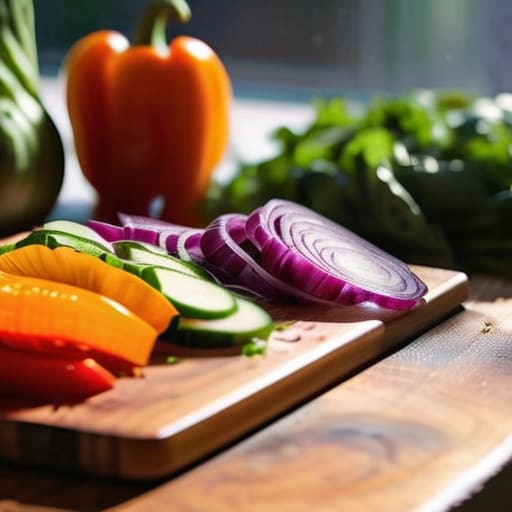
Efficient and Safe Ways to Prep Your Vegetables
I used to spend my Sunday afternoons surrounded by expensive glass containers and $80 mandolines, convinced that if I just bought the right gear, I’d finally become that person who eats a perfect salad every single day. But let’s be real: most of those “aesthetic” meal prep tutorials are just a recipe for burnout. I’d spend three hours meticulously dicing bell peppers only to find them turning into a soggy, sad mess by Tuesday because I followed a system that was way too complicated for my actual life. If you’re looking for a masterclass on how to prep vegetables using every gadget in the kitchen, you’re in the wrong place; I’m much more interested in what actually works when you’re running on four hours of sleep and a lukewarm coffee.
I’m not going to lecture you on professional knife skills or tell you that you need a dedicated pantry for your organic kale. Instead, I want to share the small, repeatable systems I’ve actually used to keep my fridge from becoming a graveyard of wilted greens. We’re going to focus on low-effort, high-impact ways to get your veggies ready so that eating well feels like a minor win rather than a second job.
Mastering Basic Knife Skills for Cooking Without the Stress
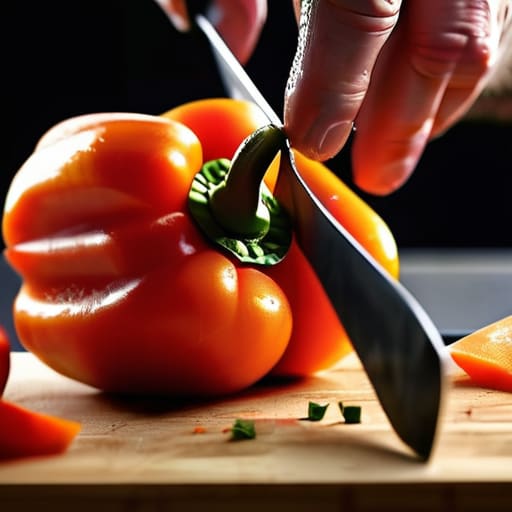
Look, I’m going to be real with you: you don’t need to go to a professional culinary school to handle a knife without feeling like you’re playing a dangerous game of Operation. Most of the time, the stress comes from using a dull blade or trying to force a fancy technique you saw on a cooking show. If you’re just starting with meal prep for beginners, the only thing you truly need to master is the “claw grip.” Tuck your fingertips in like you’re holding a small ball so your knuckles guide the blade instead of your actual skin. It’s a small, boring adjustment, but it’s the difference between a productive Sunday and a trip to the urgent care.
Once you feel a bit more confident, focus on consistency rather than speed. It doesn’t matter if your carrots aren’t perfectly uniform cubes; what matters is that they are roughly the same size so they actually cook at the same rate. Investing in one decent, sharp chef’s knife is one of the few essential kitchen tools for veggie prep that actually pays off. Don’t clutter your drawer with a dozen cheap sets; just get one good tool that feels comfortable in your hand. When you aren’t fighting your equipment, the whole process feels less like a chore and more like a rhythm.
Essential Kitchen Tools for Veggie Prep That Actually Matter
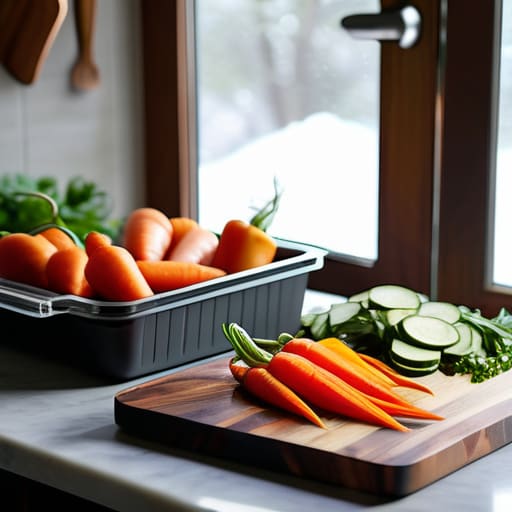
Look, you don’t need a drawer full of gadgets that promise to slice a carrot in three seconds flat only to gather dust in a kitchen cabinet. I’ve spent way too much money on “as seen on TV” tools in my twenties, and honestly, most of them are just more clutter to manage. When it comes to kitchen tools for veggie prep, I stick to the basics that actually survive a heavy work week. A decent, sharp chef’s knife is your non-negotiable, but I’d also suggest a solid, heavy-duty cutting board—ideally one that doesn’t slide around while you’re trying to work. If you’re just starting out with meal prep for beginners, a simple set of glass containers is far more useful than any specialized prep station.
Beyond the blades, let’s talk about the stuff that keeps your hard work from going to waste. If you’re spending an hour chopping, you don’t want to throw it all out by Wednesday. Invest in a few high-quality, airtight containers; they are absolute game-changers for keeping vegetables fresh longer. I’ve found that having a few different sizes helps me organize my fridge without it looking like a chaotic mess. It’s not about having the most expensive setup; it’s about having a few reliable pieces that actually make the process easier when you’re tired and just want to get dinner on the table.
Five ways to prep without losing your mind (or your Sunday)
- Stop trying to prep everything for the whole week. It’s a trap that leads to soggy lettuce and wasted money. Instead, just prep the “high-friction” stuff—the things that are annoying to do right before you eat, like peeling garlic or chopping onions.
- Use the “component method” rather than full meals. Instead of making five identical containers of chicken and broccoli, just chop a bunch of versatile veggies like bell peppers, carrots, and zucchini. You can toss them into a stir-fry on Tuesday, an omelet on Wednesday, or a sheet-pan roast on Thursday.
- Invest in a few decent-sized glass containers, but don’t obsess over matching sets. The goal is to keep your prepped stuff organized in the fridge so you can actually see it. If it’s buried in a plastic bag in the crisper drawer, it’s going to die, and so is your effort.
- Don’t be afraid of the “lazy prep.” If you’re having a week where even chopping a cucumber feels like a mountain, buy the pre-washed bagged spinach or the pre-cut mirepoix from the grocery store. It costs a little more, but it beats the $15 bag of wilted greens you threw away because you were too tired to prep them.
- Master the “dry prep” rule. When you wash your veggies, make sure they are bone-dry before they go into storage. If you put damp kale or sliced radishes into a container, they’ll turn into slime by tomorrow morning. Use a salad spinner or just lay them out on a paper towel for a minute first.
The low-stress approach to prepping
Stop trying to prep everything at once; just chop what you need for the next two days so you don’t get overwhelmed and end up ordering takeout.
Invest in a decent knife and a stable cutting board, but skip the expensive gadgets that just take up space in your tiny kitchen drawers.
Focus on “good enough” rather than “perfectly uniform”—the goal is to eat more greens, not to win a culinary competition.
The reality of meal prep
Stop trying to turn your Sunday afternoon into a professional chef’s bootcamp; if you just chop enough onions and peppers to last three days, you’ve already won the battle against takeout.
Nadia Halloway
Stop Overthinking the Prep
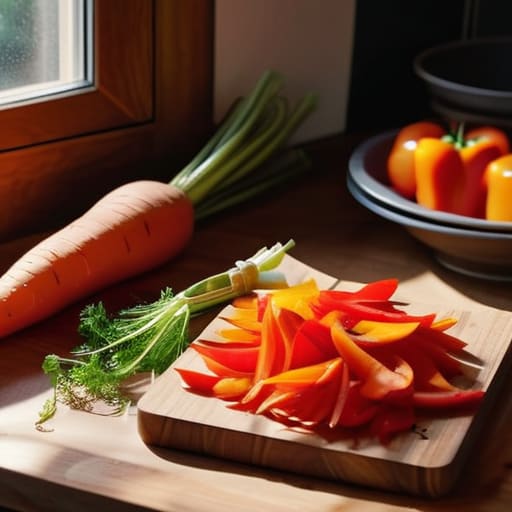
Look, at the end of the day, you don’t need a professional chef’s setup or a degree in culinary arts to make this work. We’ve talked about getting your knife skills down to a functional level and investing in the few tools that actually make a difference, but the real goal here is to remove the friction between you and a decent meal. Whether you’re chopping a handful of peppers on a Tuesday night or spending twenty minutes on a Sunday prepping a massive batch of carrots, the goal is to create a repeatable system that fits into your actual life, not some idealized version of it.
Please, just give yourself permission to be imperfect. Some weeks you’ll be a meal-prep wizard, and other weeks you’ll be eating a salad out of a container because you didn’t have the energy to even grab a cutting board. That is okay. Productivity in the kitchen isn’t about being flawless; it’s about making it just a little bit easier to choose something nutritious when things get chaotic. Focus on the small wins, keep your workspace tidy, and remember that done is always better than perfect. Now, go grab a snack—you’ve earned it.
Frequently Asked Questions
How do I keep my chopped veggies from getting slimy in the fridge?
The slime factor is the absolute worst—it’s basically wasted money at that point. Honestly, the secret isn’t a fancy gadget; it’s moisture control. If you’re prepping leafy greens or things like sliced cucumbers, grab some paper towels. Line your container with one, toss the veggies in, and top it with another. It absorbs that excess humidity that turns everything into a soggy mess. Also, keep your containers airtight. If it’s not sealed, it’s dying.
Is it actually worth it to prep everything on Sunday, or am I just setting myself up for wasted food?
Honestly? For most people, the “Sunday Reset” is a recipe for soggy lettuce and wasted money. If you chop everything at once, you’re fighting a losing battle against oxidation. Instead of a marathon session, try a “component” approach. Prep the hardy stuff—like carrots or bell peppers—that can last a few days, but leave the delicate greens for whenever you actually have the energy to chop them. Work with your life, not an Instagram aesthetic.
What are some easy ways to prep vegetables if I'm too exhausted to even pick up a knife?
Look, I get it. Some days, even holding a knife feels like a marathon. When I’m running on fumes, I lean on the “lazy” systems. Buy the pre-washed bagged salads or frozen veggie medleys—they aren’t “cheating,” they’re survival. You can also grab pre-chopped onions or mirepoix from the produce aisle. It costs a little more, but it beats ordering takeout because you’re too tired to chop a carrot. Just get the nutrients in.
Can I freeze prepped veggies without them turning into a mushy mess?
The short answer is yes, but you have to skip the “just toss them in a bag” method. If you freeze raw veggies, they’ll definitely turn into mush once they thaw. My rule of thumb? Blanch them first. Give them a quick 2-minute boil, then an ice bath to stop the cooking. It feels like an extra step when you’re tired, but it’s the only way to keep that texture intact for later.