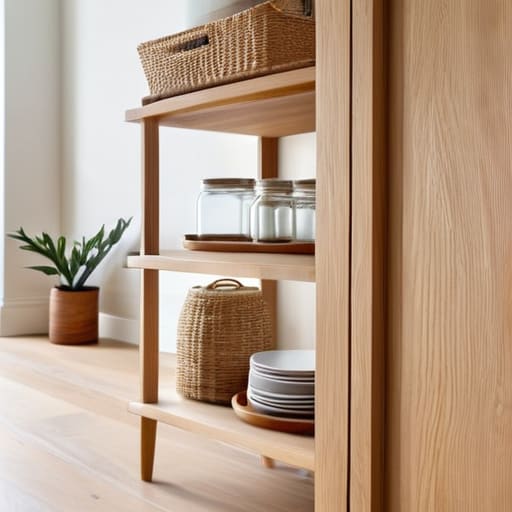
Smart Storage Hacks for Maximizing Small Spaces
I’m so tired of seeing those “organization porn” videos where people spend three hundred dollars on matching acrylic bins just to organize a single junk drawer. It’s performative, it’s expensive, and quite frankly, it’s a lie. If your system requires you to be a minimalist saint with a pristine lifestyle just to keep things tidy, it’s a bad system. I grew up in a tiny apartment where space was a luxury we couldn’t afford, so I learned early on that effective diy storage solutions aren’t about looking like a showroom; they’re about making sure you don’t trip over your own life.
I’m not going to suggest you buy a custom-built shelving unit or spend your entire weekend color-coding your spice rack. Instead, I want to share the actual ways I use repurposed items and simple hacks to reclaim my space without breaking the bank. We’re going to focus on small, repeatable systems that work even when your house feels like a disaster zone. Let’s get into the stuff that actually moves the needle.
Budget Friendly Organization Projects for Real Life
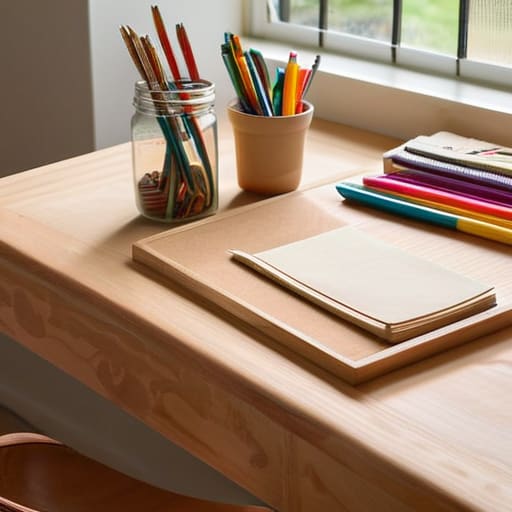
Look, I know the temptation to head straight to a big-box retailer and buy a matching set of expensive acrylic bins is real. It looks great in photos, but it’s a fast track to a wasted paycheck. Instead, I want you to look at what you already have. Some of my favorite repurposed container ideas come from my pantry or recycling bin. An old glass jar from a pasta sauce? That’s a perfect holder for pens on a desk or even loose change. Even sturdy cardboard boxes can be transformed into drawer dividers if you just wrap them in some leftover scrap fabric or even contact paper. It’s not about being “perfectly coordinated”; it’s about creating a home for your stuff so it doesn’t end up in a heap on the floor.
If you’re dealing with a cramped living situation, stop thinking horizontally and start looking up. One of my go-to small apartment storage hacks is utilizing the space above your door frames or the empty gaps between your fridge and the wall. You can use tension rods or simple floating shelves to reclaim that dead air. These little shifts might feel insignificant, but they are the small, repeatable systems that actually keep a tiny space from feeling like it’s closing in on you.
Repurposed Container Ideas for Your Messiest Corners
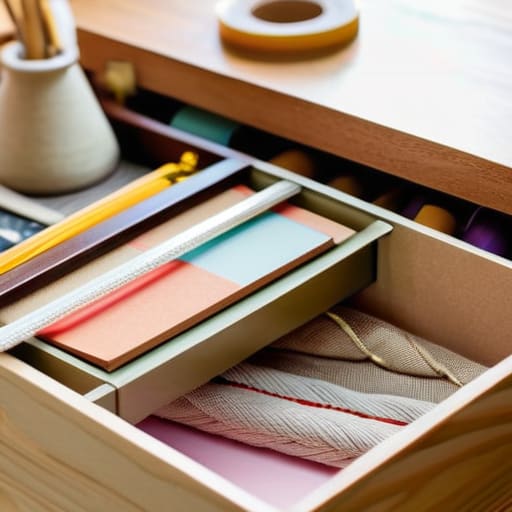
If you’re like me, you probably have a “junk drawer” that has slowly mutated into a “junk corner.” Instead of running to a big-box retailer to buy a set of matching, expensive acrylic bins, look at what’s already in your recycling bin. I’ve found that sturdy cardboard boxes—the kind from your latest online shopping haul—are absolute gold mines. If you cut the tops off and wrap them in some leftover contact paper or even just a bit of fabric, they become decent repurposed container ideas for organizing cables, craft supplies, or even loose stationery in a desk drawer. It’s not about making it look like a showroom; it’s about actually seeing what you own so you stop buying duplicates.
For those awkward gaps between your furniture and the wall, stop ignoring them. I’m a huge fan of using old wooden crates or even sturdy shoeboxes to create some makeshift vertical storage techniques. If you stack them securely, you can turn a dead corner into a mini-library or a spot for your extra linens. These kinds of small apartment storage hacks work because they don’t require a drill or a permanent commitment. They’re modular, they’re free, and most importantly, they actually fit into the chaotic reality of a lived-in home.
My Unfiltered Rules for DIY Storage That Actually Lasts
- Stop buying matching bins. I know, the “all-white aesthetic” looks great on Instagram, but it’s a trap. If you buy a set of expensive, uniform containers, you’ll be stressed the second one breaks or you need a different size. Mix and match whatever you have, just try to keep them in the same color family if it helps your brain feel less cluttered.
- Measure twice, buy once, and then measure again. There is nothing more soul-crushing than spending a Saturday afternoon DIY-ing a shelf system only to realize it’s two inches too wide for the nook. Use blue painter’s tape to “draw” the dimensions on your wall or floor before you commit to any hardware.
- Focus on “prime real estate” first. Don’t waste your energy organizing the top shelf of a closet you only access once a year. Tackle the stuff you touch every single day—keys, mail, charging cables, or the junk drawer—and build your systems around those high-traffic zones.
- If it doesn’t have a “home,” it’s just clutter with a fancy label. Before you go out and buy hooks or baskets, look at your stuff. If you don’t have a specific, designated spot for an item to live, a new container won’t fix the mess; it’ll just be a prettier place to hide the chaos.
- Build for the version of you that is tired. We often design systems for our “best selves”—the version of us that has time to color-code everything. Instead, build for your “messy self.” If you’re someone who tends to toss mail on the counter, don’t get a tiny, delicate tray; get a sturdy, open basket that makes it easy to just drop things in.
The Bottom Line: Systems Over Aesthetics
Stop waiting for the “perfect” matching container set to arrive in the mail; use what you have right now to stop the clutter from spreading.
Focus on grouping like-items together in whatever vessel works, because a system you actually use is better than a pretty one that sits empty.
Always prioritize accessibility over looks—if you have to dig through a beautiful box to find your keys, the system has failed.
The Real Goal of Organizing
Stop trying to build a museum in your pantry. The point of DIY storage isn’t to make your home look like a staged photo shoot; it’s to create a system that actually survives a Tuesday when you’re tired, caffeinated, and just trying to find the pasta without moving ten other things first.
Nadia Halloway
Stop Waiting for the Perfect Setup
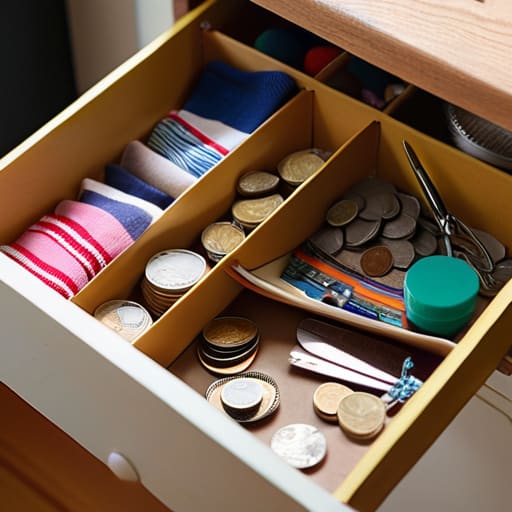
At the end of the day, whether you’re repurposing old shoe boxes for your junk drawer or setting up a makeshift shelving unit from thrifted finds, the goal isn’t to win an interior design award. It’s about reclaiming your space so you aren’t constantly fighting against the clutter just to find your keys or a clean pair of socks. We’ve covered how to work with what you already have and how to keep things functional without breaking the bank. Remember, a system only works if it actually fits into your daily chaos, not if it looks pretty in a static photo. Focus on small, repeatable wins rather than trying to overhaul your entire home in a single weekend.
If you’re feeling overwhelmed by the mess, just start with one corner. Pick one drawer, one shelf, or even just one bin and make it work for you. You don’t need a massive budget or a degree in organizational psychology to make your life run a little smoother; you just need to stop overthinking it. Real organization is messy, it’s imperfect, and it evolves as your life changes. So, grab those containers, clear a little bit of breathing room, and just start where you are. You’ve got this.
Frequently Asked Questions
How do I know which items are actually worth keeping versus what’s just taking up space?
Look, I used to hold onto everything “just in case,” but that’s how you end up living in a storage unit instead of a home. Here’s my rule: if you haven’t touched it in a year, and it doesn’t serve a vital function or bring you genuine, non-guilty joy, it’s gotta go. Don’t let “potential” clutter your life. If it’s just taking up mental and physical space, it’s not an asset; it’s a burden.
Will these DIY setups actually hold up, or are they going to fall apart in a month?
Look, I get the skepticism. I’ve definitely spent way too much money on “aesthetic” organizers that crumbled the second I put a heavy textbook in them. The secret isn’t magic; it’s just knowing your materials. If you’re using cardboard, reinforce the bottom with extra tape. If you’re using repurposed bins, make sure they’re heavy-duty plastic, not that flimsy stuff. If it feels flimsy now, it won’t survive your actual life. Build for utility, not just looks.
What should I do if my space is too small for even basic bins and containers?
If you’ve reached the point where even a plastic bin feels like it’s taking up too much real estate, stop looking at the floor. You have to start looking at the walls. When square footage is non-existent, verticality is your best friend. Think command hooks for everything, over-the-door organizers, or even a simple tension rod in a nook. If it can hang, it shouldn’t be sitting on a surface. Get it off the ground.
How do I stop myself from just buying more stuff once everything is finally organized?
The truth? Organization is just a temporary fix if you don’t address the inflow. I call it the “one-in, one-out” rule, and it’s my saving grace. Before you click ‘buy’ on that cute new organizer or a trendy gadget, ask yourself: What am I actually replacing? If you don’t have a specific item to remove to make room for the new one, leave it in the cart. Stop organizing clutter; start limiting it.