Secrets to Cooking Pasta the Authentic Italian Way
I’m so tired of seeing those “aesthetic” cooking videos where people spend forty dollars on artisanal flour and a specialized pasta extruder just to feel something. Honestly, if you think you need a kitchen full of expensive gadgets to figure out how to cook pasta perfectly, you’ve been lied to by the internet. I grew up in a tiny apartment where my “kitchen” was basically a hot plate and a dream, and I learned very quickly that fancy tools don’t make up for a lack of a solid system. You don’t need a culinary degree or a designer stovetop; you just need to stop overcomplicating a process that should be easy even when your brain is fried after a ten-hour workday.
I’m not here to give you a lecture on Italian history or suggest you buy imported bronze-die pasta that costs more than my monthly internet bill. Instead, I’m going to give you the no-nonsense blueprint for getting that perfect al dente texture every single time, using stuff you already have in your pantry. We’re focusing on the small, repeatable habits that actually work when life gets messy and you’re too tired to be a gourmet chef. Let’s get into it.
Why Boiling Water for Pasta Is Your Only Real Tool
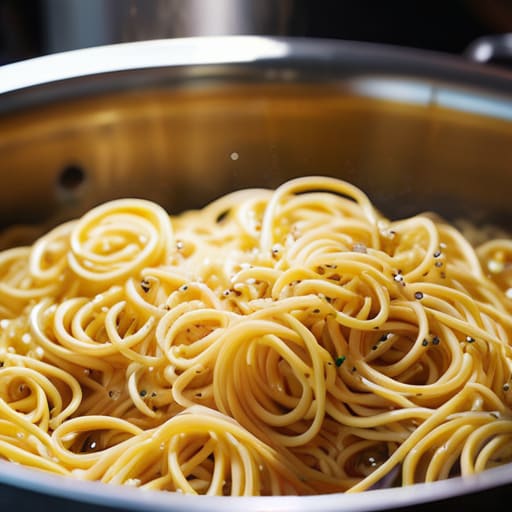
Look, I know the internet loves to push these high-tech pasta thermometers or specialized gadgets that promise “chef-level” results, but honestly? It’s mostly just clutter. When you’re staring at a pile of mail and a messy kitchen after a long workday, you don’t need more gear; you just need a big pot and a plan. The real magic happens in the physics of the pot itself. Boiling water for pasta is the only heavy lifter you actually need to master. It provides the consistent, high-energy environment required to hydrate the noodles without them turning into a gummy, unappealing heap.
The secret isn’t in the hardware, though—it’s in the chemistry. Most people treat the water like a background player, but it’s actually where the flavor is born. Salting pasta water correctly is the single most important step because once that pasta is drained, you’ve lost your only chance to season the actual noodle. If you skip this, you’re just eating bland starch covered in sauce. Plus, that cloudy, starchy liquid left behind is pure gold; using pasta water in sauces is how you get that silky, restaurant-quality emulsion that actually clings to the noodles instead of pooling at the bottom of the bowl.
Salting Pasta Water Correctly Without Overthinking It
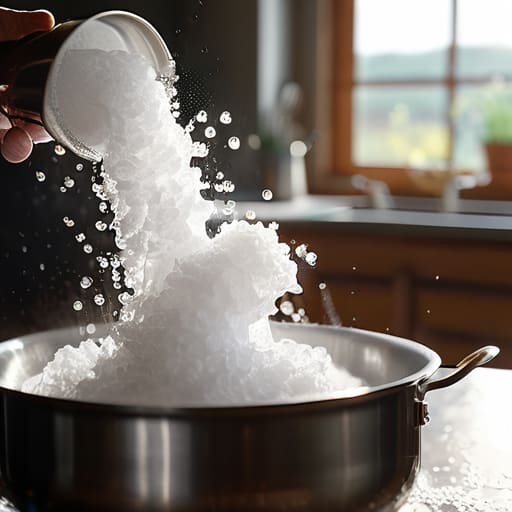
Look, I know the internet loves to turn everything into a science experiment, but you don’t need a kitchen scale to get this right. When it comes to salting pasta water correctly, the golden rule is simple: it should taste like the sea. If your water tastes bland, your pasta will taste bland, and no amount of expensive parmesan can fix a flavorless noodle. I used to stress about exact gram measurements, but honestly, once you get the feel for it, you’ll just know. Just grab a handful of kosher salt and toss it in once that water hits a rolling boil.
The real reason we do this isn’t just for flavor, though; it’s about the chemistry of the noodle itself. As the pasta cooks, it releases starch into that salty environment, and that pasta starch importance cannot be overstated. That cloudy, salty liquid is liquid gold. Instead of dumping it all down the drain like I used to, save a mugful. Using pasta water in sauces is the single most effective way to bridge the gap between a dry, clumpy mess and a silky, restaurant-quality meal. It acts as a natural emulsifier that helps the sauce actually cling to the pasta rather than sliding off to the bottom of the bowl.
Five ways to stop treating pasta like an afterthought
- Stop draining the whole pot into the sink. That starchy, cloudy water is liquid gold; save a mug of it before you dump the rest so you can use it to fix your sauce later.
- Don’t let the pasta sit in a colander. As soon as it’s done, move it straight into the sauce. If it sits in a strainer, it gets gummy and loses that silky texture we’re actually after.
- Treat the sauce like a partner, not a topping. Instead of dumping plain noodles on a plate and ladling sauce on top, toss them together in the pan for a minute so the flavors actually bond.
- Test for doneness two minutes before the box says so. Every stove is different, and by the time you’ve finished reading the instructions, you’ve probably already overcooked it.
- Ditch the oil. I know people say it stops sticking, but it actually just coats the noodles in a greasy film that prevents the sauce from sticking to them. Just use enough water and keep things moving.
The "no-fuss" pasta cheat sheet
Stop hunting for fancy thermometers; just wait for a rolling boil and trust that if the water is bubbling hard, you’re on the right track.
Don’t be afraid of the salt—it should taste like the ocean, because that’s the only chance you have to season the pasta from the inside out.
Always save a splash of that starchy cooking water before draining; it’s the secret weapon for making your sauce actually stick to the noodles instead of sliding off.
## Forget the fancy kitchen gadgets
“You don’t need a high-tech thermometer or a chef’s degree to get great pasta; you just need a big pot of salty water and a system that doesn’t fall apart when you’re too tired to follow a recipe.”
Nadia Halloway
Stop overcomplicating your dinner
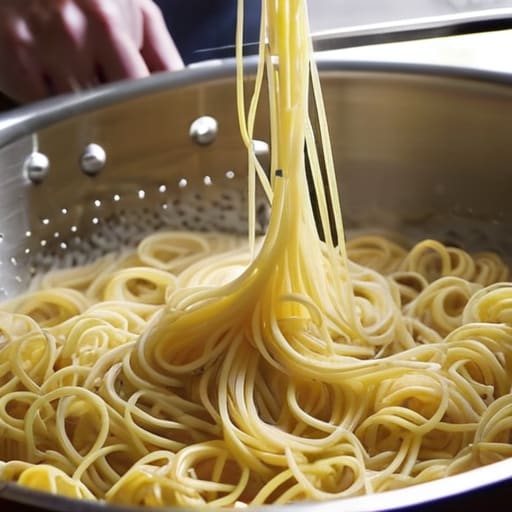
At the end of the day, cooking great pasta isn’t about owning a $500 pasta maker or following a recipe that requires twelve different spices. It really just comes down to the basics we talked about: getting that water to a rolling boil, not being stingy with the salt, and actually paying attention to the texture before you drain it. Once you stop chasing the “perfect” culinary technique and start focusing on these small, repeatable steps, you’ll realize that you don’t need a gourmet kitchen to eat well. You just need a system that works even when you’re exhausted after a long workday.
I know it’s tempting to think that better food requires more effort, but I promise you, it’s actually the opposite. The best meals are usually the ones that feel effortless because you’ve mastered the simple stuff. Don’t let the pressure of “aesthetic cooking” intimidate you into ordering takeout every single night. Grab your pot, salt your water, and just start cooking. You’ll find that once you strip away the unnecessary fluff, you’re left with something much better: a delicious, reliable meal that actually fuels your life without draining your energy.
Frequently Asked Questions
Do I really need to save some of that starchy pasta water for the sauce, or is that just another "aesthetic" tip?
It’s not just for the ‘gram, I promise. It’s actually a functional hack. That starchy water is basically liquid gold for emulsifying. When your sauce looks a little separated or too thick, a splash of that water acts as a bridge, helping the fats and liquids bind together. It turns a clumpy mess into a silky sauce that actually clings to the noodles. It’s a small, repeatable step that makes a massive difference.
How can I tell if the pasta is actually al dente without constantly tasting it every thirty seconds?
Look, I get it. Standing over a steaming pot, tasting noodles every thirty seconds is a recipe for sensory overload. Here’s my system: start checking the texture about two minutes before the box says it’s done. Pull a piece out, drop it into a bit of cool water, and bite. You’re looking for a tiny, slightly firm white speck in the center. If you see that, it’s ready to hit the sauce.
Is it a total disaster if I accidentally overcook it by a minute or two?
Honestly? No, it’s not a total disaster. If you’re a perfectionist, it feels like a failure, but in a real kitchen, a minute or two extra just means you’ve moved from al dente to soft. If it’s slightly mushy, just don’t toss it in a heavy, chunky sauce that requires bite. Use a lighter, oil-based sauce or even just some butter and parmesan. It’s still edible, still delicious, and still better than ordering takeout.
Should I be rinsing the pasta under cold water after draining it, or does that just ruin the whole point?
Don’t do it. Unless you’re making a cold pasta salad, rinsing is a total mistake. That starchy water clinging to the noodles is actually your secret weapon; it’s what helps the sauce grab onto the pasta instead of just sliding off to the bottom of the bowl. If you rinse it, you’re essentially washing away the glue that makes the meal actually taste good. Keep that starch, keep the flavor.