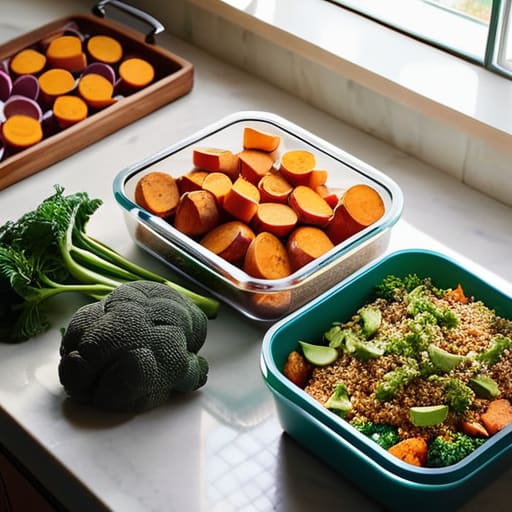
Smart Meal Prep Strategies for Eating Better All Week
I used to think meal prepping meant spending my entire Sunday afternoon hunched over a kitchen island, surrounded by a mountain of identical plastic containers and enough kale to feed a small village. It was exhausting, expensive, and—honestly—completely unsustainable. I’d go all in for one week, only to abandon the whole system by Wednesday because I was too tired to even look at a cutting board. We’ve been sold this lie that healthy meal prep ideas have to look like a Pinterest board to be effective, but real life is usually much more unpredictable and messy than that.
I’m over the performative productivity; I just want to eat something that doesn’t make me feel like garbage when I’m mid-workflow. In this post, I’m breaking down seven low-stakes strategies that actually fit into a chaotic schedule without requiring a culinary degree or a massive grocery budget. These aren’t about perfection; they are about building small, repeatable systems that keep you fed and focused. Let’s dive into some realistic ways to reclaim your time and your nutrition, one simple step at a time.
The "Component" Method
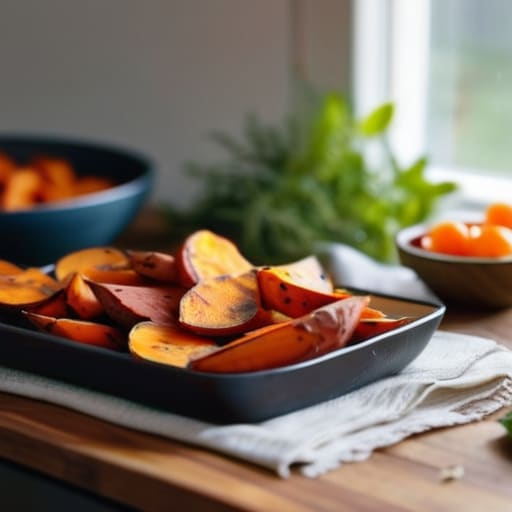
I used to think meal prepping meant spending my entire Sunday assembly-lining identical Tupperware containers filled with the exact same chicken and broccoli. Honestly? That sounds miserable. Instead, I started prepping components—think of it like building blocks for your meals. I’ll roast a big tray of sweet potatoes, cook a batch of quinoa, and grill some seasoned protein all at once.
Sheet Pan Shortcuts
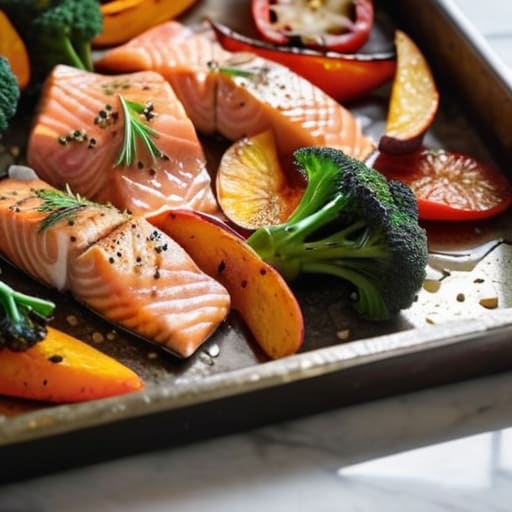
If you’re like me and your kitchen feels a little cramped, you probably don’t want a mountain of pots and pans cluttering up your sink. Sheet pan meals are my absolute lifeline when I’m running on low caffeine and high stress. You just toss your veggies and protein onto a single tray, drizzle some olive oil and spices, and let the oven do the heavy lifting.
The Power of the "Base" Sauce
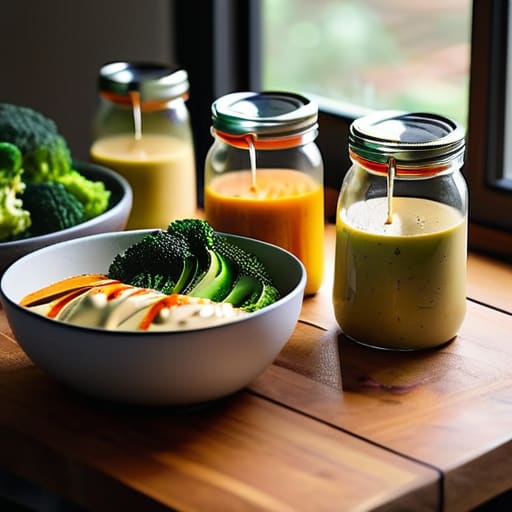
One of the biggest reasons people quit healthy eating is because the food gets boring. We’ve all been there—staring at a bowl of plain rice and steamed veg, wondering where our lives went wrong. My fix for this is keeping two or three high-quality, homemade sauces in the fridge at all times. A good tahini dressing or a spicy peanut sauce can transform the same basic ingredients into something that feels entirely new.
Batch-Cooked Grains and Legumes
I treat grains and legumes like the foundation of my pantry. Every time I make rice, farro, or lentils, I make double or even triple the amount. These items are incredibly shelf-stable in the fridge and act as the perfect low-cost filler to keep you full. They are much cheaper than buying pre-packaged microwave pouches, and they taste significantly better.
Freezer-Friendly Soup Packs
There is nothing quite as demoralizing as coming home after a long day and realizing you have nothing edible in the house. This is where my “soup pack” system comes in. I take a big bag of frozen vegetables and some pre-chopped aromatics like onions and garlic, and I portion them out into individual freezer bags.
Protein Prep Without the Stress
I used to get overwhelmed by the idea of prepping meat because I was terrified of it going bad or getting that “reheated” taste. Now, I focus on prepping protein in ways that hold up well. Hard-boiled eggs are a classic for a reason—they are the ultimate grab-and-go fuel for breakfast or a snack. I usually prep a half-dozen at the start of the week and keep them in their shells.
The "No-Cook" Salad Hack
Let’s be real: sometimes, even the idea of turning on the stove feels like too much. On those days, I rely on my “no-cook” salad method. I keep a stash of hearty, sturdy vegetables in the crisper drawer—think shredded carrots, cucumbers, cabbage, and radishes. These don’t wilt as fast as delicate lettuce, making them much more forgiving for a busy week.
The Bottom Line
Forget the “all or nothing” mindset; prepping one single component, like a jar of sauce or a batch of grains, is infinitely better than failing at a massive Sunday marathon.
Build your systems around your actual energy levels, not some idealized version of yourself that has endless time and perfect willpower.
If a meal prep method feels like a chore, scrap it. The best system is the one you actually show up for when you’re tired and staring at an empty fridge.
The Real Goal of Meal Prep
“Meal prep shouldn’t feel like a second job or a performance for your Instagram feed. It’s not about perfectly color-coded Tupperware; it’s about building a tiny bit of margin so that when Tuesday hits and you’re running on fumes, you aren’t forced to choose between a takeout bill and a hungry stomach.”
Nadia Halloway
Low-Stakes Wins
Look, we’ve covered a lot of ground here, from the “assembly line” method to the simplicity of just keeping better staples on hand. The goal isn’t to turn your kitchen into a professional test kitchen or to spend your entire Sunday staring at a mountain of Tupperware. Whether you’re batch-cooking a single versatile protein or just getting better at pre-chopping your veggies so they’re ready when you are, the objective is the same: reducing the number of decisions you have to make when you’re tired and hungry. It’s about building a system that actually survives a Tuesday night when you’re exhausted and just want to crawl onto the couch.
At the end of the day, please don’t let the pursuit of a “perfect” meal prep routine become just another chore on your overflowing to-do list. If you only manage to prep one thing this week, that is still a win. Productivity in the kitchen isn’t about perfection; it’s about making your future self a little bit easier to deal with. Life is messy, and your food systems should be flexible enough to handle that mess. Just pick one thing from this list, try it out, and see if it makes your week feel even a tiny bit more manageable. You’ve got this.
Frequently Asked Questions
I don't have three hours on a Sunday—is there a way to do this in smaller chunks throughout the week?
Honestly, the “Sunday Scaries” meal prep is a trap. If you try to do it all at once, you’ll burn out by Tuesday. Instead, try “micro-prepping.” Spend ten minutes while your coffee brews chopping one onion, or roast a tray of veggies while you’re waiting for laundry to dry. It’s about building small, repeatable habits that fit into the cracks of your day rather than trying to carve out a massive, unsustainable block of time.
How do I keep my food from tasting like sad, soggy leftovers by Wednesday?
The secret is deconstructing your meals. Stop putting everything in one big Tupperware bowl on Sunday. If you mix your sauce, grains, and greens early, the greens turn into mush by Wednesday. Instead, keep your components separate. Store your proteins, grains, and dressings in individual containers. When you’re actually ready to eat, assemble it fresh. It takes an extra thirty seconds, but it’s the difference between a real meal and sad, soggy leftovers.
Do I really need to buy all those expensive glass containers to make this actually work?
Short answer? Absolutely not. Please, for the love of all things practical, do not let “aesthetic” influencers convince you that you need a $100 set of glass containers to be a functional human. If you have old Tupperware, use it. If you have mismatched plastic bins from a thrift store, use those. The goal is to have food ready to eat, not a Pinterest-perfect pantry. Start with what you have; the containers don’t do the prep, you do.
What do I do when my "system" falls apart because a workday ran late or I just wasn't feeling it?
Look, I’ve been there. It’s 8:00 PM, you’re exhausted, and the thought of chopping onions feels like climbing Everest. When the system breaks, don’t try to force the original plan. Just pivot to “survival mode.” Grab a rotisserie chicken, a bag of pre-washed greens, and some microwave rice. It’s not “perfect,” but it’s fuel. The goal isn’t to follow the system flawlessly; it’s to keep the momentum alive without burning out.