Smart Kitchen Hacks to Speed Up Your Cooking
I am so tired of seeing those “aesthetic” kitchen organization videos where people spend three hours color-coding their spice jars only to realize they can’t actually find the cumin when they’re mid-recipe. Honestly, most of the viral kitchen tips and tricks you see online are just expensive ways to make your pantry look pretty for a thirty-second clip, but they completely fall apart the second you actually have to cook a real meal. I grew up in a tiny apartment where every square inch of counter space was a battleground, and I learned the hard way that a perfectly curated shelf doesn’t mean anything if your workflow is a total disaster.
I’m not here to tell you to go out and buy a twelve-piece professional knife set or a specialized gadget for every single vegetable. Instead, I want to share the small, repeatable systems I’ve built to keep my kitchen running when life gets messy and my schedule gets tight. We’re going to focus on functional efficiency—the kind of stuff that actually saves you time and sanity, rather than just cluttering up your cabinets with more stuff you don’t need.
Small Systems for Better Meal Prep Efficiency
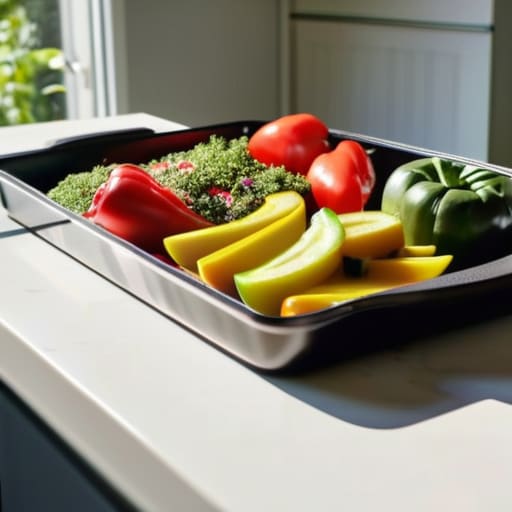
Most people think meal prepping means spending your entire Sunday afternoon in a frantic, flour-dusted battle with five different recipes. That’s not a system; that’s a chore. I’ve learned the hard way that true meal prep efficiency comes from working in small, repeatable loops rather than one giant, exhausting marathon. Instead of trying to cook ten different meals, I focus on “component prepping.” I’ll roast a massive tray of veggies, boil a pot of grains, and prep one versatile protein. This way, you aren’t stuck eating the exact same Tupperware meal five days in a row, but you also aren’t starting from scratch every single night.
The real secret to keeping this sustainable is how you handle your workspace. If your counters are cluttered with gadgets you rarely use, you’ll subconsciously avoid cooking altogether. I’m a big believer in using smart food storage solutions—like clear, stackable glass containers—so you can actually see what you have. If it’s tucked away in an opaque plastic bin in the back of the fridge, it’s going to die there. When your ingredients are visible and your prep area is clear, you’re much more likely to actually follow through on the plan you made.
Smart Food Storage Solutions That Actually Work
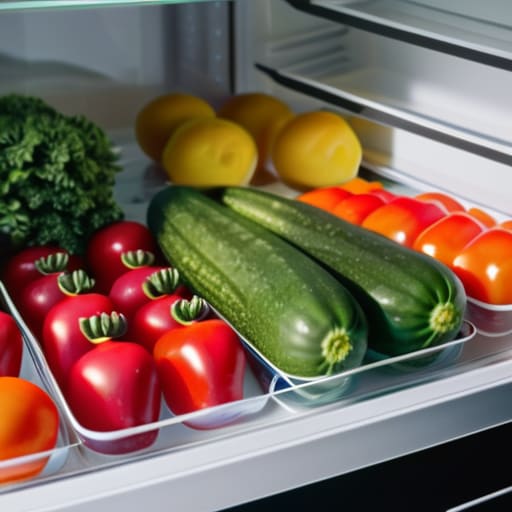
Look, I’ve spent way too much money on those matching, aesthetic glass sets that look great on Instagram but are a nightmare to actually use. If you’re like me and your fridge looks like a chaotic game of Tetris by Wednesday, you don’t need a complete overhaul; you just need better food storage solutions that fit your actual life. I’ve found that investing in a few high-quality, airtight containers—the kind that actually stack without wobbling—is a total game-changer. It keeps things fresh longer and stops that “mystery Tupperware” smell from taking over your entire fridge.
Instead of trying to organize everything at once, try a “zone” approach. Dedicate one specific bin for pre-cut veggies and another for proteins. This simple bit of kitchen organization ideas in practice means you aren’t digging through half-empty jars just to find a snack. It turns the fridge from a cluttered mess into a visual menu. If you can see exactly what you have, you’re far less likely to let expensive produce wilt in the back corner. It’s not about being perfect; it’s just about making the good stuff easy to find when you’re tired and hungry.
Five low-effort tweaks to stop your kitchen from feeling like a battlefield
- Stop the “junk drawer” cycle by creating a dedicated landing zone for mail and loose change right by the door. If it doesn’t belong in the kitchen, it shouldn’t even make it past the counter.
- Group your tools by how you actually use them, not how they look in a magazine. Keep your oils, salt, and most-used spices right next to the stove so you aren’t playing scavenger hunt every time you need to season something.
- Use the “one-in, one-out” rule for your gadgets. If you buy a new air fryer, that old, bulky bread maker that’s been gathering dust for two years has to go. Your counter space is too precious to waste on things you don’t use weekly.
- Clean as you go—and I mean actually do it. While the pasta is boiling or the meat is searing, wash the prep bowls and cutting boards. It’s much less soul-crushing to face three bowls in the sink than a mountain of dishes after you’ve already eaten.
- Invest in a few decent, heavy-bottomed pans rather than a massive, cheap 20-piece set. You really only need one good skillet, one pot, and maybe a baking sheet. Quality over quantity saves money and keeps your cabinets from overflowing.
The bottom line for a functional kitchen
Stop chasing the “perfect” meal prep; just focus on one or two repeatable systems that actually save you time during a Tuesday night meltdown.
Invest in decent storage that you’ll actually use, rather than buying a dozen matching glass containers that just end up cluttering your cabinets.
Keep your workflow simple—if a kitchen hack feels like a chore to maintain, it’s not a system, it’s just more work.
## The real secret to a functional kitchen
Stop trying to build a Pinterest-perfect pantry and start building a kitchen that actually works when you’re exhausted, running late, and just need to get dinner on the table without a meltdown.
Nadia Halloway
Making it stick
At the end of the day, a functional kitchen isn’t about having a Pinterest-perfect pantry or a suite of expensive gadgets you’ll only use once. It’s about the small, boring stuff—like having a decent prep station ready to go or knowing exactly which container your leftovers belong in so you aren’t playing Tetris with your fridge every Tuesday night. When you stop chasing the “aesthetic” and start focusing on small, repeatable systems, you stop fighting against your environment and start working with it. It’s about reducing the friction between being hungry and actually eating something decent.
Look, I know some days the dishes are going to pile up and your meal prep is going to be a total disaster. That’s okay. The goal isn’t to be a professional chef or a master of organization; it’s just to make sure your kitchen doesn’t become a source of stress when life gets loud. Don’t try to overhaul everything at once. Just pick one thing—maybe it’s just organizing your spices or finally clearing that one junk drawer—and start there. Build your own rhythm at your own pace, and remember that progress is always better than perfection.
Frequently Asked Questions
How do I manage meal prepping when I actually hate cooking every single day?
Look, I get it. The idea of spending four hours on a Sunday playing sous-chef sounds miserable when you’d rather be doing literally anything else. Stop trying to cook full recipes. Instead, just prep “components.” Roast a massive tray of veggies, boil a pot of grains, and cook two proteins. When Tuesday rolls around and you’re exhausted, you aren’t “cooking”—you’re just assembling. It’s low-effort, low-stress, and actually sustainable.
What are some realistic ways to organize a tiny kitchen without buying a bunch of expensive organizers?
Look, you don’t need a $50 acrylic bin from a big-box store to make a tiny kitchen functional. I learned that the hard way growing up. Instead, look up. If your counters are crowded, install a few simple floating shelves or even just a command hook for your oven mitts. Use tension rods under the sink to hang spray bottles, and repurpose old shoeboxes or mason jars for pantry staples. It’s about using the space you already have.
How can I stop wasting money on groceries that just end up rotting in the back of the fridge?
The “shop your pantry” rule is my absolute lifesaver. Before you even touch a grocery app, spend ten minutes looking at what you already have. Usually, there’s a half-bag of lentils or some frozen spinach that can be a meal. Also, stop buying in bulk just because it’s “cheaper.” If that giant bag of kale ends up in the compost, you didn’t save money—you just paid for trash. Buy what you’ll actually eat.
Is it worth investing in better quality tools, or should I just stick to the basics I already have?
Look, I get the temptation to go buy that professional-grade chef’s knife or the high-end blender, but honestly? Don’t do it yet. If your current tools are working, stick with them. I’d much rather you spend that money on better ingredients or a decent slow cooker that actually fits your routine. Only upgrade when a tool becomes a genuine friction point—like when a dull knife makes meal prep feel like a chore rather than a system.