
Setting Up an Evening Routine for a Better Morning
I am so tired of seeing those curated, aesthetic “nightly rituals” on my feed—you know the ones, where someone spends two hours lighting expensive candles, doing a twelve-step skincare routine, and drinking moon-charged tea in a perfectly minimalist bedroom. Honestly, if you’ve had a grueling day of back-to-back meetings or you’re just trying to figure out how to fix that wobbly thrifted chair in your living room, the idea of a high-maintenance evening routine feels less like “self-care” and more like another item on your to-do list. We don’t need more performative wellness; we need something that actually works when we’re too exhausted to think.
I’m not here to sell you on a lifestyle of perfection or a suite of expensive gadgets you’ll use exactly once. Instead, I want to share the low-stakes systems I’ve built over the years to help me transition from “work mode” to “rest mode” without the burnout. We’re going to focus on a few tiny, repeatable habits that actually move the needle, even on the days when your life feels a little bit messy. Let’s get into what actually helps you reset.
Building Small Repeatable Sleep Hygiene Tips
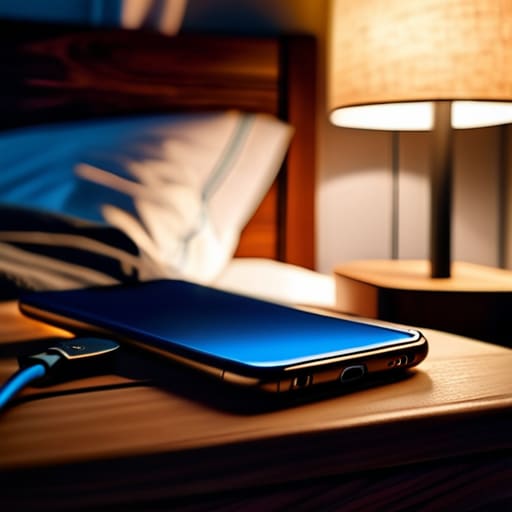
Look, I know the internet loves to sell us these elaborate, thirty-minute meditation journeys or expensive silk eye masks, but most of that is just noise. If you’re trying to improve sleep quality, you don’t need a complete life overhaul; you just need a few low-friction habits that don’t feel like more work. For me, that means ditching the idea of a “perfect” ritual and focusing on a simple digital detox before bed. Instead of scrolling through news feeds or emails until my eyes burn, I try to plug my phone in across the room at least twenty minutes before I actually want to be unconscious. It’s not about being a monk; it’s about reducing the sensory input that keeps your brain wired.
Once the screen is away, I lean into a couple of relaxing bedtime activities that actually feel restorative rather than performative. I might spend ten minutes tidying up the kitchen counters—because a messy space makes a messy mind—or just jotting down a quick “brain dump” list for tomorrow so I’m not mentally rehearsing my to-do list at 2:00 AM. The goal isn’t to achieve some zen-like state; it’s to create a predictable bridge between the chaos of your day and actual rest. Pick one or two tiny things, and let those be your baseline.
Why Grand Gestures Fail Your Sleep Quality

We’ve all been there: you watch a beautifully lit YouTube video about a “perfect” night routine involving expensive silk eye masks, lavender-scented everything, and a 90-minute meditation session. It looks incredible on camera, but in reality? It’s exhausting. When we try to overhaul our entire life overnight with these massive, sweeping changes, we set ourselves up for failure. The moment you have a stressful Tuesday or a late work call, that elaborate ritual falls apart, and then you feel like you’ve failed at “self-care” all over again.
The problem is that these grand gestures require a level of willpower that most of us simply don’t have at 10:00 PM. Most of us aren’t looking for a spiritual awakening before bed; we’re just trying to turn our brains off. Instead of chasing a lifestyle of perfection, we should be looking for low-friction habits. Instead of a full-blown digital detox before bed that feels like a punishment, maybe it’s just putting your phone in a drawer across the room. When we stop trying to perform a ritual and start focusing on improving sleep quality through tiny, manageable shifts, we actually build something that lasts.
Low-Stakes Wins: 5 Ways to Actually Wind Down
- The “One-Task” Reset. Don’t try to deep-clean your whole kitchen at 9 PM. Just pick one thing—like clearing the coffee table or loading the dishwasher—so you don’t wake up to immediate chaos. It takes five minutes and keeps the mental clutter down.
- Digital Sunset (The Non-Negotiable Version). I know, I know, everyone says “put the phone away.” But instead of a total ban, just switch your phone to grayscale or turn on that aggressive dark mode we love. It makes the scrolling feel less stimulating and helps signal to your brain that the day is over.
- Prep Your “Morning Self” for Success. Spend three minutes laying out your clothes or setting the coffee timer. It’s not about being a productivity guru; it’s about being kind to your future self so you don’t start the morning in a reactive panic.
- Brain Dump the “Open Loops.” If you’re lying in bed thinking about that email you forgot to send, grab a physical notepad (no apps!) and scribble it down. Getting it out of your head and onto paper stops your brain from looping the same thought all night.
- Low-Light Living. About thirty minutes before you want to sleep, kill the overhead lights. Switch to a small lamp or even just a candle. It’s a simple, sensory cue that tells your nervous system it’s safe to start powering down.
The Bottom Line
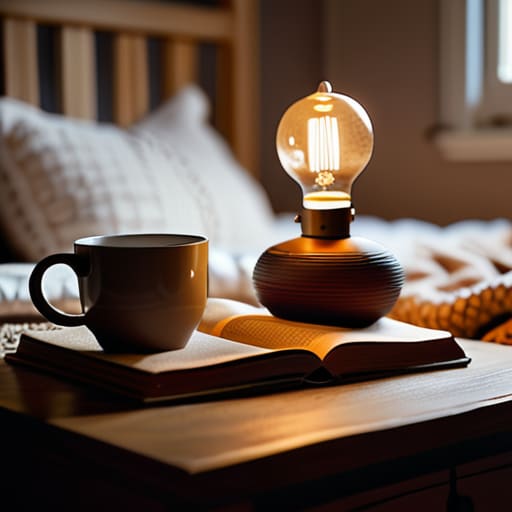
Stop chasing the “perfect” routine you saw on TikTok; if a system feels like a chore, it’s going to fail you by Tuesday.
Focus on one or two tiny, non-negotiable habits—like dimming the lights or putting your phone in another room—that actually move the needle.
Build your evening around what works when you’re exhausted, not when you’re at your most motivated.
The Perfection Trap
Stop trying to build a Pinterest-perfect evening ritual that requires thirty minutes of meditation and a silk eye mask. Real productivity isn’t about the aesthetic; it’s about picking two tiny, boring habits you can actually manage on the nights when you’re too tired to even think.
Nadia Halloway
The Bottom Line
At the end of the day, an evening routine isn’t about achieving some Pinterest-perfect state of Zen or buying a $100 silk eye mask. It’s about recognizing that your energy is finite and choosing to protect it with small, repeatable systems that actually fit into your real, chaotic life. We’ve talked about why the grand, sweeping lifestyle changes usually fall apart by Tuesday, and why focusing on tiny wins—like dimming the lights or setting a phone alarm—is much more effective. Don’t feel like you have to overhaul your entire existence tonight; just pick one or two low-stakes habits that feel doable even when you’re running on fumes.
I know how tempting it is to chase that “optimized” version of yourself that never feels tired and always has a clean kitchen. But honestly? That version of you is a myth. Real productivity isn’t about being a machine; it’s about building a buffer between the chaos of the day and the rest you actually need to do it all again tomorrow. Be kind to yourself when you slip up, and just start again the next night. You don’t need a perfect system to have a better night’s sleep—you just need a system that actually works for you.
Frequently Asked Questions
How do I actually stick to a routine on nights when I'm working late or just completely drained?
Look, some nights the “perfect” routine is just going to fail. When I’m running on fumes or finishing a client project at 10 PM, I don’t try to do the whole ritual. I use a “low-power mode” version. Instead of a full skincare routine and reading, I just brush my teeth and set my alarm. That’s it. It’s not glamorous, but it keeps the habit alive without the burnout.
Do I really need to ditch my phone, or is there a middle ground that won't make me feel isolated?
Look, I’m not going to tell you to throw your phone in a drawer and go live in a cabin. That’s not realistic for anyone with a job or a social life. Instead of a total ban, try a “soft boundary.” Set a grayscale filter to turn your screen boring after 9 PM, or move your social apps to the very last page of your home screen. It’s about friction, not isolation.
What are some low-cost ways to make my bedroom feel more relaxing without a massive home makeover?
Look, you don’t need a $2,000 designer headboard to fix your vibe. Start with lighting; swap those harsh overheads for a cheap warm-toned lamp. Then, declutter just your nightstand—if it’s covered in half-empty water glasses and random receipts, your brain won’t shut off. Finally, grab some inexpensive linen spray or even just a fresh set of cotton sheets. It’s about sensory cues that tell your brain, “Hey, we’re done for the day.”
If I can't do a full routine, what's the bare minimum I should do to keep my sleep on track?
Look, when the day has been a total wash and you’re running on fumes, forget the 45-minute wind-down. Just do the “Non-Negotiable Two”: dim the lights and put your phone in another room (or at least across the room). That’s it. If you can manage to brush your teeth and set an alarm, call it a win. We’re aiming for consistency, not perfection. Just keep the baseline steady.