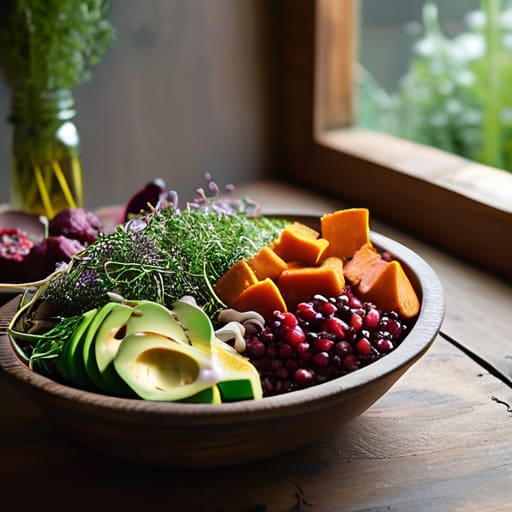
Vegetarian Recipes That Even Meat-eaters Will Love
Look, I get it. We’ve all seen those Pinterest boards filled with perfectly color-coordinated grain bowls and elaborate, three-hour plant-based feasts that look amazing but are completely unsustainable by a random Tuesday night. When you’re staring at a sink full of dishes and your brain is fried from a day of back-to-back meetings, the last thing you want to do is become a gourmet chef. Finding easy vegetarian recipes shouldn’t feel like a second job or a test of your willpower. I’ve spent way too many nights settling for a bowl of cereal because the idea of “healthy cooking” felt too heavy, and honestly? That’s when we stop eating well altogether.
I’m not here to give you a lecture on nutrition or suggest you buy a $200 specialized veggie chopper. Instead, I’ve rounded up seven of my absolute favorite, low-effort wins that actually move the needle on your energy levels without wrecking your schedule. These are the reliable, repeatable meals I turn to when my kitchen is a mess and my budget is tight. We’re talking about real food that works when life gets messy, so let’s dive in.
The "I Can't Even" Chickpea Salad
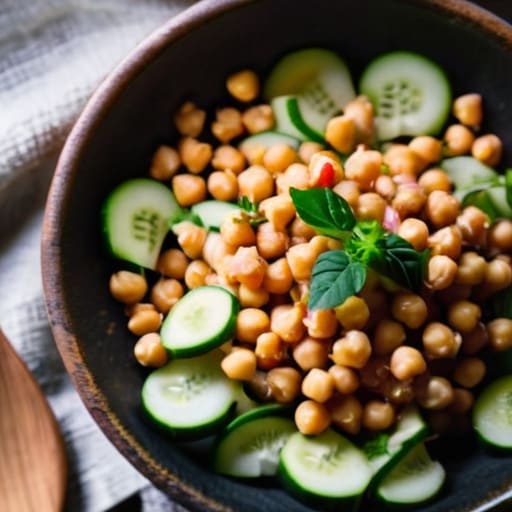
Look, we’ve all had those days where the thought of turning on the stove feels like a personal insult. This is my go-to when I’m running on caffeine and zero willpower. You just grab a can of chickpeas, smash them up a bit with a fork, and toss in whatever veggies are currently dying in your crisper drawer. I usually go for cucumber and red onion, but honestly, anything works as long as you have a bit of acidity.
Sheet Pan Gnocchi Magic
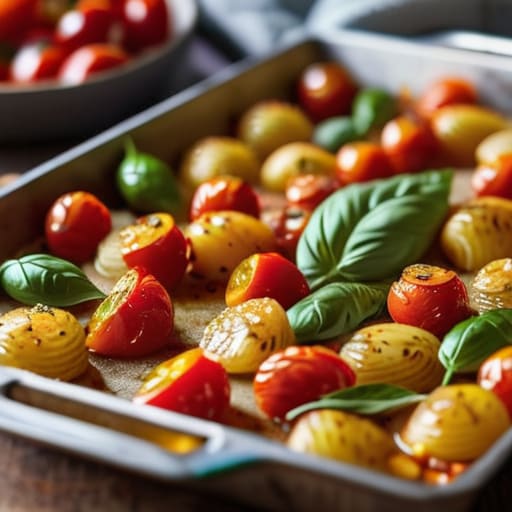
If you think gnocchi has to be boiled in a pot of water for ten minutes, I’m about to change your life. You can actually roast the shelf-stable kind straight from the package on a baking sheet. Toss them in with some cherry tomatoes, sliced bell peppers, and a heavy drizzle of olive oil. The tomatoes burst in the oven and create this natural sauce that coats everything perfectly.
One-Pot Red Lentil Dahl
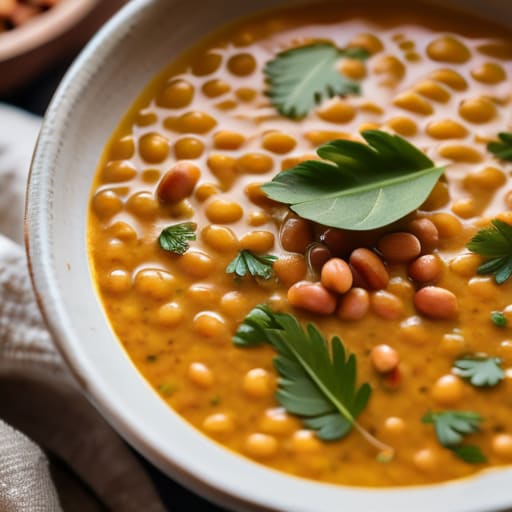
Lentils are the unsung heroes of a budget-friendly kitchen. They’re cheap, they don’t require soaking, and they cook incredibly fast. I keep a bag of red lentils in my pantry at all times because they turn into a creamy, comforting mash in about twenty minutes. Just simmer them with some coconut milk, turmeric, and a bit of garlic, and you’ve got a warm hug in a bowl.
Black Bean Quesadilla Chaos
This is the ultimate “clean out the fridge” meal. When I have half a can of black beans and some random cheese left over, this is what happens. It’s not about making a gourmet masterpiece; it’s about getting protein into your system without a struggle. Just layer the beans and cheese between two tortillas and crisp them up in a pan with a little butter or oil.
Pesto Pasta with a Twist
Pasta is the baseline of my survival strategy, but plain noodles are depressing. I like to elevate them using a jar of high-quality pesto—don’t feel guilty about the shortcut, just do it. To make it a real meal, I toss in a handful of frozen peas or some baby spinach right at the end. The heat from the pasta wilts the greens perfectly, so you don’t even need a separate pan.
Loaded Sweet Potato Boats
Sweet potatoes are great because they’re basically a vessel for whatever you have on hand. You can just prick them with a fork and microwave them for about five to seven minutes if you’re in a rush. Once they’re soft, split them open and stuff them with black beans, avocado, or even just a bit of feta cheese. It’s a solid nutritional win that requires almost no actual culinary skill.
Mediterranean Grain Bowls
I call these “assembly meals” because there is zero actual cooking involved if you use pre-cooked quinoa or farro. You just grab a bowl and start layering. I usually start with a base of grains, then add some canned chickpeas, sliced cucumbers, olives, and some crumbled feta. It’s basically a salad but much more filling and satisfying.
The Bottom Line
Stop aiming for Pinterest-perfect plating; if it’s nutritious and keeps you from ordering takeout, it’s a win.
Keep a “pantry baseline” of versatile staples like canned beans and grains so you aren’t starting from zero when the fridge looks empty.
Focus on low-friction cooking—if a recipe requires twenty different spices and an hour of chopping, it’s probably not going to happen on a Tuesday.
The Truth About Meal Planning
Stop trying to cook like a Pinterest chef on a Tuesday night. Real vegetarian cooking isn’t about exotic ingredients or perfect plating; it’s about having three or four reliable, low-effort meals that actually nourish you when you’re too tired to think.
Nadia Halloway
Real Talk: Keeping It Simple
Look, we’ve covered a lot of ground here, from quick pantry pastas to those one-pan roasted veggie trays that basically cook themselves. The goal wasn’t to turn you into a gourmet chef or force you into a rigid, expensive meal-prep routine that you’ll abandon by Wednesday. It’s really just about having a few reliable go-tos in your back pocket so that when the workday runs late and the “what’s for dinner?” panic sets in, you aren’t reaching for the takeout app. Whether you’re leaning on canned beans for protein or just throwing whatever is wilting in your crisper drawer into a stir-fry, the point is that eating better doesn’t have to be a project.
At the end of the day, your kitchen should work for you, not the other way around. If one of these recipes fails or you decide to swap out spinach for kale because it was on sale, that is a win. We’re aiming for sustainable habits, not culinary perfection. Don’t let the pressure of “doing it right” stop you from just getting something decent on your plate. Start with one recipe this week, see how it fits into your actual, messy life, and go from there. You’ve got this.
Frequently Asked Questions
How can I make sure I'm actually getting enough protein without spending a fortune on meat substitutes?
Look, you don’t need those $8 “fake meat” burgers to hit your protein goals. Honestly, they’re usually overpriced and taste like science experiments anyway. I stick to the basics: lentils, chickpeas, and eggs. They’re dirt cheap and actually filling. If you want a quick boost, toss some hemp seeds or nutritional yeast into whatever you’re already making. It’s about building small, cheap habits rather than buying your way into a “perfect” diet.
What are some ways to prep these meals ahead of time so I'm not cooking from scratch every single night?
Look, I’m not a fan of those marathon Sunday meal-prepping sessions that leave you exhausted before the week even starts. Instead, try “component prepping.” Roast a massive tray of seasonal veggies, boil a big batch of grains, and make one versatile sauce (like a lemon-tahini or a spicy peanut) while you’re already in the kitchen. Having those building blocks ready in the fridge means you can assemble a real meal in five minutes without the meltdown.
Can I swap out some of these ingredients if I'm working with a really tight grocery budget?
Absolutely. Please do. I grew up on a budget, so I know that “perfect” recipes often assume you have an unlimited grocery fund, which just isn’t reality. If a recipe calls for kale but Swiss chard is on sale, grab the chard. If avocado is pricey, use a bit of hummus or even a dollop of Greek yogurt for that creaminess. The goal is to eat well, not to go broke following a list.
How do I keep these meals from feeling boring or repetitive after a few weeks?
Honestly, the secret isn’t buying more ingredients; it’s about changing the “flavor profile” of your base. If you’re tired of the same roasted veggie bowl, swap the cumin for chili flakes one week and lemon zest the next. Keep a few “flavor boosters” in the pantry—like jarred pesto, tahini, or even just a good hot sauce. It’s the same basic meal, just a different vibe. Don’t overthink it.