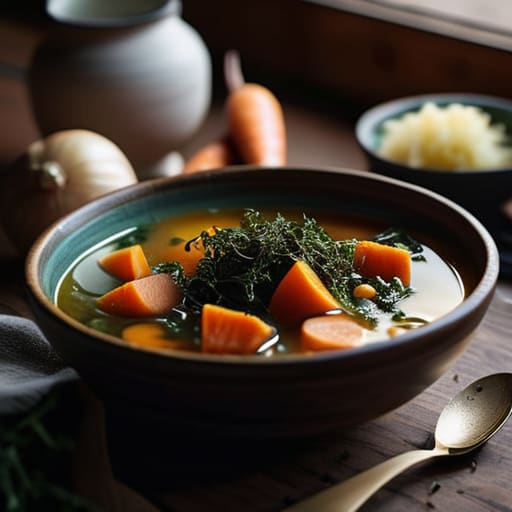
The Art of Making Soup From Leftover Fridge Ingredients
I am so tired of seeing those “aesthetic” cooking videos where someone spends forty minutes prepping organic, heirloom vegetables just to make a single bowl of broth. Seriously, if I see one more recipe that requires a specialized immersion blender and a $50 artisanal salt just to teach you how to make soup, I might actually lose it. We don’t have time for that kind of performative cooking, especially when we’re already trying to juggle a million other things. Real life is messy, your pantry is probably a disaster, and sometimes you just need something warm that doesn’t require a degree in culinary arts to pull off.
Here is my promise to you: we are going to strip away the fluff and focus on a repeatable system that actually works. I’m not going to give you a list of impossible-to-find ingredients or demand you spend your entire Sunday hovering over a stove. Instead, I’ll show you how to build a solid foundation using whatever is currently sitting in your fridge. We’re talking about functional, low-maintenance cooking that feeds your soul without draining your bank account or your sanity.
Building Your Foundation With Reliable Soup Base Ingredients
Look, you don’t need a pantry full of artisanal, small-batch extracts to make something edible. Most of the time, we overcomplicate this part. When I’m staring at a half-empty fridge after a long week of consulting, I focus on the basics: aromatics. I’m talking onions, garlic, and maybe a lonely carrot or two. These are your core soup base ingredients. If you have these, you have a starting point. Don’t stress about having a perfect mirepoix; just chop whatever you have and get them into the pot.
The biggest debate I see—and honestly, the one that usually trips people up—is the whole stock vs broth for soup dilemma. Here’s my pragmatic take: if you want something lighter and more salt-forward, go with broth. If you want a richer, more substantial body, grab a stock. But if you’re on a tight budget like I used to be, just use water and ramp up your essential soup seasonings. A little extra dried thyme or a splash of soy sauce can do wonders for depth. It’s about building layers of flavor, not spending twenty bucks on a single carton of liquid.
Stock vs Broth for Soup Choosing What Actually Works

I used to spend way too much time overthinking the stock vs broth for soup debate, thinking there was some secret culinary rule I was missing. Here’s the reality: it’s mostly about texture and how much work you want to do. Stock is usually made from bones, which gives you a richer, more body-heavy liquid that’s great if you’re looking for something hearty. Broth, on the other hand, is typically lighter and made from meat or veggies. If you’re aiming for a delicate, clear soup, go with broth. If you want something that feels like a warm hug in a bowl, reach for the stock.
If you’re in a rush (and let’s be honest, most of us are), don’t feel guilty about grabbing a carton from the store. Just check the label for low sodium; otherwise, you’ll end up with a salt bomb that ruins your soup base ingredients. My personal hack? If you’re using a store-bought broth that tastes a little thin, let it simmer with a few extra aromatics for twenty minutes. It’s one of those small, repeatable systems that turns a mediocre meal into something that actually tastes homemade without requiring a degree in French cooking.
Five ways to keep your soup game simple (and actually edible)
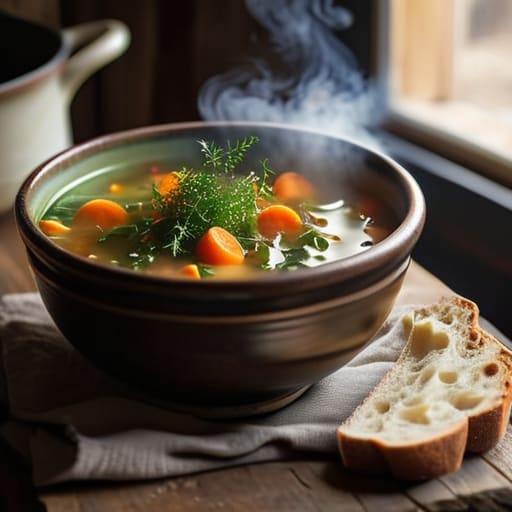
- Don’t overthink the aromatics. You don’t need a gourmet spice rack; just get some onions, garlic, and maybe some dried thyme or bay leaves in the pot first. That’s the baseline that makes everything else taste like actual food instead of just hot water.
- Chop everything roughly. If you spend forty minutes dicing carrots into perfect little cubes, you’ve already lost the battle. I like my veggies chunky because it’s faster, it’s easier to eat, and frankly, it looks better in a bowl.
- Salt as you go, not just at the end. This is the biggest mistake I see. If you wait until the soup is finished to season it, you’ll end up with a flat, dull flavor. Add a little pinch after you sauté the veggies and again once the liquid is in.
- Use the “one-pot” rule whenever possible. If you can sauté your veggies, brown your protein, and simmer your liquid in the same heavy pot, do it. It saves about twenty minutes of cleanup, which is twenty minutes more of me sitting on my couch.
- Keep a “rescue kit” in your pantry. If a soup tastes boring or “off,” don’t toss it. A splash of something acidic—like lemon juice or even a tiny bit of apple cider vinegar—can wake up the whole pot and fix a lackluster broth instantly.
The Low-Maintenance Soup Cheat Sheet
Don’t stress about making stock from scratch every single time; a decent store-bought broth is a perfectly valid shortcut when you’re short on time.
Focus on your “base” ingredients first—once you have a reliable pantry of aromatics and liquids, the actual recipe becomes much easier to improvise.
Aim for systems, not perfection; a simple, repeatable soup routine is better than a complex recipe that you’ll never actually have the energy to cook.
## The Reality of the Pot
“Stop stressing over the perfect artisanal stock; a good soup isn’t about expensive ingredients, it’s about building a repeatable system that turns whatever random vegetables are wilting in your crisper drawer into something that actually nourishes you.”
Nadia Halloway
The Low-Maintenance Soup System: Final Thoughts
At the end of the day, making a good soup isn’t about mastering a complex culinary technique or owning a set of professional-grade copper pots. It’s really just about the assembly. You’ve learned that a solid foundation starts with your base, and whether you choose a rich stock or a lighter broth, the goal is to build flavor through simplicity. Don’t get paralyzed by the idea that you need every single herb in the pantry to make it work. If you have a decent liquid, a few aromatics, and a bit of patience, you’ve already done the heavy lifting. Focus on the repeatable basics rather than trying to reinvent the wheel every time you pull a pot out of the cupboard.
My biggest piece of advice? Let the soup be imperfect. Some nights, you’re going to want a gourmet feast, and other nights, you’re just going to throw whatever wilted veggies are in the crisper drawer into a pot of broth because you’re exhausted. Both versions are wins. Soup is the ultimate tool for managing the messiness of life—it’s warm, it’s filling, and it’s incredibly forgiving. So, stop overthinking the recipe and just start cooking. You’ve got this, and honestly, a bowl of something warm is exactly what you need right now.
Frequently Asked Questions
Can I just use frozen veggies, or is that going to ruin the texture?
Honestly? Please do. I’m a huge advocate for the “whatever is in the freezer” method. If you’re trying to hit a goal of eating more real food, perfection is the enemy of progress. Frozen veggies won’t ruin your soup; they actually hold their shape better than some fresh stuff that turns to mush. Just toss them in during the last ten minutes of cooking so they don’t get too soft. Efficiency over aesthetics, always.
How do I stop my soup from turning into a salty mess if I use store-bought broth?
The quickest fix? Stop using the whole carton at once. Most store-bought broths are salt bombs, and once that flavor is in there, you can’t take it back. I usually start with half the amount the recipe calls for, then add more as I go. If you overdo it, don’t panic—just toss in some unsalted veggies or a splash of water to dilute the intensity. It’s all about building the flavor slowly.
What’s the best way to store leftovers so they don't get weird in the fridge?
Look, nothing kills my motivation faster than opening a container only to find “fridge-funk” soup. If you want to avoid that weird, slimy texture, skip the flimsy plastic tubs. Invest in a few decent glass containers with airtight seals. They don’t hold onto smells and they stack way better in a cramped fridge. Also, let the soup cool down a bit before sealing it—trapping that steam is just asking for soggy leftovers.
Is there a way to make a decent soup when I literally have zero time to prep?
Look, I get it. Some days, the idea of chopping onions feels like a marathon you didn’t sign up for. When I’m running on caffeine and zero free time, I skip the prep entirely. Grab a high-quality boxed broth, a bag of pre-washed baby spinach, and a can of beans. Throw them in a pot, add whatever spices are within arm’s reach, and let it simmer. It’s not gourmet, but it’s fuel.