Smart Shopping Habits to Keep More Cash in Your Pocket
I am so tired of seeing those “aesthetic” grocery hauls on social media—you know the ones, where everything is perfectly color-coded in expensive glass jars and nothing looks like it was actually bought by a person with a real job. It’s all part of this exhausting myth that you need a massive budget and a pristine pantry to master how to shop smarter. Honestly, most of that advice is just expensive performance art that falls apart the second you have a stressful Tuesday and end up ordering takeout because your “system” was too complicated to maintain.
I’m not here to give you a list of luxury meal prep hacks or tell you to buy every niche gadget on the market. Instead, I want to share the small, slightly unglamorous systems I’ve built over the years to keep my budget intact without losing my mind. We’re going to focus on repeatable, low-maintenance habits that actually work when life gets messy and your energy is low. No fluff, no gatekeeping—just practical ways to get what you need without the impulse-buy hangover.
Ditch the Chaos With Better Budgeting for Grocery Shopping

Look, I used to treat grocery shopping like a high-stakes scavenger hunt, wandering the aisles with no plan and wondering why I always ended up with a cart full of expensive snacks and zero actual ingredients for dinner. The chaos usually started the moment I stepped into the store. If you want to stop the bleeding, you have to start with budgeting for grocery shopping as a fixed system rather than a guessing game. I’m not talking about those intense, Pinterest-worthy meal prep sessions that take five hours on a Sunday; I’m talking about a simple list based on what you actually eat, not what you wish you were healthy enough to cook.
Once you have that list, the real magic happens in how you execute the trip. I’ve learned that the most effective way to keep my spending in check is through a bit of low-effort comparison shopping techniques. Before you grab that fancy organic brand, take two seconds to check the shelf tag. Most people miss it, but a quick glance at the unit price comparison guide on the label can tell you if that “bulk deal” is actually a rip-off. It’s not about being stingy; it’s about making sure your hard-earned money is actually going toward the stuff that keeps you fed, rather than just fancy packaging.
Winning the Battle of Avoiding Impulse Buys
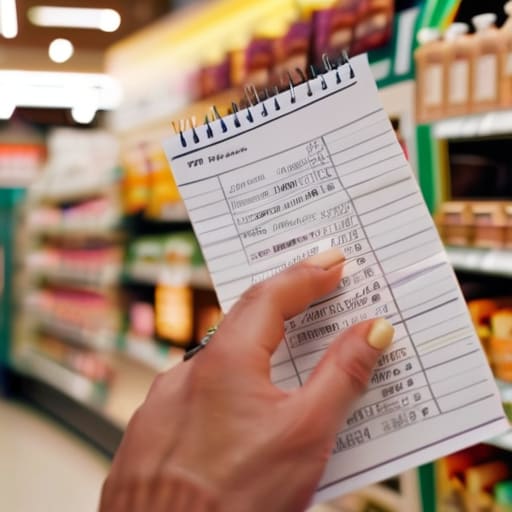
We’ve all been there: you walk into the store for a single carton of eggs and somehow walk out with a seasonal candle, three bags of gourmet chips, and a gadget you’ll never use. It’s not a lack of willpower; it’s just how stores are designed. They want you to wander. To fight this, I’ve learned that the best defense is a boring one. I never shop without a list, and I strictly stick to it. If it’s not on the paper, it doesn’t exist. It sounds simple, but creating that mental barrier is the most effective way of avoiding impulse buys before they even happen.
Another trick I use is the “pause” method. If I see something that looks tempting, I force myself to wait ten minutes or, better yet, walk to a different aisle first. Usually, the dopamine hit fades, and I realize I don’t actually need it. If you’re feeling more ambitious, try a quick unit price comparison guide check while you’re in the aisle. It turns shopping into a tiny, low-stakes logic puzzle rather than an emotional decision. It keeps your brain in “system mode” instead of “treat myself mode,” which is exactly where we want to stay if we want our money to actually last.
Small tweaks to keep your spending from spiraling
- Stop trying to shop for the “ideal” version of yourself. If you buy kale every Monday but end up eating frozen pizza by Wednesday, stop buying the kale. Shop for the person you actually are on a Tuesday night when you’re exhausted, not the person you wish you were.
- Use the “unit price” trick to stop getting ripped off. I used to think the bigger box was always the better deal, but once I actually started looking at the tiny price-per-ounce numbers on the shelf tags, I realized a lot of those “bulk” deals were total scams.
- Build a “staple list” for your online carts. Instead of starting from scratch every time you need something, keep a running list of the basics you always need—detergent, coffee, pasta—so you aren’t scrolling aimlessly and getting distracted by shiny new things.
- Treat your “wants” like a separate project. If you see something you love but didn’t plan for, put it in your cart and walk away for 24 hours. Most of the time, the dopamine hit wears off by the next morning and you’ll realize you don’t actually need it.
- Shop your own pantry before you head out. It sounds tedious, but spending five minutes checking what’s hiding in the back of your cupboard can save you twenty bucks on stuff you already own. It’s not about being perfect; it’s just about not buying a third jar of cumin.
The bottom line: keep it simple
Stop trying to overhaul your entire life overnight; just pick one small habit, like checking your pantry before you leave the house, and stick to it.
Focus on systems rather than willpower—if you make it harder to impulse buy (like leaving your phone in the car), you’ve already won half the battle.
Remember that “smart shopping” isn’t about deprivation or being a coupon wizard; it’s just about making sure your money actually goes toward the things you need.
Systems over willpower
Stop trying to out-discipline your impulses with sheer willpower; it never works. Instead, build tiny, boring systems—like a grocery list that actually stays in your kitchen or a twenty-four-hour rule for online carts—that do the heavy lifting when you’re too tired to think straight.
Nadia Halloway
Making it stick

At the end of the day, shopping smarter isn’t about mastering some complex mathematical formula or living on a strict diet of generic-brand beans. It’s really just about the basics we’ve talked about: having a loose grocery plan so you aren’t wandering aisles aimlessly, and building a tiny bit of friction between yourself and those impulse buys that always seem to look so good in the moment. If you can manage to stick to a basic budget and stop the “emergency” supermarket runs, you’ve already won more than half the battle. It’s about creating a low-maintenance system that actually survives a Tuesday when you’re tired and just want to go home.
Please don’t feel like you have to overhaul your entire life by tomorrow morning. I know from experience that trying to be “perfect” with your money usually leads to a total burnout and a massive, expensive takeout order. Instead, just pick one thing—maybe it’s just making a list before you leave the house—and do that consistently. Real progress is found in those small, repeatable wins that happen when life gets messy. You don’t need a fancy app or a high-tech spreadsheet to take control; you just need to start where you are and keep it simple.
Frequently Asked Questions
How do I actually stick to a grocery list when I'm tired and hungry after a long workday?
Look, I get it. After a ten-hour day, your willpower is basically non-existent. When you’re “hangry,” that list feels like a suggestion rather than a rule. My trick? Don’t shop on an empty stomach, and if you must, shop the perimeter first. Grab your heavy hitters—the staples—and get out. If you’re too wiped to navigate the aisles, skip the store entirely and use a quick pickup order. It’s not “cheating”; it’s protecting your budget from your tired brain.
Is it really worth the time to track every single small purchase, or does that just lead to burnout?
Honestly? No. If you try to track every single cent, you’ll burn out by Tuesday, and then you’ll just stop caring about your budget altogether. That’s the opposite of a system that works. Instead of obsessing over a $2 coffee, just track your big, recurring categories. Focus on the “leaks” that actually impact your bank account. Aim for awareness, not perfection. If the tracking feels like a chore, you’re doing too much.
What are some low-effort ways to find better deals without spending hours scrolling through coupon apps?
Look, I don’t have the bandwidth to spend my Sunday afternoon scrolling through endless coupon apps—it’s a productivity trap. Instead, I just stick to the basics: I sign up for my three most-used stores’ email lists and let the deals come to me. I also use browser extensions like Honey that run in the background while I shop. It’s low-effort, automated, and actually works without turning my life into a part-time job.
How can I manage to shop smart when my budget is already so tight that there's no room for error?
When the margin for error is zero, you can’t rely on “saving” money—you have to prevent it from leaving your pocket in the first place. Stop trying to find deals on things you don’t actually need. Focus on the “staple rotation” method: pick five versatile, low-cost ingredients (like oats, eggs, or beans) and build your meals around them. It’s not glamorous, but it creates a predictable baseline that keeps you from hitting zero mid-month.