Natural Ways to Unclog a Drain Without Using Harsh Chemicals
There is nothing quite like the slow, rhythmic gurgle of a sink that refuses to drain, followed by that rising tide of gray, lukewarm water that threatens to spill over the edge of your basin. I learned the hard way during a particularly chaotic Tuesday while trying to prep dinner in my tiny apartment kitchen; I stood there, staring at a sink full of soapy sludge, feeling that immediate, sinking dread that I’d have to call an expensive plumber. But here is the truth: you don’t need a professional crew or a chemistry degree to figure out how to unclog a drain. Most of the time, the solution isn’t a gallon of harsh, corrosive chemicals that eat away at your pipes, but rather a little bit of patience and the right mechanical approach.
I’m not going to suggest you buy a $200 motorized snake or some “miracle” liquid that smells like a science experiment gone wrong. Instead, I want to show you a few low-maintenance systems that actually work when life gets messy. We’re going to walk through the most effective, budget-friendly ways to tackle a blockage using stuff you probably already have in your utility closet. From basic physics to simple DIY tools, this is a no-nonsense guide on how to unclog a drain without breaking your bank or your spirit.
Guide Overview
Tools & Supplies
- Plunger [Cup or flange style for creating suction]
- Drain snake [Handheld auger for reaching deep clogs]
- Baking soda [1/2 cup for natural cleaning]
- White vinegar [1/2 cup for chemical reaction]
- Boiling water [1 kettle for flushing debris]
Step-by-Step Instructions
- 1. Before you go buying a gallon of that toxic, neon-colored chemical cleaner, grab a simple plunger—the flat, cup-style one works best for sinks. Make sure there’s enough water in the basin to cover the rubber bell of the plunger, because you need that seal to create the necessary pressure to move the clog.
- 2. If you’re dealing with a double sink, this part is crucial: you have to plug the other drain with a wet rag or a stopper. If you don’t, the air pressure will just escape out the other side instead of hitting the blockage head-on.
- 3. If the plunger doesn’t do the trick, it’s time to get a little messy and look under the sink. Place a bucket underneath the P-trap (that U-shaped pipe) to catch whatever gross liquid is sitting in there, then unscrew the slip nuts by hand or with a pair of pliers.
- 4. Once the trap is off, take it to another sink or use a garden hose to flush out the gunk. Most of the time, the culprit is just a clump of hair or a buildup of soap scum that’s sitting right in that curve, and once it’s gone, your drainage issues are usually solved.
- 5. If the clog is deeper than the P-trap, you might need a drain snake, but don’t run out and buy a professional-grade power auger just yet. A simple handheld plastic zip tool—the kind with the little barbs on the side—is incredibly effective for pulling out hair clogs from bathroom drains without breaking the bank.
- 6. After you’ve cleared the physical obstruction, give everything a thorough rinse with boiling water. This helps melt away any remaining grease or soap residue that might be clinging to the pipe walls and causing a slow drain.
- 7. Finally, put the pipes back together, making sure the washers are seated correctly so you don’t end up with a leaky mess under your cabinet. Tighten everything back up, run the water for a minute to test it, and take a deep breath—you just saved yourself a massive plumbing bill.
The Baking Soda and Vinegar Drain Method for Messy Days
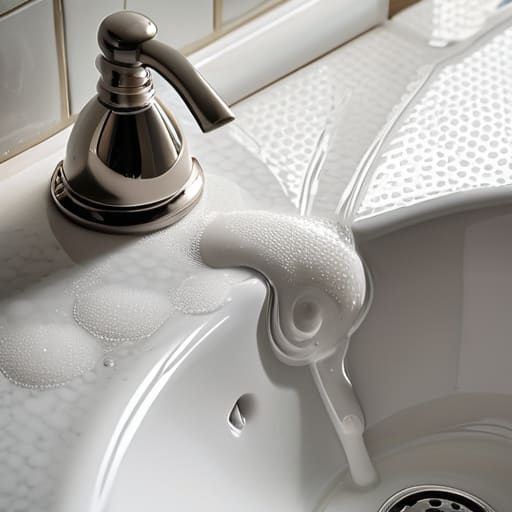
Now, if you’re staring at a slow-moving sink and the thought of getting your hands dirty with a heavy-duty tool feels like too much for a Tuesday, this is your go-to. The baking soda and vinegar drain method is my favorite “low-effort, high-reward” hack for when a clog is more of an annoyance than a total disaster. It’s one of those natural drain cleaner recipes that actually lives up to the hype because it relies on a simple chemical reaction to fizz away gunk without melting your pipes like those harsh, caustic store-bought liquids do.
Here’s my system: pour about half a cup of baking soda down the drain, followed by half a cup of white vinegar. Cap it up for about fifteen minutes to let the bubbles do the heavy lifting, then flush it all with a kettle of boiling water. It’s not going to fix a massive blockage caused by a rogue toy or a heavy buildup, but it’s incredible for preventing kitchen sink clogs before they turn into a full-blown plumbing emergency. It’s a small, repeatable habit that saves you a massive headache (and a much higher bill) down the road.
Mastering Plunger Techniques for Sinks Without the Stress
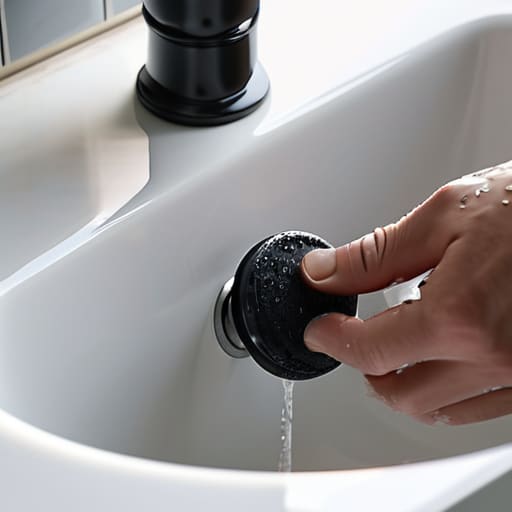
If you’ve tried the baking soda and vinegar trick and nothing has budged, it’s time to get your hands a little dirty with a plunger. Most people think plunging is just about mindless pumping, but if you want to actually clear the blockage, you need to focus on the seal. For a bathroom sink, I highly recommend using a small, cup-shaped plunger rather than the big flange ones meant for toilets. Before you start, plug the overflow hole with a damp rag; if you don’t, the air just escapes through there instead of building up the pressure you need to move the gunk.
Once you have that seal, it’s all about the rhythm. Don’t just go wild—you want firm, steady pressure rather than frantic splashing. Start with a few slow, heavy pulls to establish the suction, then increase the speed. If you’re dealing with a stubborn mess from removing hair from bathroom drains, you might need to repeat this cycle several times before you feel that satisfying “whoosh” of water rushing down. It’s not the most glamorous part of home maintenance, but it’s a lot cheaper than calling an emergency plumber on a Tuesday night.
Three things I wish I knew before calling a plumber
- Stop pouring boiling water down your pipes if you have PVC. I know it feels like it’s melting the clog away, but you’re actually risking warped joints and leaks that will cost way more than a plumber’s visit. Stick to hot tap water instead.
- Get a cheap plastic drain hair catcher. It’s not the most “aesthetic” thing sitting in your sink, but spending five bucks on a little mesh strainer is a lot better than spending two hundred bucks on a professional snake later.
- Don’t let the “chemical” commercials fool you. Those heavy-duty caustic cleaners can actually eat away at older metal pipes or create a nasty sludge that makes the clog even harder to move. If the vinegar and baking soda trick didn’t work, it’s time to move to physical tools, not more chemicals.
- Keep a zip-tie or a cheap plastic “drain snake” in your utility drawer. Most bathroom clogs are just hair tangled around the stopper, and you can usually fish them out in thirty seconds without ever getting your hands dirty.
- Learn to listen to your drains. If they start gurgling or draining slower than usual, don’t wait for a total backup. That’s your system telling you a clog is forming; tackle it while it’s small and easy rather than waiting for the midnight flood.
The Low-Maintenance Summary
Don’t reach for the heavy-duty chemicals first; start with the gentlest method—like baking soda and vinegar—to see if you can solve the problem without damaging your pipes or your lungs.
Master the physics, not the force. Whether you’re using a plunger or a simple tool, it’s about creating the right pressure and seal, not just sweating and pushing as hard as you can.
Prevention is way easier than a midnight plumbing crisis. Small, repeatable habits—like using a mesh strainer or avoiding pouring grease down the sink—will save you more time and money than any fancy gadget ever could.
## Systems Over Stress
“A clogged drain feels like a crisis in the moment, but it’s really just a symptom of a system that needs a little maintenance; don’t reach for the expensive plumber’s call just yet—usually, a little patience and the right basic tools are all you need to get things flowing again.”
Nadia Halloway
Keeping the Water Moving
At the end of the day, unclogging a drain isn’t about having a garage full of expensive industrial tools; it’s about knowing which small, effective method to pull from your toolkit when things go sideways. Whether you went the route of a classic baking soda and vinegar fizz to break up some grime, or you finally mastered the specific suction technique needed to make that plunger actually work, you’ve successfully tackled a major household headache. Remember, the goal isn’t to achieve some impossible level of plumbing perfection, but to use simple, repeatable systems to handle the mess when it inevitably happens. If you keep these basics in your back pocket, you won’t have to panic the next time the sink starts acting up.
I know that when your kitchen sink is backed up and the water is rising, it feels like just one more thing on an already overflowing plate. But once you clear that blockage, try to take a second to appreciate the win. Dealing with the “un-aesthetic” parts of life—the dirty work, the clogged pipes, the little disruptions—is exactly where we build our resilience. Don’t let a slow drain ruin your momentum; just fix it, get back to your flow, and keep moving forward. You’ve got this, and your plumbing is officially back on your side.
Frequently Asked Questions
Should I actually use those harsh chemical drain cleaners, or are they just going to ruin my pipes?
Honestly? Keep them in the cupboard and leave them there. I know they’re marketed as a “quick fix,” but most of those harsh chemicals are incredibly caustic. They can generate enough heat to warp PVC pipes or eat away at older metal ones, and if they don’t work, you’re just left with a sink full of toxic, standing water. It’s much better to stick to mechanical methods or the baking soda trick I mentioned earlier.
How do I know if the clog is actually in the sink or if it's deeper in the main line?
This is the question that usually makes me want to crawl under my desk. Here’s the quick litmus test: check your other drains. If your toilet is gurgling when you run the sink, or if the shower is backing up while you’re doing dishes, you’ve got a main line issue. That’s a much bigger, more expensive headache. But if it’s just that one sink acting up? It’s likely just a localized clog we can fix ourselves.
Is there a way to prevent these gross clogs from happening again without spending a fortune on professional maintenance?
Look, I’m all for avoiding the “emergency plumber” tax, but prevention is really just about building better habits. Start by ditching the liquid drain cleaners—they’re harsh on your pipes and usually just a temporary fix. Instead, grab a $5 mesh strainer for every drain to catch hair and food scraps before they settle in. Also, a monthly flush of hot water and a bit of baking soda keeps things moving. It’s low-effort, low-cost, and actually works.
What’s the deal with hair catchers—are they actually worth the counter space, or just another thing to clean?
Look, I get it. Your counter is already crowded, and the last thing you want is another little gadget to scrub. But honestly? Hair catchers are one of those rare “small, repeatable systems” that actually work. They’re a tiny bit of extra cleaning now to prevent a massive, expensive plumbing headache later. If you get a slim, low-profile one, it stays out of your way and saves your sanity (and your budget).