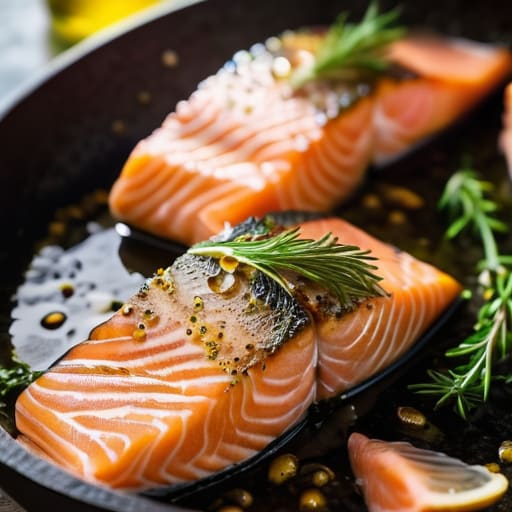
Mastering Fish: How to Cook It Without the Stress or Smell
I used to think that knowing how to cook fish required a degree in marine biology and a kitchen full of specialized gadgets I definitely couldn’t afford. I spent way too many Tuesday nights staring at a piece of salmon in the grocery store, convinced that if I didn’t have a professional-grade thermometer and a sous vide machine, I was destined to serve something that tasted like rubbery disappointment. The internet is full of these high-stress, “aesthetic” cooking tutorials that make a simple protein look like a high-stakes chemistry experiment, but honestly? Most of it is just noise.
I’m not here to give you a lecture on culinary school techniques or tell you to buy expensive copper pans. Instead, I want to show you a few repeatable systems that actually work when you’re exhausted and just want a decent meal. We’re going to strip away the intimidation factor and focus on the basics of how to cook fish using simple methods that prioritize flavor over flair. My goal is to help you master a few reliable workflows so you can stop overthinking it and start actually enjoying your dinner.
Choosing the Right Types of Fresh Fish for Cooking
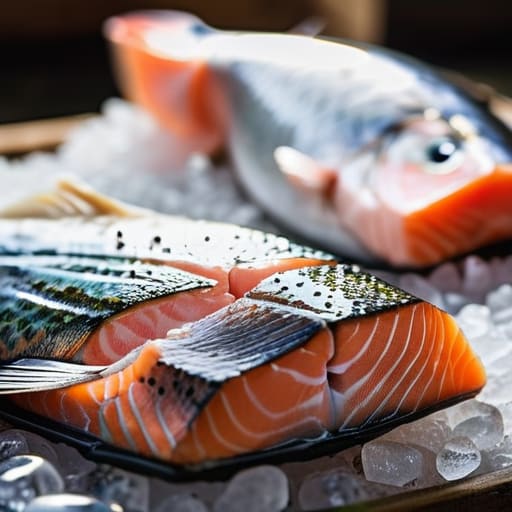
Look, walking into a seafood counter can feel like a high-stakes exam you didn’t study for. You’re standing there, staring at a dozen different options, wondering if you’re about to waste twenty bucks on something that tastes like a wet sponge. If you’re looking for the easiest entry point, I always suggest starting with the types of fresh fish for cooking that are forgiving. Think salmon or sea bass. These are sturdier, meaning they won’t fall apart the second they hit a hot pan, which is a huge win when you’re just starting out.
If you want to keep things simple, avoid the super delicate white fish like sole or flounder until you’ve mastered your heat control. Instead, grab something with a bit more substance. When you’re picking your fish, use your nose—it should smell like the ocean, not like anything “fishy.” If it looks dull or has a weird, slimy sheen, leave it on the counter. Once you have a good piece, don’t overcomplicate things. You don’t need a spice cabinet full of exotic blends; learning how to season seafood usually just comes down to salt, pepper, and maybe a squeeze of lemon. That’s it. Keep the ingredients minimal so the quality of the fish can actually do the heavy lifting.
Reliable Fish Cooking Methods for Beginners
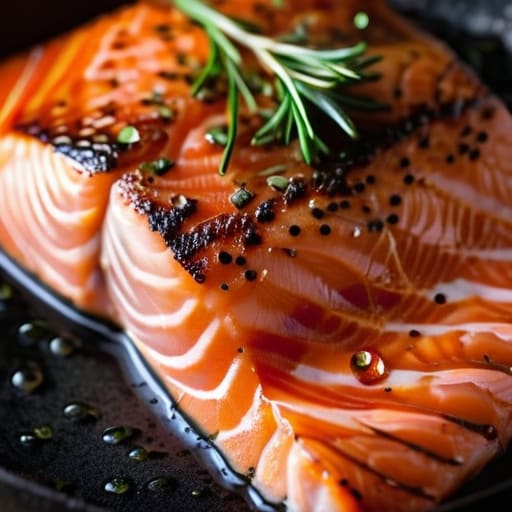
Look, I’ve spent way too many Tuesday nights staring at a piece of salmon, wondering if I was about to serve something delicious or a rubbery disaster. If you’re looking for the most foolproof fish cooking methods for beginners, skip the complex poaching or the intimidating deep-frying. Start with pan-searing or baking. Baking is my go-to when my brain is fried after a long day of consulting; you just put the fillet on a sheet pan, season it, and let the oven do the heavy lifting. If you want that crispy skin, pan-searing is the winner, but you have to master the art of preventing fish from sticking to the pan by making sure your skillet is truly hot before the protein hits the oil.
Once you’ve picked your method, don’t overcomplicate the flavor. When it comes to how to season seafood, less is almost always more. A heavy hand with salt, a squeeze of lemon, and maybe some cracked pepper is enough to let the actual flavor of the fish shine through. The real secret to success, though, is knowing when to stop. I always keep a digital thermometer handy because guessing is how you end up with dry dinner. For example, if you’re working with salmon, aim for an internal temperature for salmon of about 145°F (though many of us prefer it slightly lower at 135°F for a more tender texture). Just hit the mark, pull it off the heat, and let it rest.
Five ways to stop overthinking your fish dinner
- Stop obsessing over the thermometer; just use your finger. If you press the center of the fillet and it feels firm rather than squishy or bouncy, it’s likely done. It’s a low-tech way to avoid that rubbery, overcooked texture we all hate.
- Pat it dry like your life depends on it. I know it sounds extra, but if your fish is damp when it hits the pan, it’s going to steam instead of sear. Use a paper towel to get it bone-dry so you actually get that golden crust.
- Don’t touch it. Seriously. Once you lay that fillet in a hot pan with a bit of oil, leave it alone for a few minutes. If you keep poking at it or trying to flip it too early, it’s going to stick and tear, leaving you with a mess of flakes instead of a beautiful piece of fish.
- Salt it right before it hits the heat. If you salt your fish too early and let it sit, the salt draws out moisture and turns the surface into a wet mess. Keep it quick: salt, then sear.
- Keep your pantry staples ready. You don’t need a chef’s kit; just have some good olive oil, a lemon, and some flaky salt on hand. A squeeze of lemon at the very end does more for the flavor than any expensive spice blend ever could.
The bottom line on keeping it simple
Don’t let the “perfect” recipe ruin your night; focus on high-quality, fresh fish and a simple heat source, and you’re already 90% of the way there.
Forget the expensive, specialized gadgets gathering dust in your cupboard—a hot pan and a bit of seasoning are the only real tools you need to get this right.
Build a repeatable habit by mastering one or two reliable methods, like pan-searing or baking, so you can cook a decent meal even when your brain is fried after a long workday.
## The reality of the kitchen
“Stop overthinking the ‘perfect’ sear or the fancy garnishes. Cooking fish isn’t about mastering a culinary art form; it’s about having a reliable, three-step process that works even when you’re exhausted and just want a decent meal on the table.”
Nadia Halloway
Stop Overthinking the Pan
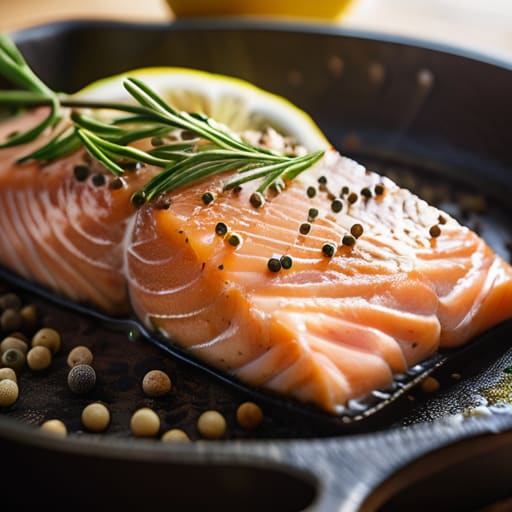
At the end of the day, cooking fish doesn’t need to be this intimidating ritual involving expensive thermometers or professional chef techniques. We’ve covered the basics: pick a fresh piece of fish that smells like the ocean (not like anything else), stick to reliable methods like pan-searing or baking, and don’t be afraid to keep your seasoning simple. You don’t need a pantry full of exotic spices to make this work; a little salt, some fat, and a hot pan are usually enough to get the job done. Remember, the goal isn’t a Michelin star—it’s just a nutritious, delicious meal that fits into your actual, busy life without leaving you with a mountain of dishes.
I know that when you’re tired after a long day, the last thing you want to do is “experiment” with a delicate fillet. But my advice is to just start small. Don’t wait for the perfect moment or the perfect ingredients. Pick up a piece of salmon on your way home, throw it in a pan, and see what happens. You’re going to mess up sometimes—maybe it’ll stick to the pan or come out a little dry—and that is totally fine. Perfection is a myth that just gets in the way of progress. Just keep showing up to your own kitchen, and eventually, these small, repeatable steps will become second nature.
Frequently Asked Questions
How do I know if the fish I just bought is actually fresh and not sitting in a puddle of its own juices?
Look, I’ve been there—standing in the grocery aisle, staring at a tray of seafood, wondering if I’m about to waste twenty bucks on something that tastes like a wet sponge. Here’s the quick checklist I use: if it’s sitting in a pool of milky liquid, put it back. You want clear eyes (not cloudy), firm flesh that bounces back when touched, and a smell that’s actually fresh, not “fishy.” If it smells like a pier at low tide, walk away.
Is it worth spending the extra money on wild-caught, or can I get away with the frozen stuff from the grocery store?
Look, I get the temptation to go all out on the wild-caught fillets, but let’s be real: your budget matters. If you’re cooking a quick Tuesday night dinner, the frozen stuff from the grocery store is perfectly fine. Just make sure you thaw it properly in the fridge beforehand—don’t try to rush it on the counter. Save your extra cash for the high-quality, wild-caught pieces when you’re actually hosting or feeling fancy.
What’s the best way to tell if the fish is done without relying on a fancy thermometer every single time?
Look, I don’t have space in my kitchen—or my brain—for another gadget I’ll eventually lose in a drawer. Honestly, the best way is just to use a fork. Gently flake the thickest part; if it separates easily and looks opaque rather than translucent, you’re golden. If you want to be a bit more precise, watch the edges. When they turn white and start to flake, it’s usually time to pull it off the heat.
How do I stop my entire kitchen from smelling like a seafood market for the next three days?
The biggest mistake people make is trying to mask the smell with heavy candles—that just creates “scented fish air,” which is worse. Instead, focus on the source. Immediately toss your scraps into a small bag, tie it tight, and get it straight into the outside bin. For the sink, a quick boil of vinegar and lemon peels works wonders. It’s not fancy, but it actually clears the air without the headache.