How to Build a Kitchen Pantry for Healthy Eating
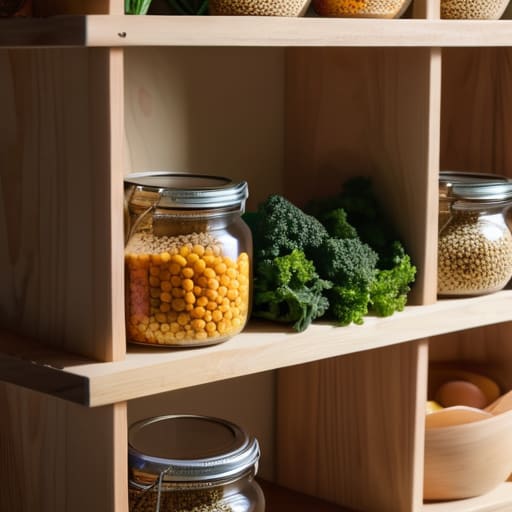
I’m so tired of seeing those “aesthetic pantry” reels where everything is decanted into matching glass jars and labeled with perfect calligraphy. Honestly, it feels more like a museum exhibit than a place where someone actually eats. If you’re trying to figure out how to stock a healthy kitchen based on those videos, you’re probably just setting yourself up for expensive burnout. You don’t need a $50 set of spice tins or a mountain of organic superfoods that expire before you even get home; you just need a system that doesn’t fall apart the second you have a busy Tuesday.
I’m not here to sell you on a lifestyle of perfection or some high-maintenance grocery list that drains your bank account. Instead, I want to share the uncomplicated, repeatable systems I’ve used to keep myself fed when life gets messy. We’re going to focus on building a realistic foundation of versatile staples and smart shortcuts that actually move the needle on your nutrition without requiring a PhD in meal prep. Let’s get practical.
Building Your Nutritious Grocery List Essentials
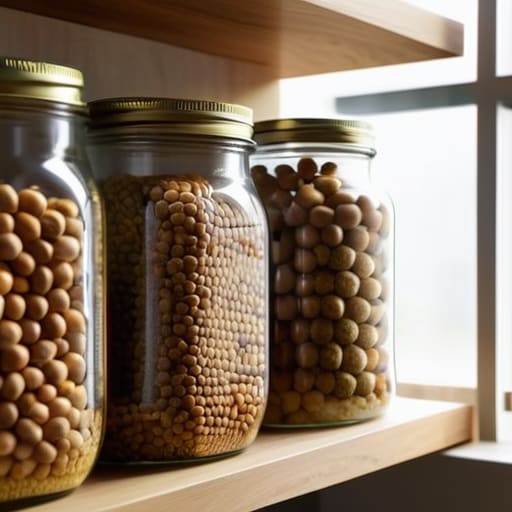
Look, I know the temptation to walk into a grocery store and try to buy every single organic, non-GMO, artisanal item on the shelf. I’ve been there, and trust me, it’s a fast track to a wasted paycheck and a pantry full of things you’ll never actually cook. Instead of chasing trends, I focus on building a foundation of whole food pantry staples that can actually survive a busy week. Think of it as setting up a toolkit. You don’t need a hundred different ingredients; you just need a few reliable heavy hitters—like lentils, quinoa, canned chickpeas, and olive oil—that can be thrown together when you’re too tired to follow a complex recipe.
When I’m drafting my nutritious grocery list essentials, I follow a simple rule: if it requires a manual to prepare, it stays off the list for now. I prioritize things that are versatile and have a decent shelf life. I’m talking about frozen vegetables (which are just as good as fresh, I promise) and long-lasting aromatics like garlic and onions. By focusing on these versatile building blocks, you’re not just buying food; you’re buying yourself a safety net for those nights when “life happens” and your original dinner plans go out the window.
The Low Processed Food Shopping Guide Youll Actually Follow
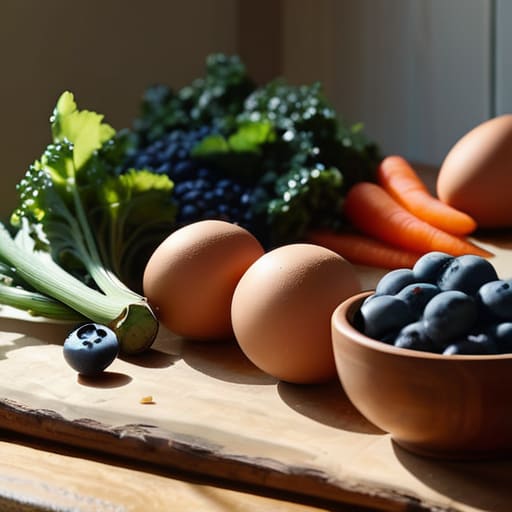
Here’s the truth: most “clean eating” guides make you feel like you need to spend three hours every Sunday scrubbing kale and weighing every blueberry. That is a fast track to burnout. Instead of trying to eliminate everything packaged, I focus on a low processed food shopping guide that prioritizes ingredients over products. If it comes in a box with a list of ingredients that sounds like a chemistry experiment, it probably isn’t a staple. I try to shop the perimeter of the store first—where the produce, proteins, and dairy live—because that’s where the real fuel is.
The goal isn’t to be perfect; it’s to minimize the friction between being hungry and eating something decent. I keep a small selection of whole food pantry staples—like canned chickpeas, quinoa, and frozen veggies—on hand so that when I inevitably have a chaotic Tuesday, I’m not reaching for the takeout menu. By keeping these versatile items in rotation, you aren’t just eating better; you’re building a safety net for your future, tired self. It’s about making the healthy choice the easiest choice, not the most difficult one.
5 Ways to Keep Your Kitchen Functional When Life Gets Messy
- Stop trying to meal prep for the entire week on Sunday. It’s exhausting and usually ends with me eating the same lukewarm chicken and broccoli on Thursday. Instead, just stock up on “component parts”—like a big batch of grains, roasted veggies, and a versatile protein—so you can assemble a real meal in ten minutes when you’re tired.
- Keep a “emergency stash” of frozen staples. Frozen spinach, peas, and berries aren’t “cheating”; they’re lifesavers. They don’t rot in the crisper drawer like fresh produce does, and they’re ready to be thrown into a smoothie or a quick pasta when you realize you haven’t been to the store in five days.
- Master the art of the “pantry anchor.” You don’t need a gourmet spice collection; you just need five or six reliable ones (think garlic powder, smoked paprika, or cumin) and a few reliable cans of beans or lentils. Having these on hand means you can make something decent out of whatever random leftovers are in the fridge.
- Don’t let your pantry become a graveyard for expensive “health foods” you bought on a whim. If you don’t actually like eating chia seeds, stop buying them. Stick to the basics you actually enjoy eating, even if they aren’t “superfoods,” because a system only works if you actually use it.
- Use the “one-in, one-out” rule for your countertop. A cluttered kitchen makes cooking feel like a chore. If you’re adding a new appliance or a new bulk bag of rice, make sure you’ve actually cleared space for it. Keeping your workspace functional is just as important as what’s inside the cupboards.
The Bottom Line: Systems Over Perfection
Stop trying to build a “Pinterest-perfect” pantry. Focus on having five or six versatile staples—like grains, beans, and frozen greens—that can be thrown together in ten minutes when you’re too tired to actually cook.
Don’t let “healthy” become a synonym for “expensive.” You don’t need organic dragon fruit to be nourished; canned fish, lentils, and seasonal produce are your best friends for keeping the budget tight and the nutrition high.
Build your kitchen around your actual life, not your “ideal” life. If you know you struggle on Tuesday nights, don’t plan a complex recipe for then. Stock up on easy, low-effort options for your most chaotic windows so you don’t end up defaulting to takeout.
The Reality of the Restock
A healthy kitchen isn’t about having a perfectly curated pantry that looks like a Pinterest board; it’s about having enough reliable, real food on hand so that when you’re exhausted at 7:00 PM, you don’t default to takeout just because you’re unprepared.
Nadia Halloway
Stop Aiming for Perfection
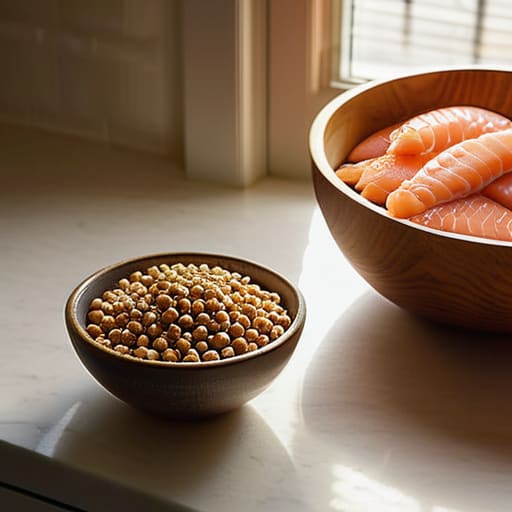
At the end of the day, stocking a healthy kitchen isn’t about having a Pinterest-perfect pantry filled with expensive organic powders and glass jars. It’s about having those reliable staples—the grains, the frozen veggies, and the easy proteins—ready to go when you’re too tired to cook a five-course meal. Remember, the goal of the systems we talked about today is to reduce decision fatigue, not to add another massive chore to your to-do list. If you can master the art of keeping a few versatile ingredients on hand and sticking to a realistic shopping plan, you’ve already won half the battle.
Please, give yourself some grace if you have a week where you end up ordering takeout three nights in a row. Life is messy, and your kitchen setup should be able to handle that reality. A good system isn’t one that breaks the moment things get chaotic; it’s one that helps you get back on track without feeling like a failure. Start small, keep it functional, and focus on what actually works for your specific budget and schedule. You don’t need a lifestyle overhaul—you just need a kitchen that works for you.
Frequently Asked Questions
How do I keep these healthy staples from going bad and wasting my money?
Look, I’ve spent way too much money watching expensive organic spinach turn into literal sludge in my crisper drawer. To stop the waste, you need a “use it or lose it” system. Group your perishables together so they’re visible, and if something is looking a little sad, don’t toss it—throw it in a freezer bag for a smoothie or a soup. It’s about managing what you have, not just buying more.
What are some quick, healthy meals I can make when I only have ten minutes and zero energy?
Look, I’ve been there—staring at a half-empty fridge at 7 PM with zero brainpower left. When I’m running on fumes, I lean on “assembly meals” rather than actual cooking. Think: Greek yogurt with frozen berries, or a quick tuna salad on whole-grain toast. If you have canned beans, toss them with some pre-washed spinach and a splash of vinaigrette. It’s not gourmet, but it’s fuel that doesn’t require a sink full of dishes.
Is it actually worth the extra effort to meal prep, or can I just shop smarter on the fly?
Honestly? It depends on how much “decision fatigue” you’re dealing with. If your brain turns to mush by 6:00 PM, meal prepping a few versatile bases—like a big batch of roasted veggies or grains—is a lifesaver. But if the idea of spending your entire Sunday in the kitchen feels like a chore you’ll eventually abandon, don’t do it. Just master the art of the “smart shop” and keep those reliable staples on hand.
How do I balance buying fresh produce with the convenience of frozen or canned goods?
Look, if you try to buy only fresh produce, you’re going to end up throwing half of it in the trash when life gets hectic. That’s just a waste of money. I treat frozen and canned goods as my safety net. Think of fresh veggies for the stuff you’ll eat in the next two days, and use frozen spinach or canned beans for everything else. It’s about reducing waste, not chasing perfection.