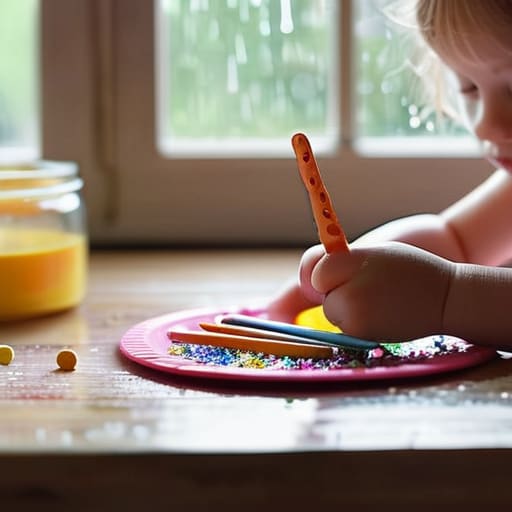
Fun and Easy Indoor Crafts to Keep Kids Busy on Rainy Days
Look, I get it. You’ve seen those Pinterest boards filled with pristine, color-coordinated playrooms and elaborate DIY projects that require three different types of specialized glue and a dedicated studio space. It’s exhausting. Most of the time, when I’m looking for kids craft ideas, I’m not looking for a masterpiece; I’m just trying to find something that keeps my tiny humans occupied for twenty minutes so I can actually drink a cup of coffee while it’s still hot. We need activities that don’t require a massive upfront investment or a complete house renovation to pull off.
In this post, I’m stripping away the “aesthetic productivity” of parenting and focusing on what actually works when your kitchen table is already covered in crumbs. I’ve rounded up 7 low-stakes, high-reward kids craft ideas that use the random junk you probably already have in your recycling bin or junk drawer. You’re going to learn how to foster some genuine creativity without the impending sense of chaos that usually follows a glitter explosion. Let’s get into the stuff that’s actually doable.
The Cardboard Box Kingdom
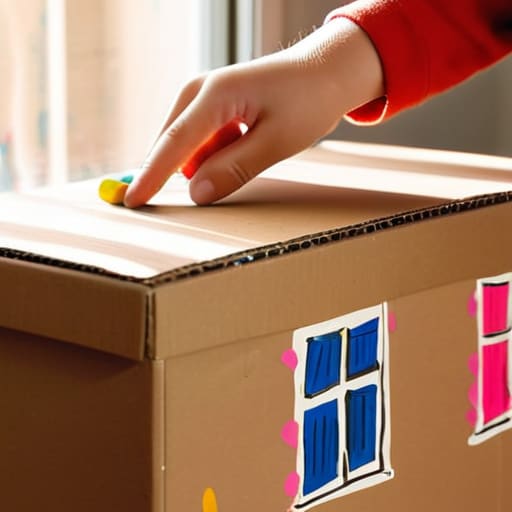
Before you go out and spend forty bucks on a plastic playhouse that’ll end up in a landfill by next Tuesday, look in your recycling bin. A sturdy shipping box is basically a blank canvas for a kid’s imagination. Whether it becomes a spaceship, a tiny apartment, or a fort to hide in when they’re feeling overwhelmed, the potential is endless and the cost is exactly zero.
Nature's Paintbrushes
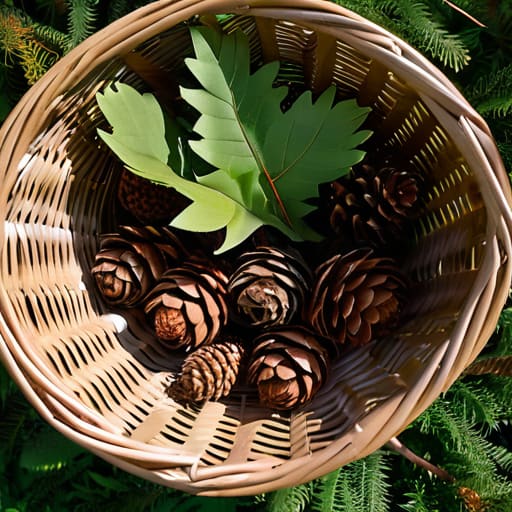
If you need to get them away from a screen and actually get some fresh air, grab a basket and head to the backyard or the local park. Instead of buying those expensive, synthetic brush sets, let them collect twigs, large leaves, or even dried pinecones. It’s a great way to teach them that creativity doesn’t require a store trip, and it turns a simple walk into a scavenger hunt.
Kitchen Pantry Collage
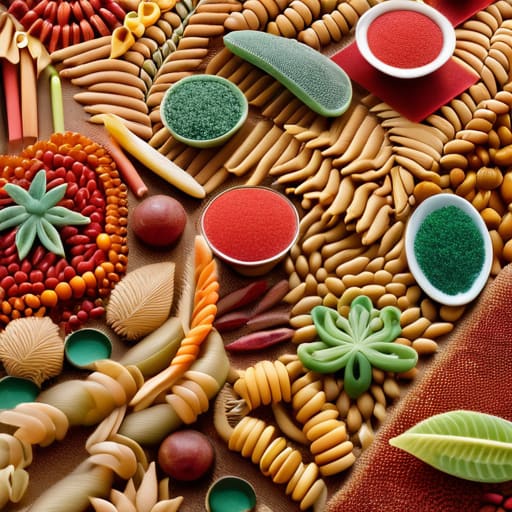
We all have that “junk drawer” or a pantry full of dry goods that are nearing their expiration date. Instead of tossing them, use them as tactile elements for a sensory collage. Things like dried pasta shapes, colorful lentils, or even crushed cereal can become part of a textured landscape. It’s a brilliant way to repurpose what you already have rather than adding more clutter to your cabinets.
Rock Painting Therapy
Next time you’re out for a stroll, keep an eye out for smooth, flat stones. These are essentially nature’s little canvases. Rock painting is one of those activities that is weirdly soothing for both kids and adults. It doesn’t require a big setup, and you can just leave the rocks on a windowsill or even hide them in the garden for someone else to find later.
Toilet Paper Roll Binoculars
We are the kings and queens of recycling, so let’s lean into it. Two empty toilet paper rolls, a bit of string, and some tape can turn a bored afternoon into a backyard safari. It’s a classic for a reason: it’s easy, it’s immediate, and it encourages them to actually look at the world around them with a bit more curiosity.
Sock Puppet Theater
We all have that lonely pile of mismatched socks in the laundry basket that never seems to find its partner. Instead of letting them sit there, turn them into characters. A few googly eyes (or even just some marker dots) and a scrap of felt for a tongue are all you need to bring a forgotten sock to life.
Pasta Jewelry Making
If you have any dried penne or rigatoni sitting in the pantry, you have the ingredients for a DIY jewelry kit. It’s a fantastic fine-motor skill activity that feels like a “grown-up” project but uses nothing more than basic household items. All you need is some twine or thick thread and a little bit of paint to make the pasta look more interesting.
The Low-Stress Approach to Crafting
Ditch the expensive, single-use kits; the best projects use stuff you already have lying around the house, like cardboard or old jars.
Focus on the process rather than the “masterpiece”—if the living room gets a little messy, it’s a sign of actual engagement, not a failure.
Keep your options low-stakes so you don’t feel pressured to be “Pinterest-perfect” when you’re already running on low battery.
## Forget the Pinterest Perfection
“We need to stop treating kids’ crafts like they’re high-stakes art gallery submissions. A kid with a glue stick and a cardboard box isn’t failing at ‘creative development’ just because the result looks like a chaotic mess—they’re actually learning how to build something from nothing, and honestly, that’s way more useful than a perfectly curated centerpiece.”
Nadia Halloway
Let Go of the Perfection
At the end of the day, whether you’re turning old cereal boxes into forts or letting them go wild with some washable paints, the goal isn’t a Pinterest-worthy masterpiece sitting on your mantle. It’s about finding those tiny pockets of connection in the middle of a chaotic week. We’ve looked at how low-stakes activities—like cardboard construction or simple sensory bins—can keep them occupied without requiring a massive budget or a degree in fine arts. The real win here is that these projects rely on what you already have in your junk drawer rather than a specialized kit that will just collect dust in the garage.
I know how it feels to look at a pile of glitter and think, “This is going to be a nightmare to clean up,” but I promise you, the mess is worth it. Don’t let the fear of a messy living room stop you from leaning into the fun. If you try to make every craft an “event,” you’re going to burn out before Tuesday. Instead, aim for small, repeatable moments of creativity that fit into your actual, messy life. Grab the glue stick, embrace the chaos, and just see where the afternoon takes you.
Frequently Asked Questions
How do I keep the mess contained so I'm not cleaning up glitter for the next three weeks?
Look, I’ve spent enough time vacuuming up rogue glitter to know that “containment” is a myth. Instead, try the “station” method. Lay down a cheap plastic tablecloth or even an old shower curtain liner before you start. When the chaos is done, you just roll the whole mess up and toss it. It’s not fancy, but it beats spending your entire Sunday hunting for sparkles in the rug fibers.
What can I do with my kids when we have zero supplies and just a random pile of recycling?
Honestly? Stop looking for the glue gun and just dive into the recycling bin. Grab those empty cereal boxes and turn them into a cardboard city, or use an old egg carton to make a “treasure tray” for tiny rocks and buttons. It’s low-stakes, zero-cost, and honestly, it’s way more fun than a structured craft kit that ends up in the trash by Tuesday. Just keep some masking tape nearby and let them go wild.
Are there ways to do these crafts that don't involve me sitting on the floor for two hours straight?
Honestly, if I had a nickel for every time I’ve ended a “fun activity” with a literal backache, I’d be retired. Don’t do it. Grab a tray or a large baking sheet and bring the project to the kitchen table instead. It keeps the mess contained to one surface and saves your joints. If things get particularly sticky, a cheap plastic tablecloth makes cleanup a breeze so you aren’t scrubbing the dining table at midnight.
How do I handle the inevitable "I'm bored" or the meltdown when a project doesn't look like the picture?
Look, the “I’m bored” loop is a trap, and the meltdown? That’s just reality hitting the craft table. When the boredom hits, stop trying to entertain them and instead offer two very specific, low-stakes choices. It gives them agency without the overwhelm. If a project fails the “looks like the picture” test, pivot immediately. Call it an “abstract masterpiece” or a “prototype.” Lower the stakes so the goal is just playing, not perfection.