Effective Ways to Naturally Lower Sugar in Your Diet
I am so tired of seeing those “total lifestyle resets” that involve throwing out your entire pantry and spending $200 on organic, sugar-free monk fruit syrups that taste like sweetened cardboard. Honestly, if you’ve ever tried to follow one of those rigid, aesthetic detox plans, you know they’re designed to fail the second your actual life gets busy. We don’t need more expensive wellness trends; we just need a realistic way to figure out how to reduce sugar in your diet without feeling like we’re punishing ourselves for having a human appetite.
I’m not here to sell you on a perfect, curated kitchen or a complicated meal prep routine that takes five hours every Sunday. Instead, I want to share the small, repeatable systems I’ve used to cut back on the sweet stuff while still keeping my sanity intact. We’re going to focus on simple swaps and practical habits that actually stick when you’re tired, stressed, or running between meetings. Let’s skip the hype and focus on what actually works when life gets messy.
Spotting the Hidden Sugars in Processed Foods
Here’s the thing: if you think you’re avoiding sugar because you stopped buying dessert, you’re probably still getting hit with it by stealth. Most of the “healthy” stuff in my pantry—that granola that tastes like honey or the yogurt that claims to be low-fat—is actually loaded with sweeteners. To really get a handle on this, you have to learn how to read nutrition labels for sugar without getting a headache. Don’t just look at the “Total Sugars” line; you need to scan the actual ingredient list. If you see words ending in “-ose”—like maltose, dextrose, or fructose—or if things like agave syrup and fruit juice concentrate are listed near the top, you’re looking at hidden sugars in processed foods that will spike your energy and leave you crashing an hour later.
I used to get so frustrated trying to hunt these down, but I realized it’s not about being a detective; it’s just about building a habit. When I’m grocery shopping, I do a quick scan for anything that looks too “convenient.” Usually, the more processed a food is, the more sugar is tucked away inside to make it shelf-stable and addictive. Instead of trying to overhaul your entire pantry in one afternoon, just try to spot one sneaky ingredient in your go-to snack this week. It’s a small, repeatable win that actually makes a difference.
Learning How to Read Nutrition Labels for Sugar
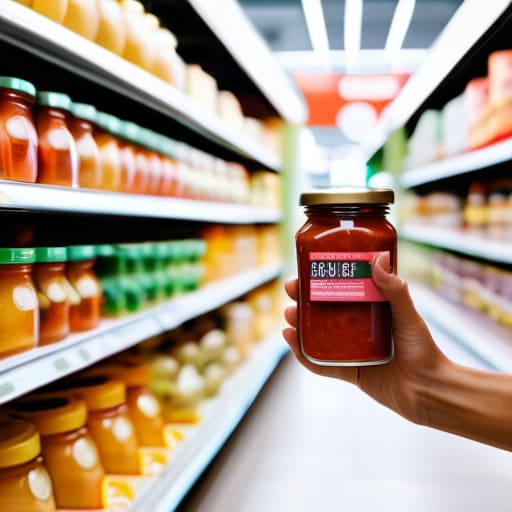
Once you realize that sugar is hiding in everything from your pasta sauce to your “healthy” yogurt, the grocery store can feel a little like a minefield. I used to walk down the aisles thinking I was making great choices, only to get home and realize I’d basically eaten a dessert for lunch. The trick isn’t to become a chemist, but to get comfortable with how to read nutrition labels for sugar without losing your mind.
Don’t just look at the “Total Sugars” line and call it a day; that’s where the real deception happens. You need to scan the ingredient list for those sneaky aliases. If you see words ending in “-ose”—like fructose, dextrose, or maltose—or if things like agave nectar and cane crystals are near the top of the list, you’re looking at a sugar bomb. I’ve learned that if an ingredient sounds like something you’d find in a bakery, it probably shouldn’t be in your morning oats.
Instead of aiming for a zero-sugar life overnight, try to prioritize low glycemic index foods that keep your energy steady rather than spiking it. It’s about finding that balance where you aren’t constantly fighting off a crash. Focus on the actual composition of the food rather than the flashy “no added sugar” claims on the front of the box.
Small shifts that actually stick (without the misery)
- Stop trying to go “cold turkey” on everything at once. If you try to cut out bread, pasta, soda, and dessert in the same week, you’re going to crash and order pizza by Wednesday. Pick one thing—like your morning coffee sweetener or that afternoon soda—and swap it out first.
- Keep a “low-sugar emergency kit” in your bag or desk. We’ve all been there: it’s 3 PM, you’re hitting a wall, and the vending machine looks like a godsend. Having some almonds, a piece of jerky, or even a piece of dark chocolate on hand stops the frantic, sugar-fueled decision-making.
- Focus on adding, not just subtracting. Instead of just thinking about what you can’t have, try to add more fiber and protein to your meals. If you’re eating yogurt, throw in some chia seeds or actual berries. The extra bulk keeps you full so you aren’t hunting for a cookie twenty minutes later.
- Watch out for the “healthy” trap. A lot of things marketed as wellness foods—like granola bars, flavored yogurts, or green juices—are basically just dessert in disguise. I learned this the hard way when I realized my “healthy” breakfast had more sugar than a donut. Stick to whole foods when you can.
- Don’t beat yourself up when you slip up. If you end up eating a slice of cake at a birthday party, the world isn’t ending. You don’t need to “reset” or start a new detox on Monday. Just make your next meal a balanced one and move on. Consistency beats perfection every single time.
Small wins over total overhauls
Don’t try to go cold turkey on everything overnight; just pick one thing, like your morning coffee sweetener or your afternoon soda, and swap it for a lower-sugar version first.
Focus on adding real, whole foods to your plate rather than just subtracting the bad stuff, because it’s much easier to stay on track when you aren’t actually hungry.
Keep your systems simple—if a “healthy” meal takes an hour of prep you don’t have, you won’t do it, so find the low-effort, low-sugar shortcuts that actually fit your real life.
Forget the overhaul
You don’t need to go on a punishing juice cleanse or throw every carb in your pantry into the trash; just focus on making one or two small, boring swaps a week that actually stick when you’re too tired to cook.
Nadia Halloway
Small Wins Over Big Overhauls
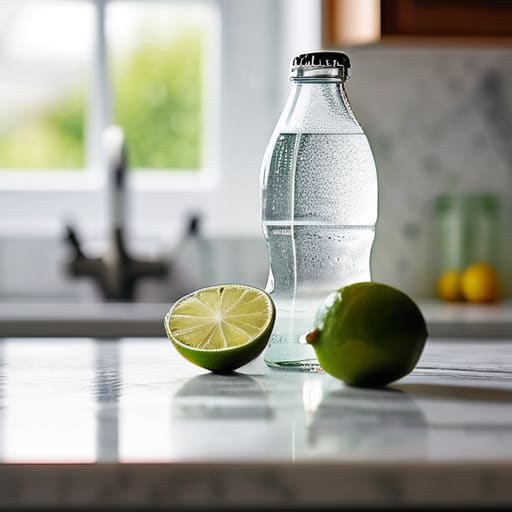
Look, we’ve covered a lot of ground, from hunting down those sneaky hidden sugars in your favorite condiments to actually making sense of those confusing nutrition labels. It can feel like a lot of extra mental labor just to grab a snack, but the goal isn’t to become a forensic scientist every time you hit the grocery aisle. It’s really just about building a little more awareness into your routine. Instead of trying to overhaul your entire pantry overnight—which, let’s be honest, usually ends in a takeout pizza binge by Wednesday—just focus on making one or two smarter swaps this week. Whether that’s switching to plain yogurt instead of the fruit-on-the-bottom kind or grabbing sparkling water instead of a soda, those tiny shifts are what actually stick.
At the end of the day, please don’t beat yourself up if you slip up and eat a giant slice of cake at a birthday party. Life is messy, and perfection is a total myth that only serves to make us quit before we even start. I’m not interested in a “perfect” diet; I’m interested in a sustainable way of living that makes you feel good. Focus on the progress you’re making, not the mistakes you’re making. If you can master these small, repeatable systems, you’ll find that cutting back on sugar doesn’t have to feel like a punishment—it just becomes part of how you take care of yourself.
Frequently Asked Questions
What do I do when I'm craving something sweet after a long, stressful workday?
Look, I get it. After a day of back-to-back meetings and chaos, a chocolate bar feels like the only thing that’ll save you. Instead of fighting a losing battle with willpower, try a “bridge snack.” Grab something with actual substance—like Greek yogurt with a drizzle of honey or an apple with peanut butter. It hits that sweet craving but gives you enough protein to actually stabilize your energy instead of crashing an hour later.
Are there any "healthy" snacks or drinks that are actually secretly loaded with sugar?
Oh, the “healthy” aisle is a minefield. I used to think my morning green smoothie and those granola bars were my saving grace, but I was basically eating dessert for breakfast. Most flavored yogurts, protein bars, and even those “natural” fruit juices are absolute sugar bombs. They lean hard on marketing to make you feel good about them, but if you check the back, the sugar content is usually through the roof. Don’t fall for the packaging.
How can I cut back on sugar without feeling totally deprived or losing my energy?
Look, I’ve been there—the mid-afternoon crash that makes you want to faceplant into your keyboard. The mistake is trying to go cold turkey. That’s a recipe for a binge later. Instead, focus on “crowding out” the sugar. Add more protein and healthy fats to your meals; they actually keep you full. If you’re craving something sweet, grab a handful of berries or some Greek yogurt. It’s about steady energy, not deprivation.
Do I really need to cut out all artificial sweeteners, or are those a better middle ground?
Honestly, don’t stress about a total ban on artificial sweeteners right away. If you’re used to a soda every afternoon, jumping straight to plain water is a recipe for a crash-and-burn cycle. Think of sweeteners as a bridge, not a destination. They’re a decent middle ground to help you break the habit without feeling deprived, but my goal is to help you eventually crave less of the “fake” stuff altogether. One step at a time.