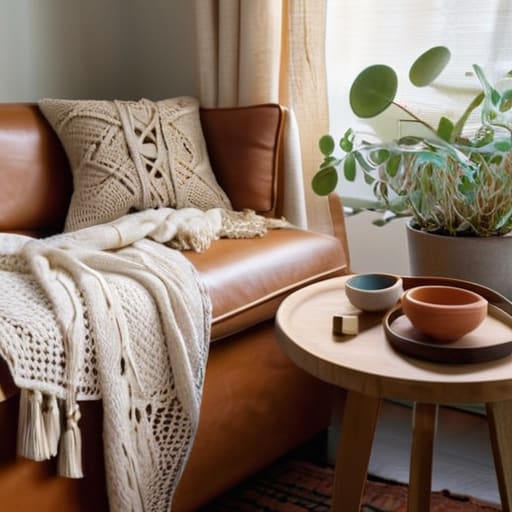
Affordable Diy Decor to Refresh Your Home
I spent way too many years thinking that a “nice home” required a massive budget and a professional interior designer on speed dial. I used to scroll through those hyper-curated home feeds, feeling totally defeated because my apartment was small, my bank account was smaller, and my life was usually too chaotic to maintain a museum-grade living room. But here’s the truth: we don’t need perfection; we just need a space that feels like us. If you’ve been searching for diy home decor ideas that actually fit into a real, messy life without requiring a degree in design, you’re in the right place.
I’ve stripped away all the fluff to bring you seven practical ways to upgrade your space using things you probably already have or can grab for a few bucks at a thrift store. We’re skipping the expensive, high-maintenance trends and focusing on small, repeatable systems that make your home feel intentional rather than cluttered. From quick furniture refreshes to simple organizational hacks, these seven ideas will help you create a home that feels good to live in, even when life gets messy.
Upcycled Thrifted Frames
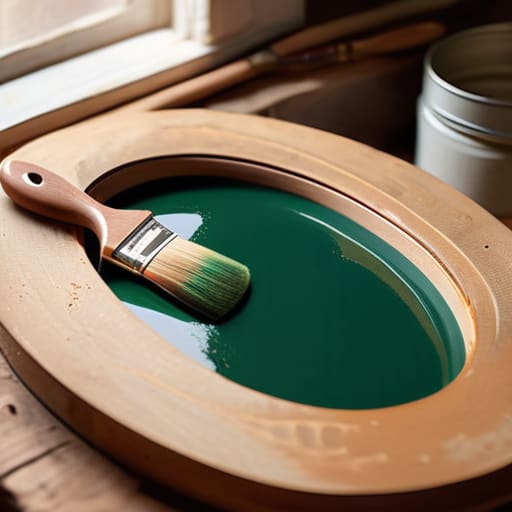
I spend way too much time in thrift stores looking for old, chunky wooden frames that have seen better days. Most people see a dusty, scratched-up piece of junk, but I see the foundation for something that actually looks expensive. Instead of buying a new gallery wall set from a big-box retailer, grab a few mismatched frames and give them a quick sanding and a fresh coat of matte black or deep forest green paint.
The "Found Object" Shelf
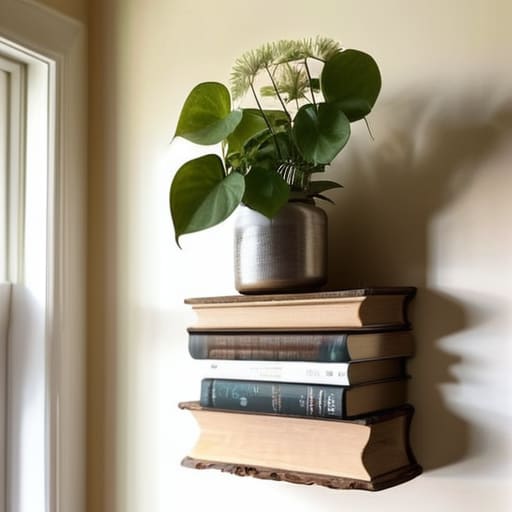
If you’re living in a small apartment like I was for years, you know that vertical space is your best friend. You don’t need a massive, expensive bookshelf to make a room feel finished. I love taking sturdy, interesting items—like a thick piece of reclaimed wood or even a vintage ladder—and turning them into functional shelving. It’s all about finding pieces that have a bit of soul rather than something mass-produced and flimsy.
Texture Over Trinkets
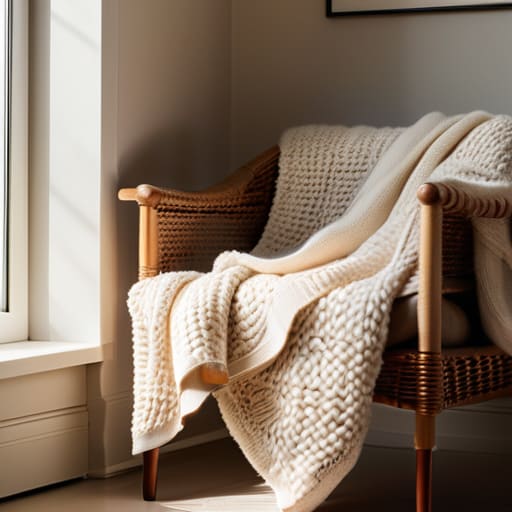
One mistake I see people make constantly is trying to “decorate” by buying a bunch of tiny, plastic knick-knacks that just end up collecting dust. That’s not decor; that’s just clutter. If you want to make a space feel cozy, stop looking for more stuff and start looking for better textures. I’m talking about things like a heavy linen throw pillow or a chunky knit blanket thrown over the arm of a chair.
Statement Lighting via Upcycled Lamps
Lighting is the quickest way to change the mood of a room, but good designer lamps are ridiculously overpriced. I’ve found that you can take a basic, boring lamp from a garage sale and completely transform it with a little bit of grit and some spray paint. I once took a lamp with a hideous floral pattern and stripped it down to a sleek, mid-century modern silhouette using just a bit of sandpaper and a can of matte terracotta paint.
Living Decor with Propagated Plants
Plants are the ultimate decor hack because they actually do something—they clean the air and make a room feel alive. But let’s be real: buying huge, mature plants every time you want to refresh a corner is a massive drain on your budget. Instead, I’ve become a bit of a serial propagator. I take small cuttings from my existing plants, pop them in some glass jars, and let them grow their own roots.
Functional Art with Textile Hangings
Large-scale art is usually one of the biggest expenses when moving into a new place, and finding something that doesn’t look like a generic print is a struggle. I love using textiles to fill those big, empty wall gaps. You don’t need to be a master weaver to do this; you can even take a beautiful piece of patterned fabric or a vintage scarf and hang it using a simple wooden dowel.
Organized Entryway Trays
The entryway is usually the first place where life’s messiness shows up—keys, mail, loose change, you name it. Instead of letting that stuff pile up on a random table, I like to create a designated “landing zone” using a DIY tray. You can take a simple wooden tray or even a shallow basket and customize it with some contact paper or a quick coat of paint to match your style.
The Bottom Line
Stop chasing the “Pinterest-perfect” look and focus on decor that actually fits your real, messy life.
Small, repeatable systems—like a designated spot for your keys or a simple lighting upgrade—beat big, expensive renovations every time.
If a DIY project feels like a massive chore you’ll never finish, it’s not worth your time; keep it functional, keep it simple, and keep it moving.
## A Note on the "Perfect" Home
Stop trying to build a showroom and start building a home that actually works for you; a thrifted chair with a bit of character and a functional layout will always beat a Pinterest-perfect room that feels too precious to actually live in.
Nadia Halloway
Stop Aiming for Perfection
At the end of the day, these DIY projects aren’t about turning your apartment into a showroom or winning a design competition. Whether you’re repurposing an old thrifted side table or just finally organizing your shelves with some cheap baskets, the goal is to create a space that actually serves you. We’ve looked at how small, intentional changes—like updating hardware or adding some greenery—can completely shift the energy of a room without breaking the bank. It’s about building functional systems into your decor so that your home feels like a sanctuary rather than another item on your never-ending to-do list.
Please, for the love of all things sane, stop scrolling through those curated, untouchable home accounts that make you feel like your life is inadequate because you don’t have a marble kitchen island. Real life is messy, budgets are tight, and sometimes you’re too tired to sand down a coffee table. That’s okay. Start small, start with something you can actually finish this weekend, and focus on making your space feel genuinely comfortable. You don’t need a massive renovation to feel at home; you just need a few little wins that make your daily routine a bit smoother.
Frequently Asked Questions
How do I start DIYing without spending a fortune on supplies I'll only use once?
Look, I’ve been there. You see a cool project, buy $80 worth of specialized tools, and then they just sit in a drawer gathering dust. Don’t do that. Start by raiding your junk drawer or hitting up a local thrift store for basic hand tools. Most of the time, you can repurpose what you already own. If you absolutely need something specific, try renting it or buying used on Marketplace first. Build your kit slowly, one useful tool at a time.
What are some ways to decorate if I'm renting and can't actually paint or drill into the walls?
Look, I’ve spent plenty of nights in tiny rentals where I felt like a guest in my own life because I couldn’t touch the walls. If you can’t drill, don’t sweat it. Lean heavily into command hooks and tension rods—they’re lifesavers for hanging art or curtains without losing a security deposit. Also, focus on “floor-up” decorating. Big rugs, floor lamps, and even a few well-placed plants can completely change the vibe without a single drop of paint.
How do I keep my DIY projects from just becoming more clutter that I have to clean up later?
Honestly? This is my biggest struggle. I’ve definitely been guilty of the “project pile” that just sits in the corner of my living room for months. My rule now is: if you don’t have a designated “landing zone” for the supplies and the half-finished piece, don’t start. I treat my DIYs like a work project—clear the surface, do the task, and clean as you go. If it doesn’t fit your space, it’s not a project; it’s just clutter.
Which DIY projects are actually worth the time versus just being a massive headache?
Look, if you’re spending six hours sanding a thrifted chair only to realize it looks like a disaster, you’ve lost the plot. Stick to projects with a high “reward-to-headache” ratio. I’m talking about things like swapping out boring cabinet hardware, adding some peel-and-stick backsplash, or simple furniture refinishing where you just go for a clean, matte look. If a project requires specialized power tools you don’t own, skip it. Focus on the quick wins.