
The Guilt-free Way to Save Up for Your Next Trip
I’m so tired of seeing those “travel influencer” reels where people claim you can see the world by just “manifesting” or cutting out your morning latte. Honestly, that kind of advice is exhausting and, frankly, a little insulting when you’re staring at a mounting pile of real-world bills. If you’re trying to figure out how to save for a vacation without living on nothing but ramen and sheer willpower, you aren’t alone. The truth is, most financial gurus make saving feel like this massive, intimidating mountain you have to climb, when it should really just be about building small, repeatable systems that don’t break the moment life gets messy.
I’m not going to give you a lecture on extreme frugality or suggest you download some complicated, high-maintenance budgeting app that doesn’t even have a dark mode. Instead, I want to share the gritty, practical methods I’ve used to fund my own trips—the ones that actually work when you have a job, a life, and a budget that isn’t infinite. We’re going to focus on low-stress, sustainable tweaks that help you tuck away cash without feeling like you’re punishing yourself. Let’s get into the real way to make that trip happen.
Small Wins Reducing Daily Expenses for Trips
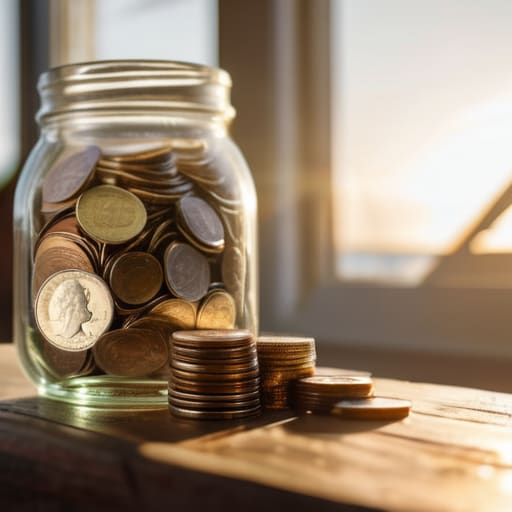
Instead of looking at your bank account and feeling that immediate sense of dread, let’s look at the small, leaky faucets in your daily spending. We aren’t talking about cutting out everything you love—I’m not that person. I’m talking about the stuff you don’t even notice. For me, it was the subscription creep. I realized I was paying for three different streaming services I barely touched and a gym membership for a place I hadn’t visited since 2022. By reducing daily expenses for trips through these tiny audits, I found an extra sixty bucks a month without even feeling the pinch.
Another thing that changed the game for me was the “wait 48 hours” rule. If I see something online that looks cool, I put it in the cart but I don’t hit buy until two days later. Usually, the impulse fades, and that’s money that can go straight into my travel fund instead. If you want to make this even easier, look into travel fund automation tips like setting up a recurring transfer of just $10 or $20 a week. It’s not a massive windfall, but it’s a consistent, low-stress way to build momentum while you’re busy living your actual life.
The Magic of Travel Fund Automation Tips

If you’re anything like me, you probably have a mental list of “someday” trips that never actually happen because life keeps getting in the way. The problem isn’t a lack of desire; it’s that willpower is a finite resource, and mine usually runs out by Tuesday afternoon. This is where travel fund automation tips actually become a lifesaver. Instead of trying to manually move money every payday—which is just one more chore on an already overflowing to-do list—set it and forget it. Most banking apps let you schedule a recurring transfer, even if it’s just twenty bucks a week. It feels small, but it’s that consistency over intensity mindset that actually builds momentum.
To make this really work, I highly recommend looking into high-yield savings accounts for travel. There is no point in letting your hard-earned money sit in a standard checking account earning zero interest while you’re trying to plan an international getaway. By moving your automated transfers into a separate, high-yield account, you’re essentially letting your money do a little bit of the heavy lifting for you. It creates a psychological barrier, too; seeing that specific “Vacation” bucket grow independently from your rent or grocery money makes the goal feel much more tangible and real.
Low-Stakes Strategies for Real-World Saving
- Audit your “subscription creep.” We’ve all been there—paying for a streaming service we haven’t touched since 2022. Pick one or two to pause for three months. It’s not about deprivation; it’s about redirecting that $15 a month toward a cocktail on a beach instead.
- Use the “Wait 48” rule for non-essentials. If you see something online that you think you need, leave it in the cart for two days. Usually, the impulse fades, and you can take that saved money and toss it straight into your travel fund.
- Stop trying to meal prep like a fitness influencer. If you can’t cook five perfect lunches a week, don’t. Just aim for “better than takeout.” Even swapping three deli lunches for simple home-made sandwiches a week adds up to a flight upgrade by the time summer hits.
- Round up your spare change—digitally. Most banking apps have a feature that rounds up your purchases to the nearest dollar. It feels invisible, but seeing those extra few cents turn into fifty bucks over a month is a massive psychological win.
- Sell the “clutter tax.” Look around your space. That mid-century chair you’re restoring? Great. But that stack of clothes you haven’t worn in two years? That’s just sitting cash. List a few things on Marketplace, and boom—your hotel budget is suddenly sorted.
The TL;DR: Keeping Your Travel Fund Realistic
Forget the “all or nothing” mindset; it’s the tiny, automated transfers and the small daily swaps that actually build a real budget without making you miserable.
Stop waiting for a windfall to start saving. If you can’t automate it, find a way to make it manual but consistent—even if it’s just the cost of one takeout order a week.
Build a system that works when your life gets chaotic, not one that requires perfect discipline, because life is messy and your savings plan should be able to handle it.
Forget the Perfectionism
Stop waiting for a massive windfall or a perfect month of zero spending to start your travel fund; real savings happen in the messy, unglamorous gaps between your daily habits.
Nadia Halloway
The Long Game

Look, saving for a trip isn’t about some massive, overnight transformation or suddenly living like a monk to afford a flight to Italy. It’s really just about those tiny, intentional shifts we talked about—trimming the fat on your daily spending where it doesn’t actually hurt and letting automation do the heavy lifting while you’re busy living your life. Whether it’s a few dollars saved on your morning coffee or a recurring transfer that happens before you even realize the money is gone, these small, repeatable systems are what actually bridge the gap between “I wish I could go” and “I’m booking the flight.” Don’t let the big numbers intimidate you; just focus on building momentum through the small stuff.
At the end of the day, your travel fund shouldn’t feel like a punishment or a source of constant guilt. It’s supposed to be the fuel for your next great memory, not another chore on your never-ending to-do list. Life is going to get messy, and there will be weeks where you overspend or miss a goal, and that is perfectly okay. Just get back to your system when you can. You don’t need a perfect financial plan to see the world; you just need a sustainable way to move forward. Now, go grab another coffee (maybe a slightly cheaper one), and start making those tiny moves toward your next adventure.
Frequently Asked Questions
How do I actually stay consistent with these small savings without feeling like I'm constantly depriving myself?
Look, if your savings plan feels like a punishment, you’re going to quit by Tuesday. The trick isn’t willpower; it’s about avoiding the “all-or-nothing” trap. Don’t cut out every coffee or Friday night takeout—that’s how burnout happens. Instead, pick one “guilt-free” splurge that keeps you sane and build your savings around it. If you can still enjoy a decent meal without checking your bank account every five minutes, you’ve actually found a system that works.
Should I keep my travel fund in my main checking account or do I really need a separate one?
Look, if you keep it in your main checking account, it’s going to vanish. I’ve been there—you see a “buffer” of extra cash and suddenly that’s your Friday night takeout fund instead of your flight to Portugal. Open a separate, high-yield savings account. It creates a psychological barrier that keeps your travel money “out of sight, out of mind,” and honestly, letting that cash earn a little interest while it sits there is just smart operations.
What’s the best way to handle "emergency" expenses that keep eating into my vacation budget?
Look, life is messy, and it’s going to throw a curveball right when you think you’re finally hitting your savings goal. My rule? Stop treating your vacation fund like a piggy bank for every minor crisis. You need a separate, boring “Life Happens” fund for things like a flat tire or a broken toaster. If you keep raiding your travel stash for non-emergencies, you’ll never actually leave the house. Protect the trip by building a buffer first.
Is it better to save a large chunk of money upfront or just focus on small, weekly amounts?
Look, if you’re waiting until you have a massive lump sum to start, you’re probably never going to start. Life is messy, and a huge upfront goal feels heavy and impossible when you’re just trying to pay rent. I’m a big believer in those small, weekly amounts. It’s less intimidating, it builds the habit, and honestly, it’s much harder to feel the “pain” of losing twenty bucks than it is losing two hundred.