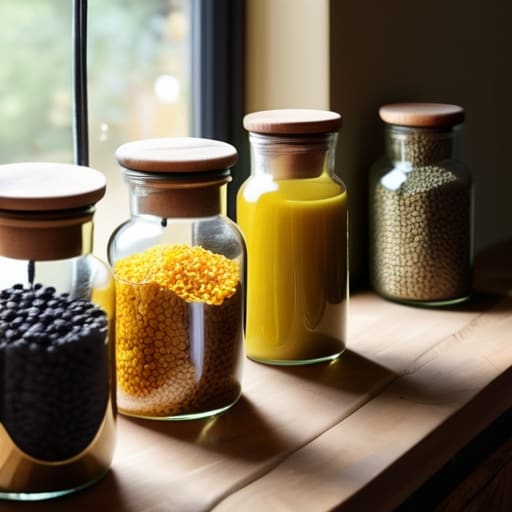
Essential Pantry Staples for Endless Meal Possibilities
We’ve all been there: it’s 7:00 PM, you’re exhausted from a day of back-to-back meetings, and you realize you have absolutely nothing to eat. You stare into the fridge, find a lonely jar of pickles, and realize you’ve fallen into the trap of thinking you need a gourmet grocery haul just to survive the week. I used to think a well-stocked kitchen meant a mountain of specialty spices and organic grains I’d never actually use, but my experience living in tiny apartments taught me otherwise. Real efficiency isn’t about having everything; it’s about having the right pantry staples to always have on hand so you can actually feed yourself when life gets messy.
I’m not going to give you a list of expensive, niche ingredients that will just sit in your cupboard gathering dust. Instead, I’ve narrowed it down to seven functional, versatile items that serve as the ultimate safety net for your kitchen. These are the building blocks that will turn a handful of random ingredients into a real meal without requiring a trip to the store or a massive budget. Let’s get into the stuff that actually moves the needle on your weekly meal prep.
The Dry Pasta Lifesaver
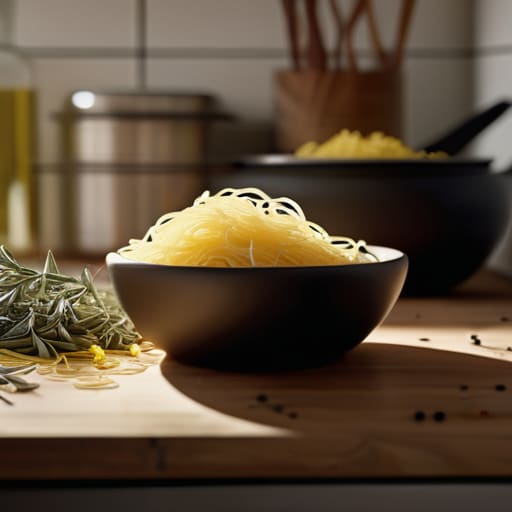
Let’s be real: there will be nights when you get home, look at your empty fridge, and just want to give up. In those moments, a box of dried pasta is your best friend. It’s cheap, it lasts forever in the cupboard, and it requires almost zero brainpower to prepare. I don’t care if it’s a fancy linguine or just the basic spaghetti you bought on sale; it’s the ultimate safety net.
Beans, the Budget Protein
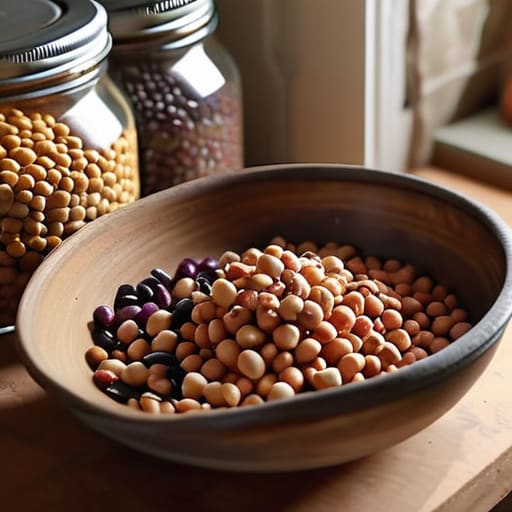
If you’re trying to keep your grocery bill from spiraling, canned beans are non-negotiable. Whether it’s chickpeas, black beans, or cannellini, these little guys are the unsung heroes of a functional kitchen. They provide the protein you need to stay focused during a long workday, and they don’t require any prep work beyond opening a lid.
Grains That Actually Fill You Up
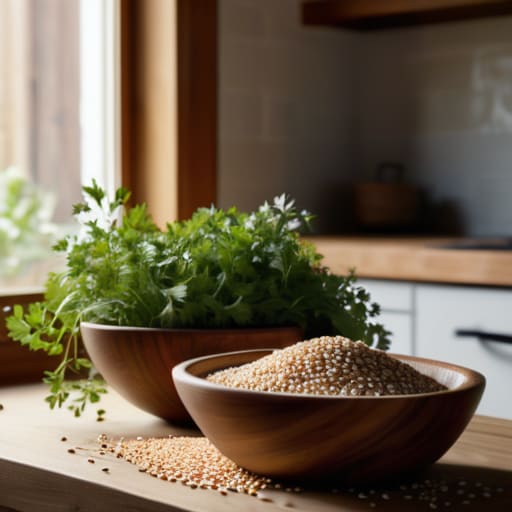
Rice and quinoa are the foundation of almost every “emergency” meal I make. I’m not talking about those tiny, expensive little pouches that claim to be “superfoods”—just get a decent bag of long-grain rice or a bulk bag of quinoa. These grains are the perfect canvas for whatever random leftovers you happen to have in the fridge.
The Magic of Canned Tomatoes
A can of crushed or diced tomatoes is basically a cheat code for flavor. If you have a base of tomatoes, you can turn almost any random vegetable or protein into a cohesive meal. It’s the quickest way to move from “eating ingredients” to actually eating a dish.
Versatile Cooking Oil
Don’t get caught up in the trend of buying ten different specialty oils that you’ll only use once. You really only need one or two high-quality options that do the heavy lifting. A solid extra virgin olive oil is my absolute must-have for everything from sautéing to finishing a dish with a little extra richness.
The Flavor Foundation (Broth)
I used to buy those tiny cartons of broth that cost a fortune, only to have half of them go bad in the fridge. Now, I stick to bouillon cubes or better yet, better-than-bouillon jars. They take up almost zero space in a cramped pantry, but they add a massive amount of depth to anything you’re simmering.
Long-Lasting Aromatics
I know, I know—onions and garlic aren’t technically “shelf-stable” in the same way a can of beans is, but they are essential. I keep a small basket of onions and a few heads of garlic in a cool, dark spot. They are the starting point for almost every savory thing I cook.
The Bottom Line
Don’t aim for a gourmet pantry; aim for a functional one that keeps you from ordering takeout when you’re exhausted.
Focus on versatile basics that can be combined in different ways rather than buying single-use ingredients you’ll never use again.
Build your stock slowly and incrementally so you aren’t hitting your bank account with one massive, overwhelming grocery haul.
The Real Purpose of a Pantry
A well-stocked pantry isn’t about having a Pinterest-perfect collection of artisanal oils; it’s about building a safety net so that when your day falls apart, your dinner doesn’t have to.
Nadia Halloway
The Bottom Line
Look, I know the idea of a “perfectly curated pantry” feels overwhelming, especially when you’re staring at a chaotic kitchen after a long workday. But you don’t need a color-coordinated spice rack or a hundred different exotic grains to make this work. It really just comes down to having those core building blocks—the pasta, the beans, the grains, and the versatile seasonings—that can turn a handful of random ingredients into an actual meal. The goal isn’t to become a gourmet chef overnight; it’s about building a reliable safety net so that a sudden craving or a late night doesn’t result in an expensive, unhealthy takeout order.
At the end of the day, these staples are just tools to help you reclaim a little bit of control when things get hectic. Don’t stress if your pantry looks a little mismatched or if you’re missing a few items on this list. Just pick two or three things this week and make it a habit to restock them as soon as they run low. Systems are only useful if they are actually sustainable, and a small, consistent inventory is much better than a massive, expensive haul that just sits there collecting dust. You’ve got this.
Frequently Asked Questions
How do I know when these items are actually going bad if they have a long shelf life?
Look, I’ve definitely been guilty of letting a bag of lentils sit in the back of the cupboard until it looked more like a science project than food. Here’s my rule of thumb: trust your senses. If it smells off, looks dusty, or has actual bugs (yeah, it happens), toss it. For things like pasta or grains, check for weird lumps or moisture. If you’re unsure, when in doubt, throw it out. It’s not worth the food poisoning.
Is it worth buying the name brands, or should I just stick to the store versions to save money?
Honestly? Most of the time, the store brand is a total win. For things like salt, sugar, or canned beans, I’m not paying an extra dollar just for a shiny label—the ingredients are basically identical. However, I do splurge on name brands for things where the texture or flavor actually matters, like olive oil or good coffee. If the store version tastes like cardboard, it’s not worth the “savings.” Stick to basics for the rest.
How much of each item should I actually keep on hand so I'm not wasting space in a small kitchen?
Look, I get it—the last thing you need in a tiny kitchen is a mountain of bulk-buy boxes gathering dust. Don’t go overboard. For things like pasta or rice, aim for one “active” bag and maybe one backup. For cans, keep three or four of your go-tos. If you’re staring at a cupboard that’s more inventory than actual cooking space, you’ve gone too far. Keep it lean so you can actually breathe.
Can I swap some of these out if I have specific dietary restrictions or picky eaters?
Absolutely. Please, don’t feel like you have to follow my list to the letter. If you’re gluten-free or have a kid who treats broccoli like a personal insult, swap things out. Use quinoa instead of pasta, or grab some canned chickpeas if beans aren’t your thing. The whole point of a pantry system is to make your life easier, not to add another layer of stress or “rules” to your kitchen. Make it work for you.