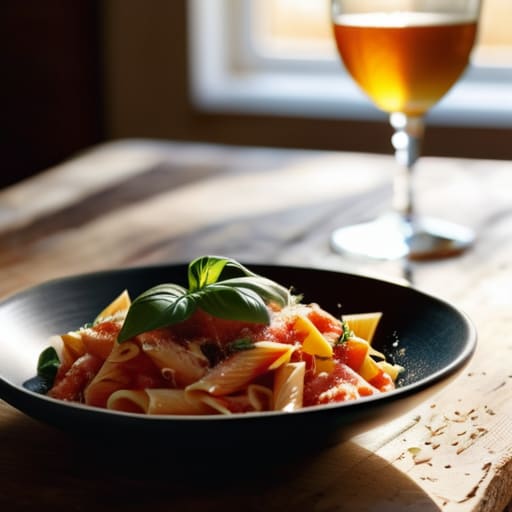
Inexpensive Meals That Feel Like a Treat
I am so tired of seeing those “budget meal” videos where someone spends forty dollars on organic microgreens and artisanal sourdough just to claim they’re saving money. Let’s be real: most of that aesthetic cooking content is just expensive marketing in disguise. When I was living in that tiny, cramped apartment with nothing but a hot plate and a dream, “budget friendly meals” didn’t look like a Pinterest board; they looked like a bag of lentils, some wilted spinach, and a lot of strategic seasoning. I don’t care about the perfect kitchen setup or the fancy gadgets—I care about actually eating without draining my savings account every Tuesday.
I’m not here to give you a list of impossible recipes that require a trip to three different specialty grocery stores. Instead, I want to share the low-stakes systems I’ve built over years of freelancing and tight budgets to make sure I’m fed even when my brain is fried. We’re going to focus on repeatable, dead-simple frameworks that prioritize nutrition and sanity over presentation. No fluff, no expensive ingredients, and absolutely no “aesthetic” nonsense—just real food that works when life gets messy.
Low Cost Grocery Shopping Tips That Actually Stick
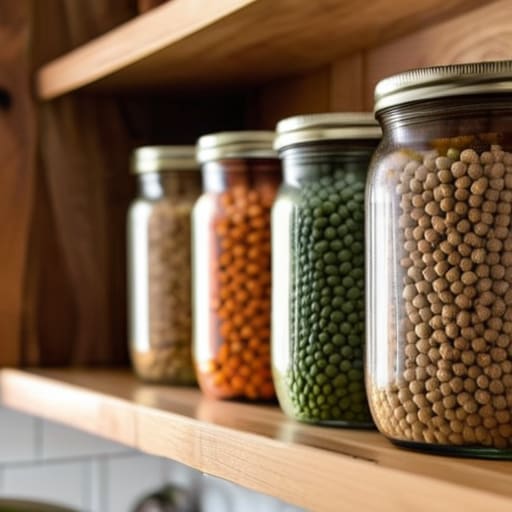
First off, let’s kill the myth that you need to spend three hours every Sunday meticulously portioning out Tupperware containers to be successful. If you’re anything like me, that level of intense meal prepping for beginners feels more like a chore than a solution. Instead, I focus on building a reliable pantry foundation. I’m talking about the boring stuff—oats, lentils, canned beans, and frozen veggies—that you can grab when you’re too tired to think. When your cabinets are stocked with these basics, you aren’t just saving money; you’re creating a safety net for those chaotic Tuesday nights when the temptation to order takeout is at an all-time high.
The second thing I’ve learned is that the grocery store is designed to make you overspend. To fight back, I try to shop by inventory, not by impulse. Before I even step foot in the aisle, I check what I already have so I’m not buying a third jar of cumin just because it was on sale. I also lean heavily into bulk cooking strategies that actually make sense for a single person or a small household. Making a massive pot of chili or a big batch of grain bowls isn’t about being a chef; it’s about ensuring you have a decent, low-effort meal ready to go when life gets messy.
Eating Well on a Tight Budget Without the Burnout
The biggest mistake I see people make is treating “eating well” like a high-stakes performance. We see these aesthetic, color-coded meal prep videos on social media and think we need to spend our entire Sunday afternoon portioning out organic quinoa into glass containers just to be successful. Honestly? That is a fast track to burnout. If you try to implement a massive lifestyle overhaul on a Tuesday when you’re already exhausted from work, you’re going to fail. Instead, I’m a huge advocate for low-stakes systems—things like having three go-to pantry staple recipes that you can whip up in fifteen minutes without even looking at a cookbook.
The goal isn’t to be a chef; it’s to be prepared. I’ve found that bulk cooking strategies are much more sustainable than intense, single-day meal prepping. I don’t spend six hours prepping every single ingredient for the week. Instead, I’ll cook a massive batch of grains or roast two trays of seasonal veggies while I’m already making dinner. This way, I’m building a “buffet” of components that I can mix and match throughout the week. It keeps things from feeling like a chore and ensures you aren’t reaching for the expensive takeout menu the second your energy dips.
The "No-Stress" Pantry Playbook: 5 Ways to Eat Without Breaking the Bank
- Stop buying “recipes” and start buying “components.” Instead of hunting for specific ingredients for a fancy Tuesday night pasta, buy versatile staples like dried lentils, grains, and canned tomatoes. If you have a base of versatile ingredients, you can pivot your meal based on whatever is on sale that week without feeling like you’ve failed a culinary test.
- Embrace the “Double-Batch” rule. My biggest mistake early on was cooking one meal at a time. Now, if I’m making chili or a grain bowl, I make twice as much. It costs the same amount of time and energy, but it buys me a “free” lunch or dinner on a day when I’m too drained to even look at a stove.
- Become a master of the frozen aisle. There is a weird stigma around frozen veggies, but let’s be real: they are often more nutritious than the “fresh” stuff that’s been sitting in a truck for a week, and they won’t rot in your crisper drawer while you forget they exist. Frozen spinach, peas, and corn are your best friends when money is tight.
- The “Shop Your Pantry” audit. Before you even step foot in a grocery store, spend ten minutes looking at what you actually have. That half-box of pasta and the random tin of tuna in the back of the cupboard aren’t just clutter; they’re your next meal. Building your shopping list around what you already own is the easiest way to slash your weekly bill.
- Keep a “Low-Stakes” meal list. We all have those nights where the brain just shuts off. Instead of defaulting to expensive takeout because you’re exhausted, keep a list of three 10-minute meals that require zero brainpower—think avocado toast, quesadillas, or even just a really good bowl of oatmeal. Having a plan for your lowest-energy moments saves your budget and your sanity.
The Bottom Line: Systems Over Perfection
Stop trying to cook five-star meals on a Tuesday; aim for “good enough” systems like batch-cooking one versatile base ingredient that can pivot between different flavors all week.
Forget the rigid, Pinterest-perfect meal plans that fall apart the moment you have a long workday; build a rotating list of 5-7 reliable, low-effort meals that you can cook on autopilot.
Focus your money on high-impact staples that actually keep you full, rather than chasing every trendy “superfood” that eats up your grocery budget without much nutritional ROI.
The Real Goal of Budget Eating
“Forget the Pinterest-perfect meal prep containers and the organic grocery hauls that break the bank; real food security is just about building a few reliable, low-effort systems that keep you fed when you’re too tired to think.”
Nadia Halloway
Let’s Keep It Real
Look, I know how it feels when you start the week with these great intentions and end it by staring blankly at a delivery app because you’re too tired to even think about a recipe. But the goal here isn’t to become a master chef or a meal-prepping machine overnight. It’s about finding those tiny, repeatable wins—like buying the versatile staples, shopping with a loose plan, and choosing low-stakes meals that don’t require a mountain of dishes. If you can just master a few basic systems that work when you’re exhausted, you’ve already won the battle against the unnecessary stress of expensive, unplanned takeout.
At the end of the day, your worth isn’t measured by how “aesthetic” your pantry looks or how many organic, artisanal ingredients you can squeeze into your budget. Life is messy, and your eating habits will be too sometimes. Don’t let a single expensive grocery run or a night of frozen pizza make you feel like you’ve failed the system. Just focus on showing up for yourself in small ways whenever you can. Build the habits that actually serve your real, busy life, and let the rest go. You’ve got this.
Frequently Asked Questions
How do I stop wasting money on fresh produce that just ends up rotting in my fridge?
The “buy everything that looks pretty” trap is real. To stop the rot, you have to shop for your actual life, not your ideal self. Before you hit the store, pick two or three versatile veggies that actually last—think carrots, cabbage, or frozen peas. If you do grab something delicate like spinach, commit to eating it in the first 48 hours or toss it straight into a smoothie. Stop treating your crisper drawer like a graveyard for good intentions.
What are some cheap protein sources that don't feel like I'm eating nothing but beans every single day?
I totally get it. The “bean fatigue” is real, and if you’re eating the same lentils every night, you’re eventually going to burn out and just order takeout. For me, it’s all about diversifying the cheap stuff. Eggs are the ultimate MVP—scrambled, boiled, or poached, they’re a lifesaver. I also lean heavily on canned tuna, frozen edamame, and even Greek yogurt. They’re high-protein, low-effort, and keep things from feeling repetitive.
I don't have much time to cook—are there any "low-effort" meal systems for busy weeknights?
Look, I get it. Some days, even deciding what to eat feels like a full-time job. When I’m drowning in client work, I lean on “component cooking.” Instead of complex recipes, I prep two big batches of basics—like roasted veggies and a grain—and then just mix and match them with a protein. It’s not “gourmet,” but it beats the $30 takeout habit. Keep it assembly-only on those high-stress nights. Minimal effort, maximum survival.
How can I meal prep without spending my entire Sunday stuck in the kitchen?
The secret is to stop trying to cook five full recipes at once. That’s a recipe for burnout. Instead, I use “component prepping.” I’ll roast a massive tray of veggies, boil a pot of grains, and prep one protein. That’s it. Now, instead of assembling complex meals, I’m just mixing and matching those building blocks throughout the week. It takes an hour, not an entire Sunday, and it actually leaves you with a life.