The Secret to Making Truly Nutritious Smoothies
Can we please stop pretending that you need a $600 high-speed blender and a cabinet full of exotic, $15 dragon fruit powders just to get a decent breakfast? I am so tired of the “aesthetic wellness” influencers making it look like learning how to make a smoothie requires a degree in nutrition and a massive grocery budget. Most of the time, those complicated recipes are just expensive ways to end up with a kitchen covered in purple sludge and a sense of total burnout before 9:00 AM.
I’m not here to give you a list of superfoods you can’t pronounce; I’m here to give you a system that actually works when your morning is already a dumpster fire. I’m going to show you how to build a reliable, repeatable formula using whatever is actually in your fridge—including that half-used bag of frozen spinach and the bananas that are way too brown to eat. We’re focusing on functional fuel that tastes good and, more importantly, doesn’t take twenty minutes of cleaning to enjoy.
The Essential Nutritional Smoothie Components for Busy Mornings
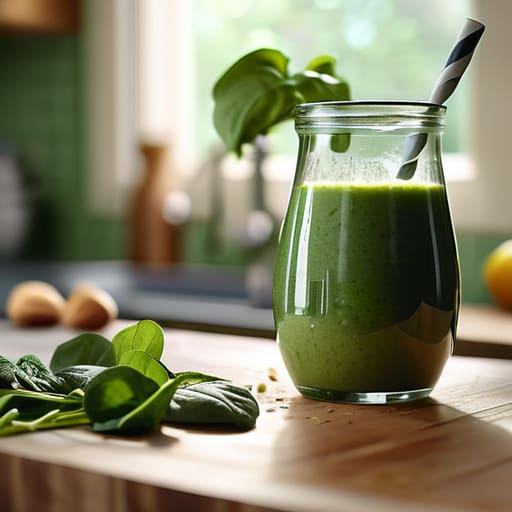
Look, you don’t need a PhD in nutrition to get this right. When I’m staring down a deadline and my kitchen feels like a disaster zone, I don’t reach for a recipe book; I reach for a formula. The goal is to build a foundation of smoothie base ingredients that actually keep you full until lunch. I usually start with a liquid—water, unsweetened almond milk, or even leftover green tea if I need a caffeine nudge—and then toss in a handful of greens. Spinach is my go-to because it disappears into the mix, meaning you get the nutrients without feeling like you’re drinking a lawn.
The real game-changer, though, is how you handle the bulk. If you want to avoid that watery, sad consistency, you have to master the frozen fruit vs fresh fruit debate. My rule of thumb? Always use frozen fruit. It acts like built-in ice, giving you that thick, creamy mouthfeel without diluting the flavor. Finally, if you’re prone to that 10:00 AM energy crash, focus on adding protein to smoothies via Greek yogurt or a scoop of unflavored pea protein. It turns a sugary snack into a legitimate meal that actually supports your brain during a long workday.
Choosing Your Smoothie Base Ingredients Without the Stress
Look, we need to stop treating smoothie prep like a high-stakes chemistry experiment. You don’t need a curated list of expensive powders to get started. When it comes to picking your smoothie base ingredients, I usually stick to whatever is easiest to grab when I’m half-asleep. For me, that’s either a splash of unsweetened almond milk or just plain water if I’m feeling particularly minimal. If you want something creamier, a bit of Greek yogurt works wonders, but don’t feel like you have to overhaul your entire grocery list just to satisfy an Instagram aesthetic.
The real secret to not losing your mind in the morning is the frozen fruit vs fresh fruit debate. Honestly? Go frozen. Not only is it cheaper, but it acts as your built-in ice, which is one of my favorite smoothie texture tips for avoiding that watery, sad consistency. If you use fresh fruit, you’ll end up with a lukewarm juice rather than a thick shake unless you add a handful of ice cubes. Just toss a bag of frozen berries or sliced bananas into the blender and call it a day—it’s efficient, it’s cheap, and it actually works when life gets messy.
5 ways to stop making smoothie-making a chore
- Stop buying pre-packaged smoothie kits. They’re expensive and usually packed with hidden sugar. Just grab whatever fruit is about to go bad in your fridge and throw it in the blender instead. It saves money and prevents food waste.
- Build a “smoothie station” in your freezer. Keep small bags of frozen spinach, berries, and even pieces of banana ready to go. When you’re running late, you shouldn’t be chopping anything; you should just be dumping and blending.
- Don’t get hung up on the “perfect” ratio. If it’s too thick, splash in some water or more milk. If it’s too thin, toss in a spoonful of Greek yogurt or some oats. It’s not a science experiment; it’s fuel.
- Clean your blender immediately. I know, it sounds like a hassle, but if you let that green sludge dry at the bottom of the jar, you’re going to hate yourself (and your kitchen) for the rest of the day. Rinse it while you’re still drinking the smoothie.
- Batch prep your liquid bases. If you know you’re going to have a chaotic week, pre-portion your milk or coconut water into small containers. It removes one more decision from your morning brain, which is already working overtime.
The "Don't Overthink It" Cheat Sheet
Stop hunting for “superfoods” and just use what’s actually in your kitchen; a frozen banana and some spinach are more useful than a bag of expensive acai powder sitting in the back of your pantry.
Build a repeatable formula—protein, fat, and fiber—so you aren’t standing in front of the blender every morning having a mid-life crisis about what to add.
Prep your “smoothie packs” in reusable bags on Sunday night so that when the morning chaos hits, you’re just dumping and blending, not chopping and cleaning.
The Real Secret to a Morning Smoothie
“Stop trying to build a masterpiece every morning. A smoothie isn’t a wellness ritual; it’s just fuel. If you can throw some frozen fruit and whatever greens are looking sad in your crisper drawer into a blender, you’ve already won the day.”
Nadia Halloway
Stop Overthinking the Blender
At the end of the day, making a smoothie isn’t about achieving some Pinterest-perfect swirl of colors or hunting down rare dragon fruit powder. It’s about the basics: getting your greens in, adding a reliable protein source, and choosing a liquid base that doesn’t make you want to gag. You don’t need a ten-step ritual or a pantry full of expensive supplements to make this work. Just remember that the most successful system is the one you actually use when you’re running five minutes late and your brain feels like mush. Keep it simple, keep it functional, and don’t sweat the small stuff.
I know it’s tempting to wait for that perfect, “aesthetic” morning where you have all the time in the world to prep organic ingredients, but life rarely works that way. My goal isn’t for you to become a smoothie connoisseur; it’s for you to build a sustainable habit that feeds you without adding more stress to your plate. If you end up with a brown sludge that tastes decent and keeps you full until lunch, you’ve won. So, grab that half-frozen banana, throw it in the blender, and just start where you are.
Frequently Asked Questions
How do I stop my smoothies from tasting like a liquid salad?
Look, I get it. You’re trying to be healthy, but suddenly you’re drinking blended lawn clippings. The mistake most people make is overcompensating with too many greens before they have a flavor foundation. To fix this, stop treating spinach like the main character. Use a handful of frozen banana or half an avocado for creaminess, and add a pinch of cinnamon or vanilla extract. It masks the “earthiness” without needing a gallon of sugar.
Can I actually prep these ahead of time, or will they just turn into brown sludge by morning?
The short answer? Yes, but don’t just toss everything in a blender jar and leave it on the counter. That’s how you end up with brown sludge.
Is there a way to make these filling enough so I'm not starving an hour later?
The “smoothie hunger crash” is the worst, and honestly, it’s usually because you’ve basically just drunk a glass of fruit sugar. To actually stay full, you need to stop treating your smoothie like a juice and start treating it like a meal. Throw in a solid source of fat or protein—think a tablespoon of almond butter, some chia seeds, or even a scoop of Greek yogurt. It slows down digestion so you aren’t hunting for snacks by 10:00 AM.
What’s the cheapest way to do this without buying a bunch of expensive, single-use supplements?
Look, let’s be real: you don’t need a $60 tub of “superfood powder” to get nutrients. Most of that is just expensive marketing in a fancy jar. The cheapest way to do this is to shop your own pantry and the frozen aisle. Frozen spinach or berries are way cheaper than fresh, and they don’t rot in your crisper drawer. Grab some oats for fiber and peanut butter for protein. Keep it simple.