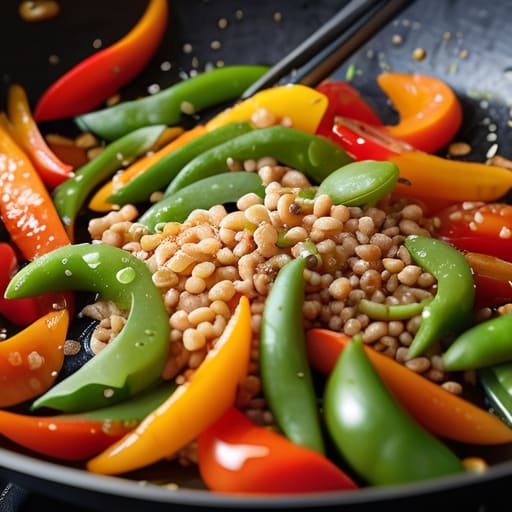
The Best Way to Whip Up a Stir-fry With Pantry Staples
I am so tired of seeing those polished, “aesthetic” cooking videos where someone spends forty minutes prepping exotic ingredients and using a custom-made wok just to show you how to make a stir fry. Honestly, if I see one more recipe requiring a specific type of artisanal soy sauce or a mountain of microgreens, I might actually lose it. Most of those tutorials aren’t teaching you how to cook; they’re teaching you how to perform. When you’re staring at a fridge full of random leftovers at 7:00 PM on a Tuesday, you don’t need a culinary masterpiece—you need a system that actually works without the pretension.
I’m not going to waste your time with complicated techniques or expensive gadgets you’ll never use again. Instead, I’m going to show you my personal, low-maintenance framework for getting a hot, delicious meal on the table in under twenty minutes. We’re going to focus on the essential mechanics—the heat, the order of operations, and the basic flavor profiles—so you can stop overthinking and start eating. This is about making a meal that fits into your real, messy life, not a curated Instagram feed.
Smart Vegetable Prep for Stir Fry Success
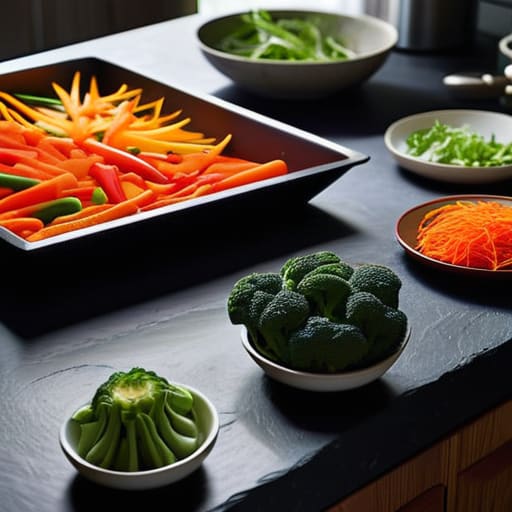
Here is the reality of vegetable prep: if you wait until the oil is smoking in the pan to start chopping, you’ve already lost the battle. I’ve spent way too many evenings staring at a sizzling wok while frantically dicing carrots, only to end up with a burnt mess. The secret to a stress-free meal is doing your vegetable prep for stir fry entirely before you even turn on the stove. I like to use a “size-based” system. Harder veggies like carrots, broccoli stalks, or bell peppers should be sliced thin so they cook at the same rate as the softer stuff.
Don’t get caught up in trying to make everything look like a professional chef’s mise en place. It doesn’t need to be pretty; it just needs to be functional. If your pieces are uniform in size, they’ll cook evenly without turning into mush. I also recommend grouping your ingredients into piles: the “hard” stuff that needs time, the “soft” stuff that goes in last, and your aromatics like garlic and ginger. This way, you aren’t hunting through a messy cutting board while trying to manage high heat cooking methods. Just prep, pile, and go.
Protein Slicing for Stir Fry Efficiency
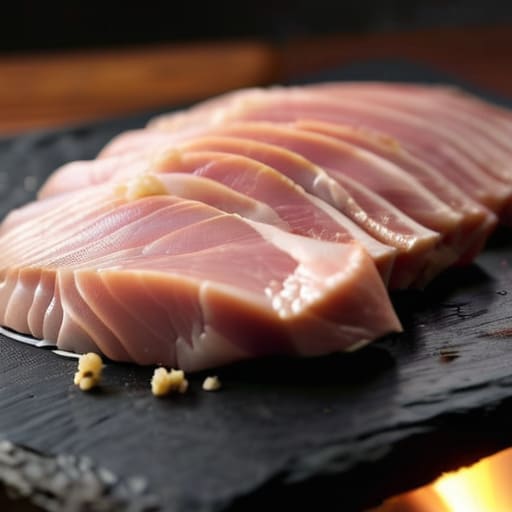
If you’re still cutting your chicken into chunky, uneven cubes, we need to talk. In a fast-paced pan, those uneven pieces are a recipe for disaster—you’ll end up with some parts that are raw in the middle and others that are dry as cardboard. Instead, I swear by protein slicing for stir fry that follows the grain. If you’re using beef or chicken, slice it as thinly as you possibly can against the grain. This doesn’t just ensure everything cooks through in seconds; it also makes the meat much more tender, which is a lifesaver when you aren’t using expensive, high-end cuts.
I also like to keep things simple with my prep. If you’re working with shrimp, just peel them and leave them whole, or if you’re using tofu, press it well first so it doesn’t turn into a mushy mess. The goal here is consistency. When every piece of protein is roughly the same size, they’ll all hit that perfect level of sear at the same time. This allows you to focus on the high heat cooking methods required to get that signature char without constantly hovering over the stove worrying about undercooked meat. Keep it uniform, keep it fast, and keep moving.
The "No-Stress" Assembly Line: 5 Ways to Keep Your Kitchen from Descending into Chaos
- Don’t try to cook and chop at the same time. Trust me, I’ve tried, and it usually ends with me burning the garlic while I’m frantically slicing a bell pepper. Get everything sliced, measured, and sitting in little bowls before you even touch the stove.
- Use a high-heat oil that won’t smoke the second things get interesting. Skip the extra virgin olive oil; it’s too fancy for this. Grab something stable like avocado or canola oil so you can actually get that nice sear without your smoke alarm joining the party.
- Group your ingredients by “cook time” rather than just throwing them in a pile. Hard veggies like carrots or broccoli go in first, then the softer stuff like peppers or snap peas, and finally the aromatics like ginger and garlic at the very end so they don’t turn bitter.
- Keep your sauce separate until the very last minute. If you pour the liquid in too early, you’ll end up boiling your ingredients in a sad, watery soup instead of getting that crispy, high-heat stir fry we’re actually after.
- Embrace the “clean as you go” rule, but keep it realistic. You don’t need a spotless kitchen, but if you can toss your veggie scraps in the bin and rinse your cutting board while the protein is browning, you won’t be staring at a mountain of dishes when you’re finally ready to eat.
The Bottom Line for Stress-Free Stir Fry
Don’t aim for uniform perfection; just make sure your pieces are bite-sized so they cook at the same rate and you aren’t fighting your food with a knife at the table.
Prep everything before you even touch the stove—once that pan gets hot, you won’t have the luxury of searching for the garlic or chopping more onions.
Prioritize the order of operations by cooking your protein first and setting it aside, which prevents it from turning into rubber while you wait for the veggies to soften.
## The Real Secret to a Good Stir Fry
“Stop stressing over uniform dice and professional knife skills; a stir fry is just a high-heat way to use up what’s in your fridge, so just chop it, get it in the pan, and don’t let the pursuit of perfection turn your dinner into a pile of mush.”
Nadia Halloway
The Low-Stress Finish
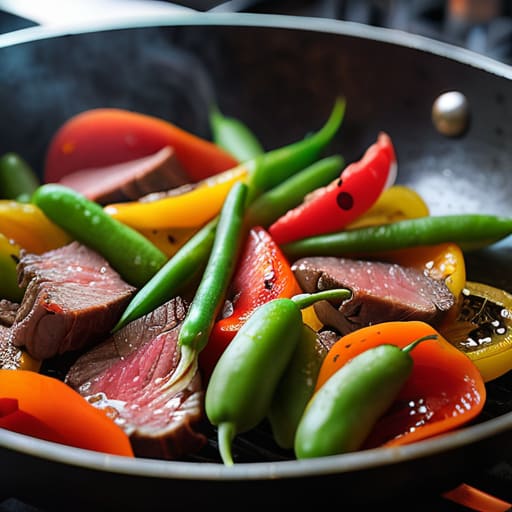
At the end of the day, a great stir fry isn’t about having a professional kitchen or perfectly uniform julienned carrots. It’s really just about the groundwork we did earlier—getting your veggies prepped so they don’t burn while you’re scrambling for the soy sauce, and slicing your protein thin enough so it actually cooks through in a hot pan. If you focus on those two things—smart prep and efficient slicing—you’ve already won half the battle. Don’t sweat the small stuff; if a piece of broccoli is a little too chunky or your sauce is a bit thinner than you wanted, just throw it in a bowl and eat. The goal is a hot, decent meal, not a culinary masterpiece that leaves you with a mountain of dishes and a headache.
I know how it feels when you’re staring at a fridge full of random ingredients at 6:00 PM, feeling like you don’t have the energy to “cook.” But once you realize that stir fry is just a repeatable system rather than a rigid recipe, it becomes your best friend. It’s the ultimate way to use what you have without needing a grocery run or a massive time commitment. Stop waiting for the perfect moment or the perfect set of ingredients to start eating well. Just grab your pan, turn up the heat, and make it happen. You’ve got this.
Frequently Asked Questions
Do I really need to buy a wok, or can I just use my regular heavy skillet?
Honestly? Save your money. Unless you’re planning on cooking for a small army or actually want to master wok hei, a heavy skillet is more than enough. I’ve spent way too much money on “specialty” kitchen gear that just ends up taking up space in my cabinets. If your skillet can hold heat without losing its cool, use it. Just don’t crowd the pan, or you’ll end up steaming your veggies instead of searing them.
How do I stop the vegetables from turning into a soggy mess in the pan?
The secret is simple: stop crowding the pan. If you dump all your veggies in at once, they’ll steam in their own juices instead of searing, and that’s how you end up with a soggy mess. Work in batches. Get the hard stuff like carrots or broccoli in first, pull them out, then do the softer stuff. High heat and space are your best friends here. Keep it moving, keep it hot.
What’s the easiest way to make a sauce that actually tastes good without buying ten different bottles of condiments?
Forget the “authentic” 15-ingredient pastes. You really only need the holy trinity: soy sauce, something sweet (honey or brown sugar works fine), and something acidic (rice vinegar or even lime juice). If you have ginger or garlic in the fridge, toss those in too. It’s not about a complex recipe; it’s about balancing salty, sweet, and sour. Mix it in a jar, pour it in at the end, and call it a win.
Can I prep this all ahead of time, or does it have to be done right before I turn on the stove?
You absolutely can—and honestly, you should. I’m a huge believer in “prep once, eat twice.” Chop your veggies and slice your protein, then toss them into airtight containers. Just keep the sauce in a separate little jar so nothing gets soggy. When you’re tired on a Tuesday night, having everything ready to hit the pan is a total game-changer. It turns a “cooking” task into just a “heating” task.