How to Plate Balanced Meals Without Tracking Calories
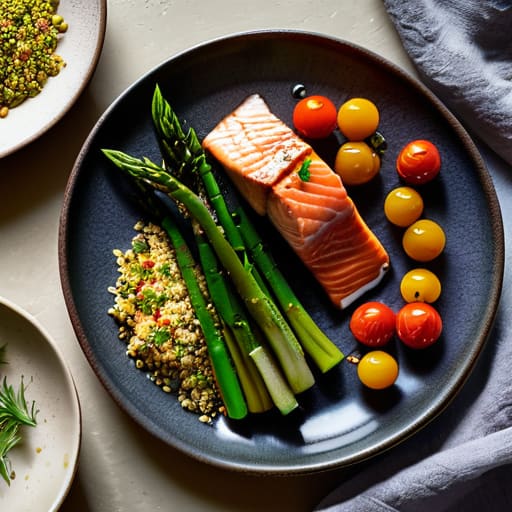
I am so tired of seeing those “aesthetic” meal prep videos where someone spends six hours on a Sunday arranging perfectly color-coded salmon and asparagus into expensive glass containers. Honestly, if I see one more influencer suggest that learning how to build a balanced meal requires a $200 grocery haul and a culinary degree, I might actually lose it. Most of us aren’t living in a curated showroom; we’re living in the real world, trying to figure out what to eat between client calls and laundry loads without spending a fortune or losing our minds.
I’m not here to give you a rigid diet plan or a list of “superfoods” you can’t pronounce. Instead, I want to share the small, repeatable systems I use to keep myself fueled when my schedule goes sideways. We’re going to break down the actual mechanics of a plate—protein, fats, and fiber—in a way that works for a busy, messy life. No fancy gadgets or perfectionism required, just straightforward logic that helps you eat well without making it your entire personality.
The Healthy Plate Method for Real World Living
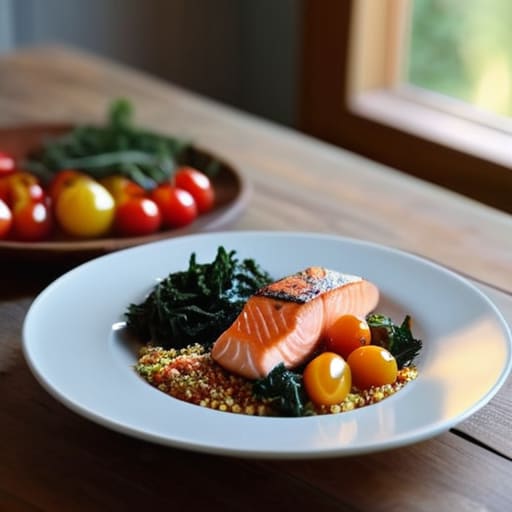
Look, I’m not going to hand you a spreadsheet or a rigid macronutrient distribution guide that requires a kitchen scale and a prayer to follow. That’s not how real life works, especially on a Tuesday when you’ve just finished a ten-hour freelance sprint. Instead, I like to use a simplified version of the healthy plate method that relies on your eyes rather than a calculator. Think of your plate as a visual map: half of it should be filled with whatever colorful veggies you actually enjoy eating, a quarter with protein, and the last quarter with your preferred carbs.
The goal here isn’t perfection; it’s about finding a sustainable protein vegetable carbohydrate ratio that keeps your energy from cratering mid-afternoon. If you’re staring at a pile of pasta, don’t panic. Just toss in a handful of spinach and some canned chickpeas or leftover chicken. It’s about adding the good stuff to what you already have rather than starting from scratch every single night. This approach works because it’s flexible. It’s a system designed to survive a messy kitchen and a busy schedule, ensuring you get the fuel you need without the mental burnout of tracking every single gram.
A Simple Protein Vegetable Carbohydrate Ratio
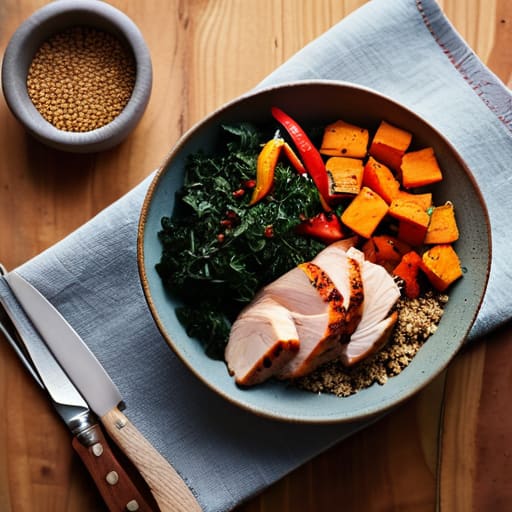
Look, I’m not about to hand you a complex macronutrient distribution guide that requires a calculator and a degree in dietetics just to eat lunch. That’s not sustainable, and honestly, it’s a recipe for burnout. Instead, I like to think in terms of simple visual cues. When I’m staring at a random assortment of ingredients in my fridge at 6:00 PM, I aim for a rough 1:1:2 ratio: one part protein, one part veggies, and two parts complex carbs. It’s not perfect math, but it’s a functional framework that keeps me from crashing mid-afternoon.
The goal isn’t to obsess over every single gram, but to get the protein vegetable carbohydrate ratio roughly in the right ballpark. If you’re leaning too heavily on the carbs, you’ll feel that inevitable sugar slump an hour later. If you skip the greens, you’re missing out on the fiber that actually keeps you full. I’ve found that if I just ensure my plate has a solid foundation of protein and a heavy dose of fiber-rich vegetables, the rest of the meal usually takes care of itself. It’s about building a system that works even when you’re too tired to think.
Five ways to actually eat well without losing your mind
- Stop the Sunday meal prep madness. You don’t need to spend four hours in the kitchen prepping identical Tupperware containers; just prep a few versatile components, like a big batch of roasted veggies or a grain, that you can mix and match all week.
- Keep a “emergency” pantry staple list. When you’re too tired to even think, you need a mental shortcut to a balanced meal—think canned chickpeas, frozen spinach, and quick-cook quinoa. It’s not gourmet, but it’s fuel.
- Don’t aim for perfection, aim for “good enough.” If your meal is 70% on track, call it a win. If you end up with just toast and an avocado, that’s fine. The goal is consistency, not a flawless nutritional scorecard.
- Use the “frozen is fine” rule. Frozen vegetables are often more nutrient-dense than the sad, wilted stuff in the produce aisle, and they won’t go bad in your crisper drawer while you’re busy with work.
- Master the art of the “one-pan” assembly. If it takes more than one pot or pan to clean up, you probably won’t do it on a Tuesday night. Focus on meals that let the oven or a single skillet do the heavy lifting for you.
The bottom line for your next meal
Stop obsessing over perfect macros and just aim for that basic protein-veg-carb split; it’s much easier to maintain when you’re tired.
Use what you actually have in your pantry instead of running to the store for “superfoods” that will just sit in your fridge and rot.
Build a system that works for your messiest days, because a decent meal you actually ate is better than a gourmet one you were too exhausted to make.
## Forget the food pyramids
“Stop trying to engineer a Michelin-star masterpiece every Tuesday night; a balanced meal isn’t about perfection, it’s just about making sure your body has enough fuel to keep up with your actual life.”
Nadia Halloway
Getting started without the headache
At the end of the day, building a balanced meal isn’t about counting every single macro or weighing out portions on a digital scale like a scientist. It’s really just about that simple ratio we talked about: getting a decent hit of protein, some fiber-rich veggies, and enough carbs to actually fuel your brain. If you can nail that basic framework, you’ve already won. You don’t need a pantry full of organic superfoods or a dozen expensive glass containers to make this work; you just need a repeatable system that fits into your actual, chaotic Tuesday night. Focus on the big picture mechanics rather than the tiny, stressful details.
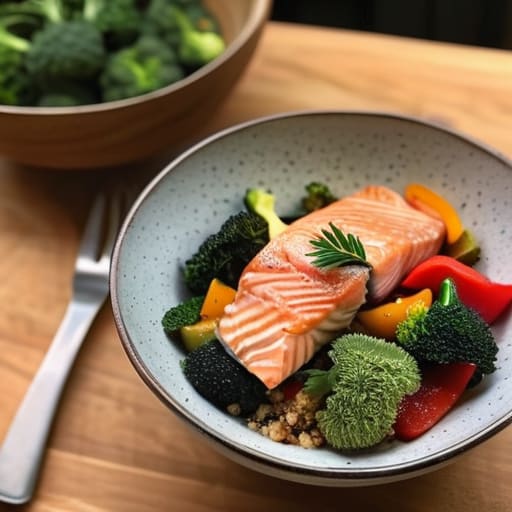
I know how easy it is to fall into the trap of thinking that if you can’t do a perfect Sunday meal prep, you might as well just order takeout. Please, don’t do that to yourself. Perfection is the enemy of actually getting fed. Some days, a balanced meal is a home-cooked salmon bowl, and other days, it’s just a handful of nuts and some pre-washed spinach thrown into a bowl. Both count. Just aim for consistency over intensity, and remember that small wins add up much faster than grand gestures ever will. You’ve got this.
Frequently Asked Questions
What do I do when I have zero time to cook and have to rely on takeout or frozen meals?
Look, we’ve all been there—it’s 8:00 PM, you’re exhausted, and the thought of chopping a single onion feels impossible. When you’re stuck with takeout or frozen stuff, don’t aim for perfection; just aim for balance. If you’re ordering Thai, grab the stir-fry instead of the heavy curry. If it’s a frozen meal, toss in a handful of pre-washed spinach or some canned chickpeas. It’s about making the best of what’s available.
How do I figure out my portions without feeling like I need to carry a kitchen scale everywhere?
Honestly, please put the kitchen scale away. If you start weighing every blueberry, you’re going to burn out by Tuesday. I use my hands—it’s the ultimate low-tech, no-mess system. Your palm is your protein portion, your fist is your veggie serving, and a cupped hand is your carbs. It’s not scientifically perfect, but it’s close enough to work when you’re eating out or too tired to play scientist in your kitchen.
Is it actually okay to eat carbs if I'm trying to keep my energy levels steady throughout the afternoon?
Look, I get it. There’s this massive misconception that carbs are the enemy of productivity. Honestly? If you cut them out entirely, you’re just setting yourself up for a 3:00 PM brain fog that no amount of caffeine can fix. The trick isn’t avoiding carbs; it’s choosing the ones that don’t spike your blood sugar and leave you crashing. Think slow-burning fuel—like oats or sweet potatoes—rather than the sugary stuff that feels good for ten minutes and then disappears.
What are some quick, low-effort protein hacks for when I haven't been to the grocery store in a week?
We’ve all been there—staring into a near-empty fridge on a Tuesday night. When the grocery run hasn’t happened, lean on your pantry staples. Keep canned chickpeas, tuna, or lentils on hand; they require zero prep and zero cooking. If you have eggs, a quick scramble is your best friend. Even a handful of nuts or some Greek yogurt can bridge the gap. It’s not gourmet, but it’s fuel that actually works.