Grocery Budgeting That Actually Works in the Real World
I’m going to say something that might annoy the “aesthetic productivity” crowd: you don’t need a color-coded, multi-tabbed spreadsheet or a $15 subscription to a meal-planning app to master your food spending. Honestly, most of that stuff is just performative organization that falls apart the second you have a stressful Tuesday. I spent years thinking that learning how to make a grocery budget meant living on lentils and staring at receipts in a dark room, but that’s not a system—it’s a recipe for burnout. Real budgeting isn’t about deprivation; it’s about building a framework that survives your actual, messy life.
I’m not here to sell you on a lifestyle of perfection or some impossible standard of “zero waste.” Instead, I want to share the low-maintenance systems I’ve actually used to stop my grocery bills from spiraling out of control. We’re going to skip the fluff and focus on small, repeatable habits—like the “inventory first” rule and the art of the strategic pantry staple—that actually move the needle. Let’s figure out a way to eat well without feeling like you’re constantly fighting your own bank account.
Simple Monthly Food Expense Tracking for Real Life
Look, I know the idea of logging every single head of lettuce into a complex spreadsheet sounds like a nightmare, especially after a long workday. But if you want to actually see where your money is leaking, you need some form of monthly food expense tracking that doesn’t feel like a second job. I stopped trying to track every cent and started grouping my spending into three buckets: groceries, dining out, and those “emergency” convenience snacks. Once I saw that my mid-week takeout habit was eating up 40% of my food budget, I didn’t need a fancy app to tell me why I was broke; I just needed that reality check.
The goal isn’t to achieve mathematical perfection; it’s about finding your baseline. Use a simple note on your phone or even just a dedicated folder in your banking app to jot down the big numbers. This visibility makes reducing food waste a lot easier because you start to realize how much money you’re literally throwing in the trash when you buy ingredients you never actually cook. When you know your number, you can make better calls in the aisle without the guilt trip.
Building Your Foundation With Grocery List Organization
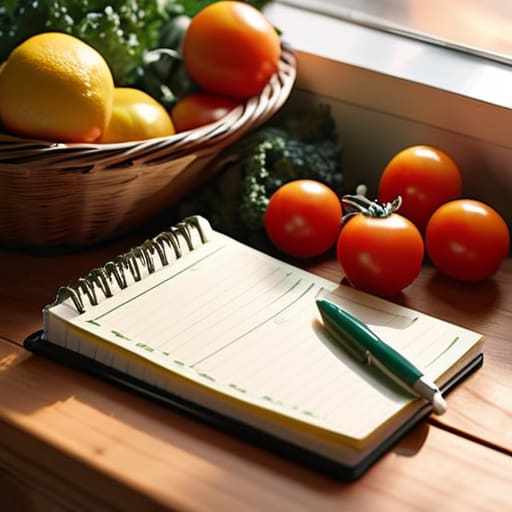
Once you’ve got a rough idea of what you’re spending, it’s time to tackle the actual shopping trip. I used to think a grocery list was just a piece of paper with “milk” and “eggs” on it, but I quickly learned that a chaotic list leads to a chaotic bank account. Effective grocery list organization is really about creating a roadmap so you don’t wander aimlessly down the snack aisle when you’re hungry and tired. I like to group my items by store layout—produce, dairy, pantry—because it keeps me moving through the aisles efficiently instead of backtracking like a lost tourist.
The real magic happens when you connect your list to what you already have in your cabinets. Before you write a single thing down, do a quick “pantry sweep.” This is one of my favorite smart grocery shopping tips because it forces you to see what’s hiding in the back of the cupboard. When you build your list based on what you already own, you’re naturally reducing food waste and preventing that classic moment of buying a third jar of cumin just because you forgot you had two. It’s not about being a gourmet chef; it’s about making sure every dollar you spend actually ends up in your stomach rather than the trash.
5 Small Tweaks to Stop Your Grocery Bill from Spiraling
- Stop aiming for a “perfect” weekly number. Instead, look at what you actually spent over the last month and aim to shave off just 10%. It’s way less intimidating than trying to slash your budget in half overnight.
- Embrace the “Pantry First” rule. Before you even open your notes app, spend ten minutes looking at what’s hiding in the back of your cupboard. If you already have three cans of chickpeas and a box of pasta, that’s your dinner plan right there.
- Shop your sales, not your cravings. I know, it’s not as fun as buying exactly what you want, but if chicken thighs are on sale and broccoli is half-off, that’s what’s going in the cart. Build your meals around the deals, not the other way around.
- Ditch the “convenience tax” where you can. Pre-cut onions and bagged salads are lifesavers when life gets chaotic, but they’re budget killers. If you have an extra five minutes on a Sunday, do the chopping then so you aren’t paying a premium for it on a Tuesday night.
- Keep a “running list” of staples. You know those things you always need—milk, eggs, coffee, salt? Keep a dedicated note on your phone for them. It prevents those frantic, expensive “emergency” trips to the store because you realized you’re out of the basics.
The Bottom Line: Keep It Simple or Don't Do It At All
Stop chasing the perfect spreadsheet; your goal is just to see where the money is actually going, even if you’re just jotting numbers down in a notes app.
A grocery list isn’t just a list of food—it’s your primary defense against impulse buys that wreck your budget mid-week.
Build systems that can survive a bad day, because a budget that requires 100% perfection is a budget that’s going to fail the moment life gets messy.
The Reality Check
“A grocery budget isn’t about restricting yourself to a strict list of bland ingredients; it’s about building a system that’s flexible enough to survive a Tuesday when you’re exhausted and the last thing you want to do is meal prep.”
Nadia Halloway
Don't Let the Spreadsheet Win
Look, we’ve covered a lot here—from tracking your actual spending without losing your mind to organizing your lists so you aren’t wandering the aisles aimlessly. The goal isn’t to become a math whiz or to live on nothing but lentils and rice. It’s really just about having a rudimentary framework in place so that when you’re tired after a long workday, you aren’t accidentally spending fifty bucks on pre-made salads and impulse snacks. Remember, the combination of simple tracking and a functional list is what actually keeps your bank account from taking a hit every single week.
If you mess up and blow your budget on a random Tuesday, please don’t throw the whole system out the window. I’ve been there, usually standing in a grocery aisle feeling like a total failure because I bought the expensive brand of coffee I didn’t need. The secret is to just start again the next morning. A grocery budget isn’t a test you pass or fail; it’s just a tool to help you navigate a messy, unpredictable life. Keep it small, keep it repeatable, and be kind to yourself when things don’t go perfectly. You’ve got this.
Frequently Asked Questions
What do I do when an unexpected trip to the store blows my budget for the week?
First, take a breath. One off-track week isn’t a failed system; it’s just life happening. Don’t try to “make up” for it by starving yourself or skipping meals next week—that’s how you end up impulse-buying takeout later. Instead, just pivot. Look at your remaining days and see what’s already in your pantry. Build a few “scrounge meals” from what you have, and just reset your tracker on Monday. We’re playing the long game here.
Is it better to shop once a week or make smaller, more frequent trips to avoid impulse buys?
Honestly, it’s a trade-off between time and temptation. If you’re the type who walks into a store for milk and leaves with a seasonal candle and three bags of chips, stick to one big weekly trip. It limits your exposure to impulse buys. But, if “big shop” fatigue leads to food waste because you overbuy, try two smaller trips. For me, one solid weekly shop with a strict list is the sweet spot for staying on budget.
How do I account for the "hidden" food costs like household supplies or that extra coffee run?
Look, those “hidden” costs are usually what wreck a budget. I used to ignore them until I realized my paper towels and lattes were eating my grocery fund alive. Don’t try to track every single cent—that’s a recipe for burnout. Instead, create a “buffer category” in your budget. Allocate a set amount for “Household/Misc” each month. If you blow it on coffee, fine; just know it’s coming out of that specific bucket.
Should I be tracking every single receipt, or is there a way to do this without losing my mind?
Honestly? If you try to track every single receipt, you’ll burn out by Tuesday. I’ve been there, and it’s a recipe for quitting. Instead of obsessing over every cent, try tracking your total spend per trip or using a simple “big picture” method. Group your groceries into categories like “staples” versus “treats.” It’s much more sustainable to know you spent $150 on food this week than to lose your mind over a $2.50 receipt for gum.