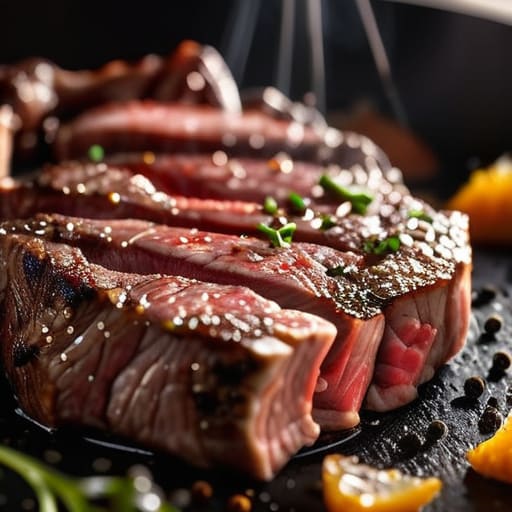
How to Master Seasoning Like a Professional Chef
I am so tired of seeing those “aesthetic” cooking videos where people spend forty minutes meticulously layering exotic, hand-ground spice blends just to make a basic chicken breast look like a work of art. Honestly, if I see one more influencer suggest that you need a $200 spice rack and a degree in chemistry to understand how to season food, I might actually lose it. Most of the time, you’re just trying to get through a Tuesday night without ordering takeout, and the last thing you need is a complicated ritual that feels more like a chore than a meal.
I’m not here to teach you how to cook like a Michelin-star chef; I want to show you how to make things taste actually good without the unnecessary overhead. We’re going to skip the gatekeeping and focus on a few small, repeatable systems that work even when your brain is fried and your kitchen is a mess. I’ll give you the straightforward, no-nonsense basics of salt, acid, and heat so you can stop guessing and start enjoying your dinner.
Building Your Essential Spice Cabinet Staples
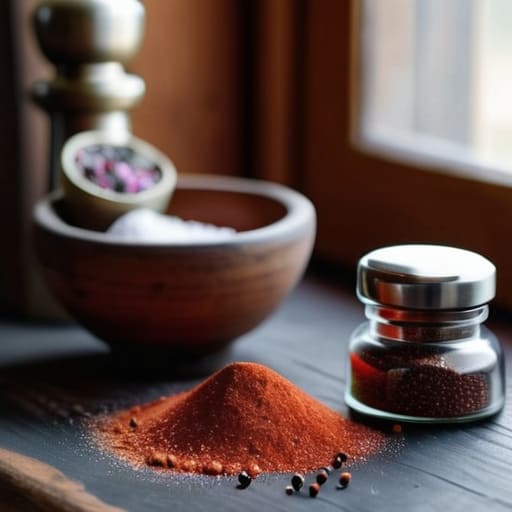
Look, I’ve spent way too much money in my twenties on those massive, pre-organized spice towers that look great on Instagram but contain twenty different kinds of dried parsley you’ll never actually use. We aren’t doing that here. Instead, I want you to focus on building a collection of essential spice cabinet staples that actually work together. Start with the heavy hitters: kosher salt, freshly cracked black pepper, garlic powder, onion powder, and maybe a decent smoked paprika. If you have these, you can turn a boring chicken breast or a pile of roasted vegetables into something that tastes intentional rather than accidental.
The real secret to moving from “just edible” to “actually delicious” is understanding the difference between seasoning and spicing. Seasoning is about enhancing the inherent character of what’s already on the plate—usually through salt—while spicing is about adding new, complex notes. When you start layering flavors in cooking, you aren’t just dumping powder onto a pan; you’re building a foundation. It’s about that slow build, starting with a pinch of salt and ending with a hit of something bright. Keep it simple, keep it functional, and don’t let the fancy glass jars intimidate you.
The Difference Between Seasoning and Spicing
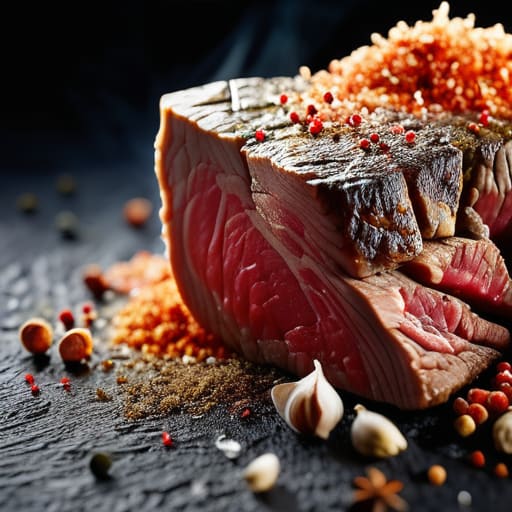
Here is the breakdown that most cookbooks skip over, but it’s actually the most important thing to grasp if you want to stop guessing. To put it simply, the difference between seasoning and spicing comes down to your end goal. Seasoning is about enhancing natural food flavors—it’s the act of making a tomato taste more like a tomato or a steak taste more like a steak. Spicing, on the other hand, is about adding a new, specific personality to the dish. If you’re adding cumin to a lentil soup to give it a warm, earthy vibe, you’re spicing. If you’re adding salt to make those lentils pop, you’re seasoning.
When things taste “flat,” most people instinctively reach for more spices, but that’s usually a mistake. You don’t need more cinnamon; you probably just need more salt or a squeeze of lemon. A huge part of my workflow in the kitchen is balancing salt, acid, and fat. If a dish feels heavy, add acid (like vinegar or lime). If it feels dull, add salt. If it feels aggressive or sharp, add a little fat. Think of seasoning as the foundation that holds everything up, while spicing is the decor you add once the structure is solid.
My low-effort rules for seasoning without the stress
- Salt as you go, not just at the end. If you wait until the food is on the plate to add salt, you’re just masking the flavor. If you sprinkle it in while you’re actually cooking, the flavor gets built into the ingredients. It’s a small shift that makes a massive difference.
- Keep your seasonings within arm’s reach. I learned this the hard way while trying to meal prep in a tiny kitchen—if I have to dig through a crowded pantry every time I need cumin, I’m just not going to do it. Keep your most-used stuff in a small, accessible spot on the counter.
- Don’t fear the acid. Sometimes a dish tastes “flat” and you keep adding salt, but it still feels like something is missing. Usually, it’s not salt you need; it’s acid. A squeeze of lemon or a tiny splash of vinegar can wake up a heavy meal better than a whole extra teaspoon of salt ever could.
- Use your nose as a guide. I know it sounds a bit “chef-y,” but honestly, it’s just practical. If you’re adding dried herbs and you can’t smell them, they’ve probably gone stale. There is no point in wasting time and money on spices that have lost their punch.
- Stop chasing the “perfect” blend. You don’t need a recipe for a complex dry rub every time you cook. Most of the time, a solid hit of salt, a bit of heat (like red pepper flakes), and something savory (like garlic powder) is all you need to make a decent meal when you’re exhausted.
The "low-effort" seasoning cheat sheet
Don’t wait until the meal is finished to realize it’s bland; season in layers as you cook so the flavors actually build instead of just sitting on top.
You don’t need a 50-piece spice rack to make things taste good—start with the basics like salt, pepper, and one versatile blend, then expand only when you actually find yourself reaching for something new.
If a dish tastes “off,” it usually needs acid (like a squeeze of lemon or a splash of vinegar) or salt, not more heavy spices; use these as your quick-fix tools when you’re too tired to follow a recipe.
The real secret to flavor
Stop trying to memorize complex spice ratios like you’re in a culinary school exam; seasoning is really just a constant, tiny conversation between you and your food to make sure it doesn’t taste flat.
Nadia Halloway
Stop Overthinking the Spice Rack
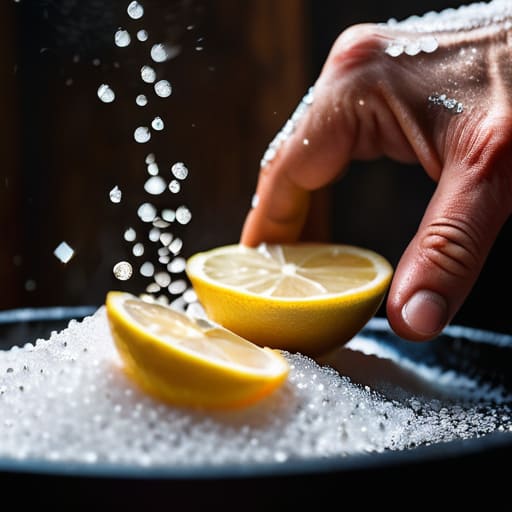
At the end of the day, seasoning isn’t about following a complex blueprint or owning a thirty-piece spice set that you’ll only use once a year. It’s about understanding that salt and acid are your best friends, and that having a few reliable staples on hand is way more effective than chasing every new trend. We talked about building a functional cabinet and the crucial distinction between adding heat and building flavor, but the real takeaway is that you don’t need to be a chef to make things taste good. Just keep it simple: salt your water, season your proteins, and don’t be afraid to taste as you go.
I know how it feels when you’re staring at a pan of unseasoned chicken after a long workday, feeling like cooking is just one more chore on an endless to-do list. My advice? Lower the bar. You don’t need a gourmet meal; you just need something that tastes intentional. Perfection is the enemy of a good dinner, and honestly, a little extra pepper can fix almost anything. Focus on these small, repeatable habits instead of grand culinary gestures. Once you master the basics, you’ll realize that cooking isn’t about being flawless—it’s just about making life a little bit more delicious, one pinch at a time.
Frequently Asked Questions
How do I know if I've added too much salt or spice without ruining the whole meal?
We’ve all been there—you take a bite and realize you’ve gone way too heavy on the red pepper flakes. Before you toss the whole pan, try a little “rescue mission.” If it’s too salty, add something acidic like a squeeze of lemon or a splash of vinegar to balance it out. If it’s too spicy, reach for some fat—dairy, avocado, or even a dollop of Greek yogurt works wonders. Don’t panic; just adjust.
Is there a specific order I should follow when adding seasonings so they don't burn or clump?
Think of it like building a foundation. I always start with the “hard” stuff—salt and pepper—right at the beginning. Salt actually helps draw out moisture and builds flavor from the inside out. Next, toss in your dried herbs or woody spices (like rosemary or cumin) so they have time to bloom in the oil. Save the delicate, powdery stuff like garlic powder or dried basil for the last few minutes; otherwise, they’ll burn and turn bitter.
Can I use dried herbs instead of fresh ones, or will the flavor be totally different?
Short answer: Yes, you absolutely can. Long answer: The flavor is different, but that doesn’t mean it’s bad—it’s just more concentrated and less “bright.” Think of dried herbs as a way to add depth, while fresh herbs are like the finishing touch. My rule of thumb? Use dried herbs at the start of cooking so they can rehydrate in the heat, and save the fresh stuff for the very end.
How do I season meat properly so it doesn't end up bland on the inside?
The biggest mistake I see is treating seasoning like a final step rather than a process. If you just sprinkle salt on top right before eating, you’re only flavoring the surface. To avoid that bland center, you need to season early. Salt your meat at least thirty minutes before cooking—or even the night before if you have the headspace. This lets the salt penetrate the fibers, seasoning the meat from the inside out.