
How to Take Breaks That Truly Refuel Your Brain
I’m so over the “wellness” influencers telling you that the only way to reset is by booking a silent meditation retreat or spending forty dollars on a specialized breathing app. Honestly, if I see one more person suggest that a “soul-cleansing” hour of yoga is the secret to how to take better breaks, I might actually lose it. When you’re juggling freelance clients and a mounting pile of laundry, you don’t have an hour—and you definitely don’t have the budget for a lifestyle overhaul. Most productivity advice feels like it was designed for people with zero actual responsibilities, leaving the rest of us just scrolling through TikTok while our brains slowly turn to mush.
I’m not here to sell you a brand-new routine that you’ll abandon by Tuesday. Instead, I want to talk about building tiny, messy-life-proof systems that actually work when your schedule is falling apart. We’re going to look at realistic, five-minute micro-habits that help you reclaim your focus without needing a complete life redesign. This isn’t about perfection; it’s about finding small, repeatable wins that keep you from hitting a wall before lunch.
Ditch the Grand Gestures for Micro Breaks for Focus

We’ve all been there: you decide that today is the day you’ll finally master a rigid, hour-long meditation session or take a full hour for a midday yoga flow. Then, a client email hits, or your laundry pile starts staring you down, and suddenly that “perfect” wellness routine feels like just another chore on an impossible to-do list. I used to think I needed these massive resets to stay sane, but honestly? They were too big to actually stick to. Instead of aiming for those grand, unsustainable gestures, I started leaning into micro-breaks for focus. These are those tiny, thirty-second to five-minute windows where you just stop. It’s not about a lifestyle overhaul; it’s about catching yourself before your brain hits a wall.
The real magic happens when you stop treating rest as an all-or-nothing event and start looking at active vs passive breaks. A passive break is scrolling through Instagram—which, let’s be real, usually just leaves me feeling more drained. An active break is much more effective for mental fatigue recovery. It’s standing up to stretch, refilling your water, or even just staring out the window for a minute. These small interruptions act as a pressure valve, letting off just enough steam to keep you from redlining. You don’t need a scheduled retreat; you just need a system that works when life gets messy.
Why Your Brain Needs Real Mental Fatigue Recovery
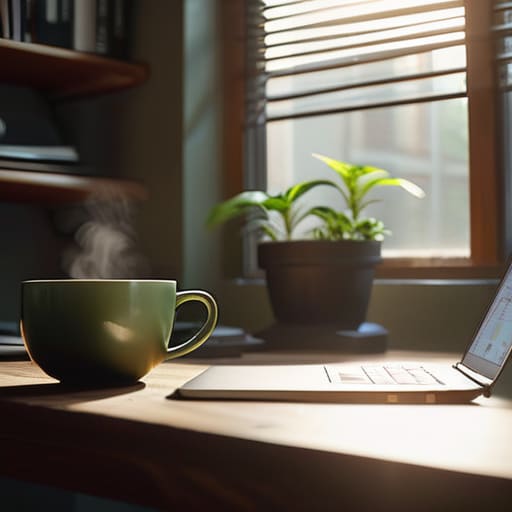
Look, I used to think that pushing through a headache was just part of the freelance grind. I’d sit there, staring at a spreadsheet until the numbers started blurring, convinced that if I just stayed in the chair, I was being “productive.” But here’s the truth: you aren’t actually working; you’re just performing exhaustion. When you hit that wall of brain fog, your ability to make even simple decisions starts to tank. That’s not a lack of willpower; it’s a physiological signal that your brain is running on empty and desperately needs mental fatigue recovery.
The problem is that most of us treat rest like a reward we have to earn after a massive win, rather than a necessary maintenance task. If you wait until you’re completely fried to step away, you’ve already lost the battle. Instead of viewing downtime as “lost time,” think of it as a way of preventing burnout at work before it actually sidelines you for a week. You need to understand the difference between active vs passive breaks—sometimes you need to stare at a wall, and sometimes you need to move your body. The goal isn’t to find more time to work; it’s to find more energy to actually do the work that matters.
Five ways to actually reset without losing your momentum
- Stop scrolling as a break. I know, it feels like relaxing, but your brain is still processing a massive stream of information. If you’re staring at a screen to “rest,” you’re just trading one type of digital fatigue for another. Put the phone in a drawer and just look at a wall for a second—or better yet, a plant.
- Use the “sensory shift” trick. If you’ve been hunched over a laptop in a silent room, your break should involve a different sense. Step outside to feel the wind, grab a hot cup of coffee to feel the warmth, or put on one single song you love. It breaks the cognitive loop of whatever task you were stuck on.
- Set a “low-bar” timer. Don’t commit to a 30-minute yoga session; you won’t do it when things get busy. Instead, commit to three minutes of standing up and stretching your hip flexors. It’s small, it’s repeatable, and it’s much harder to talk yourself out of.
- Hydrate, but make it a ritual. Instead of mindlessly sipping lukewarm water while you work, make the act of getting a fresh glass of water your official “transition” signal. It forces you to physically leave your desk and move your body, which is half the battle.
- Create a “no-work zone” in your house. Even if you live in a tiny studio, designate one chair or one corner where you never, ever check email or look at a spreadsheet. When you sit there, your brain learns that this is the safe space where the “doing” stops and the “being” starts.
The TL;DR on not burning out
Stop waiting for a vacation to reset; aim for tiny, five-minute micro-breaks throughout the day to keep your brain from hitting a wall.
Real rest means actually stepping away from the screen—scrolling through TikTok is just more digital noise, not a break.
Build systems that work even when your day goes sideways, because a rigid schedule is the first thing to break when life gets messy.
The myth of the "all-or-nothing" reset
Stop waiting for a week-long vacation to fix your burnout. Real productivity isn’t about the grand escapes; it’s about the tiny, unglamorous moments where you actually give your brain permission to stop spinning for five minutes.
Nadia Halloway
Stop waiting for the "perfect" time to reset
Look, we’ve covered a lot of ground here, but if you walk away with nothing else, just remember this: productivity isn’t about white-knuckling your way through an eight-hour grind. It’s about recognizing that your brain is a finite resource, not an infinite well. Whether you’re implementing those tiny micro-breaks to keep the fog at bay or finally acknowledging that true mental fatigue requires more than just scrolling through TikTok, the goal is the same. You aren’t looking for a lifestyle overhaul; you’re just trying to build small, repeatable systems that keep you from hitting a wall by 2:00 PM.
I know it feels counterintuitive to step away when the to-do list is screaming at you, but trust me, the work will still be there when you get back. In fact, it’ll probably be easier to tackle. Don’t wait for a massive burnout to force a reset; start small, start messy, and start today. You don’t need a dedicated meditation room or a high-end wellness subscription to reclaim your focus. You just need to give yourself permission to step away for five minutes. Let’s stop chasing that impossible standard of perfection and just focus on what actually works when life gets loud.
Frequently Asked Questions
What if I’m in the middle of a deep work flow and don't want to lose my momentum?
I get it—the “flow state” feels sacred, and the thought of breaking it feels like sabotage. But here’s the reality: momentum isn’t a straight line; it’s a wave. If you white-knuckle it through the exhaustion, you’re just building a debt you’ll have to pay back with a massive crash later. Instead of a full stop, try a “micro-pivot.” Stand up, stretch for sixty seconds, or grab water. It’s a tiny reset that keeps the engine running without overheating.
How do I actually track these micro-breaks without it becoming another annoying chore on my to-do list?
Look, if tracking your breaks feels like a second job, you’re doing it wrong. I used to try those complex time-tracking apps, but they just added to my mental clutter. Instead, keep it low-tech. Use a physical tally counter on your desk or just a simple habit tracker with dark mode. Honestly? Even a single rubber band on your wrist that you move to your other arm after a break works. If it’s not frictionless, ditch it.
Are there specific things I should avoid doing during a break so I don't end up more drained?
Look, the biggest mistake I see is “productive procrastination.” If your break consists of scrolling through TikTok or checking emails, you aren’t resting; you’re just switching one type of mental input for another. Your brain is still processing data, which means it’s still working. Avoid anything that involves a screen or high-speed decision-making. If you wouldn’t do it while working, don’t do it while you’re trying to recharge.
Does it actually matter if I take my breaks at the same time every day, or should I just go with the flow?
Look, I’m a huge fan of flexibility, but there’s a sweet spot here. If you’re “going with the flow” and only breaking when you’re already hitting a wall, you’ve already lost the battle. You aren’t resting; you’re recovering from a crash. Try to build a loose rhythm—maybe a coffee break at 10:00 and a quick walk at 2:00. It’s not about being a robot; it’s about training your brain to expect relief.