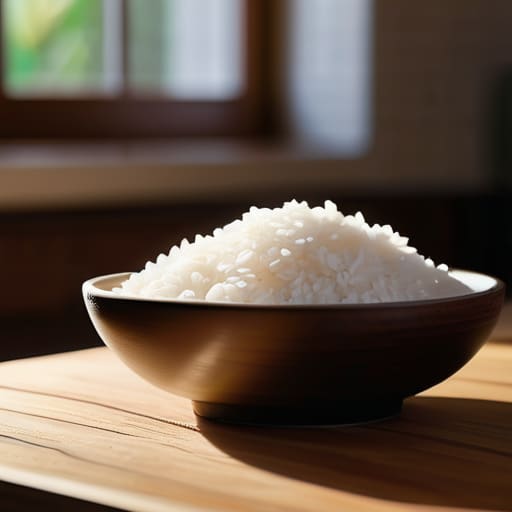
How to Get Perfect, Fluffy Rice Every Time
I used to think that if I wanted to master how to cook rice perfectly, I needed one of those high-tech, $200 smart cookers that practically does the thinking for you. Honestly? That’s just more clutter in a kitchen that’s already too small. I spent way too many years in cramped apartments watching “aesthetic” cooking influencers use specialized rinsing bowls and precise gram scales, only to end up with a pot of mushy, sad grains that felt like a personal failure. It’s exhausting when even a basic staple feels like it requires a PhD in culinary engineering just to get through a Tuesday night.
I’m not going to give you a list of expensive gadgets or a complicated ritual that falls apart the moment you have a deadline looming. Instead, I’m sharing the small, repeatable system I actually use when my life is chaotic and I just need a reliable meal. We’re going to strip away the hype and focus on the simple ratios and basic techniques that actually work. This isn’t about perfection; it’s about having a consistent result every single time, no matter how messy your kitchen gets.
Why Rinsing White Rice Is Your Non Negotiable First Step
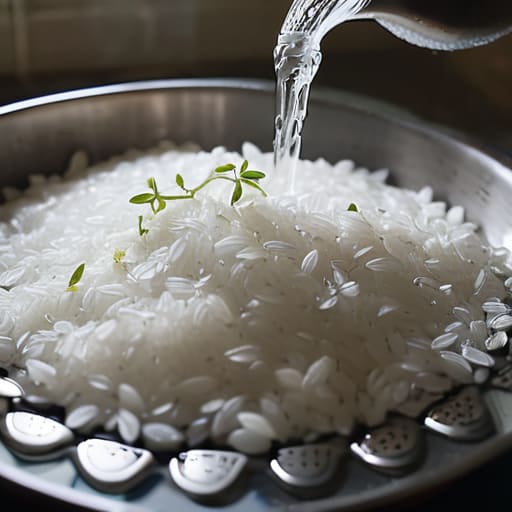
Look, I know it feels like just another chore on an already long list of things to do, but rinsing white rice is the one step you shouldn’t skip if you want to save yourself from a kitchen disaster. When you open a bag of rice, it’s coated in a fine, powdery layer of surface starch. If you just toss it straight into the pot, that starch turns into a literal glue as it heats up. That’s exactly how you end up with a gummy, clumpy mess instead of those distinct, fluffy grains we’re actually aiming for.
I used to think I could skip this step when I was rushing to get dinner on the table, but I always ended up avoiding mushy rice by learning the hard way. It’s not about being precious or fancy; it’s about a simple, repeatable system. By swirling the rice in a bowl of cool water and draining it a few times until the water runs clear, you’re essentially stripping away the excess starch that ruins the texture. It’s a tiny bit of extra effort that makes a massive difference in the final result, especially when you’re cooking jasmine rice and want that fragrant, clean finish.
Mastering the Rice to Water Ratio Without the Guesswork
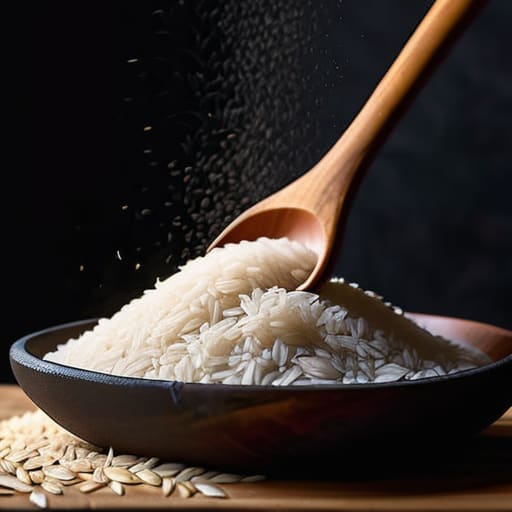
Look, I get it. Most recipes give you these hyper-specific measurements that feel more like a chemistry lab experiment than a Tuesday night dinner. But if you’re looking for a way to stop stressing over every milliliter, you need to stop thinking about perfection and start thinking about ratios. Whether you’re cooking jasmine rice or a standard long-grain variety, the golden rule is usually a 1:1.5 or 1:2 ratio. If you use too much water, you end up with a gummy, sad mess; if you use too little, you’re eating crunchy pebbles.
The real secret to avoiding mushy rice isn’t a fancy digital scale—it’s about learning the visual cues of your specific pot. If you’re using a heavy-bottomed saucepan, you can usually rely on that standard ratio, but if you’re working with a thin pot that runs hot, you might want to lean slightly lighter on the liquid. Once the water hits a boil and you drop the heat to a low simmer, cover it and leave it alone. Resist the urge to lift the lid every five minutes to “check on it.” Every time you peek, you lose the steam that’s actually doing the heavy lifting.
Five low-stress ways to level up your rice game
- Stop hovering. Once you’ve got your ratio right and the lid is on, just walk away. Constant peeking lets the steam escape, and that’s exactly how you end up with a pot of crunchy, uneven grains.
- Give it a rest. I know it’s tempting to scoop it out the second the timer goes off, but let that pot sit, lid on, for at least ten minutes. It lets the moisture redistribute so the bottom layer isn’t a mushy mess.
- Ditch the fork. If you stir rice while it’s cooking, you’re going to break the grains and end up with something closer to porridge than fluffy rice. Use a wooden spoon or a rice paddle only once it’s finished and rested.
- Season as you go. Don’t just rely on salt at the end. Throwing a tiny bit of oil or a bay leaf into the water while it simmers adds a layer of flavor that makes a simple side dish feel like an actual meal.
- Check your equipment. If you’re using a pot with a loose-fitting lid, you’re fighting a losing battle with evaporation. If your lid is finicky, grab a piece of foil to seal the gap before putting the lid on to keep that steam locked in.
The "Keep It Simple" Summary
Stop overthinking the gear; a standard pot and a consistent water-to-grain ratio will beat a fancy gadget every single time.
Don’t skip the rinse—it’s the one small, repeatable step that keeps your rice from turning into a gummy, starchy mess.
Focus on the system, not perfection; if the rice is a little dry or a little soft one night, just adjust your ratio next time and keep moving.
The philosophy of the perfect grain
“Forget the high-tech gadgets and the ‘perfect’ kitchen setups; great rice isn’t about expensive equipment, it’s about mastering a few tiny, repeatable habits that hold up even when you’re exhausted and running on fumes.”
Nadia Halloway
Getting it onto the plate
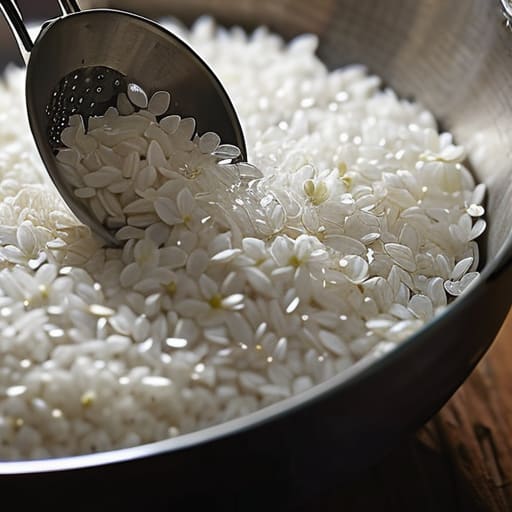
At the end of the day, cooking great rice isn’t about owning a $200 smart cooker or following a rigid, scientific formula. It really just comes down to two things: taking thirty seconds to rinse away that excess starch so your grains don’t turn into a gummy mess, and getting your water ratio dialed in so you aren’t left with either a crunchy disaster or a soggy bowl. Once you have those two small, repeatable habits down, you stop guessing and start actually enjoying your meal. It’s about building a reliable system that works every single time, even when you’re exhausted and just want to eat.
Don’t let the fear of a “failed” batch keep you from experimenting with different grains or flavors. Cooking should be a tool that serves your life, not another high-stakes chore on your to-do list. If the rice comes out a little too wet one night, just scoop out the excess and move on—life is too messy to stress over a single pot of grain. Focus on the small wins, keep your kitchen functional, and remember that even the most imperfect meal is a victory when it fuels you for the day ahead. You’ve got this.
Frequently Asked Questions
What if I accidentally add too much water halfway through—is there a way to save it?
Panic, I know—it’s that sinking feeling when you realize the pot looks more like a soup than a side dish. If you catch it halfway through, don’t keep cooking it. Just lift the lid and carefully drain the excess water out. If it’s already mostly cooked but mushy, your best bet is to spread it out on a baking sheet and pop it in a low oven for a few minutes to dry it out.
Do I really need to wait for it to rest, or can I just scoop it out as soon as the timer goes off?
Look, I get it. When you’re hungry and the timer dings, the instinct is to dive in immediately. But if you want to avoid that gummy, clumped-together mess, you really do need to let it rest. Just leave the lid on for about ten minutes. It lets the moisture redistribute so the grains stay fluffy instead of mushy. Think of it as a tiny, low-effort system for better results. It’s worth the wait.
Can I use the same ratio for brown rice, or am I going to end up with something crunchy and weird?
Short answer: No. If you use the white rice ratio for brown rice, you’re going to end up with something crunchy, weird, and honestly, pretty frustrating to eat. Brown rice has that tough outer bran layer, so it needs more water and more time to actually soften up. Think of it as a longer, slower process. Aim for about a 1:2 ratio and give it some extra patience—it’s worth the wait.
Is it worth buying a rice cooker, or can I actually get consistent results just using a regular pot?
Look, I’m all for efficiency, but you don’t need a $200 gadget to get decent rice. If you have a heavy-bottomed pot and a lid that actually fits, you’re golden. A rice cooker is basically just a “set it and forget it” luxury for when you’re too tired to watch the stove. But if you master the ratio and heat control in a regular pot, you’ll save money and counter space. Stick to the pot; it works.