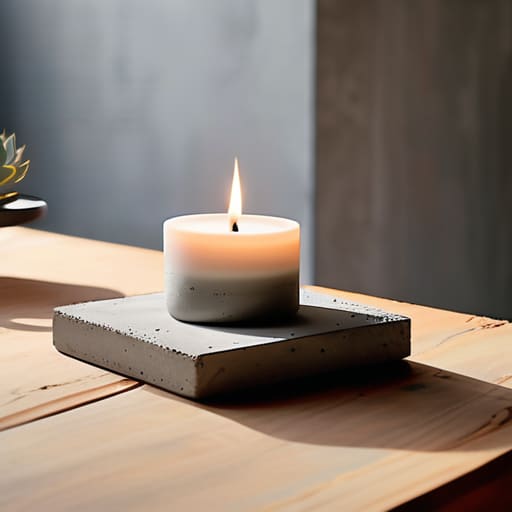
Modern Concrete Diy Projects That Are Cheap to Make
I’ll be the first to admit it: I used to think DIY meant spending an entire Saturday covered in glitter and expensive supplies just to end up with something that looked like a middle school art project. We’ve all seen those perfectly curated “aesthetic” tutorials that make home decor look easy, but they usually require a massive amount of time and a budget that most of us just don’t have. I wanted something more grounded—projects that feel intentional but don’t turn my tiny apartment into a construction zone. That’s why I started experimenting with more industrial, forgiving materials. I realized that exploring different concrete craft ideas isn’t about achieving some unattainable level of perfection; it’s about creating sturdy, functional pieces that actually stand up to the chaos of real life.
In this post, I’m breaking down seven of my favorite ways to use concrete to level up your space without breaking the bank. We’re skipping the fluff and focusing on simple, repeatable projects that you can actually finish in a single evening. From organizational tools for your desk to small accents for your shelves, these ideas are designed to be low-maintenance and high-impact. Let’s get into it.
Minimalist Desk Organizers
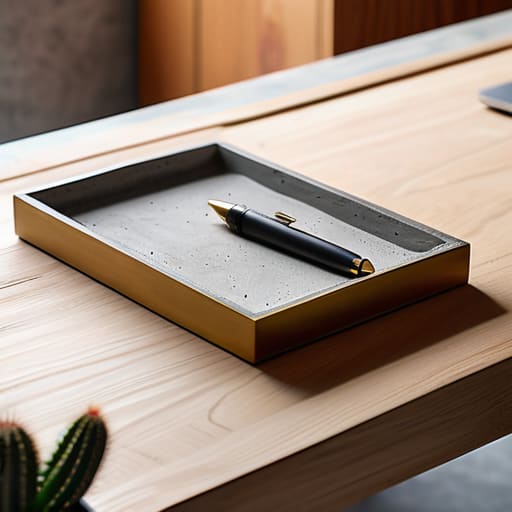
If your workspace looks like a graveyard for pens and paperclips, you don’t need a fancy $50 organizer from a big-box store. I started making my own small concrete trays using old yogurt containers or even sturdy cardboard boxes as molds. It’s a way to create a functional system for your desk that actually stays put because, let’s face it, concrete isn’t going anywhere once it sets.
Low-Maintenance Succulent Planters
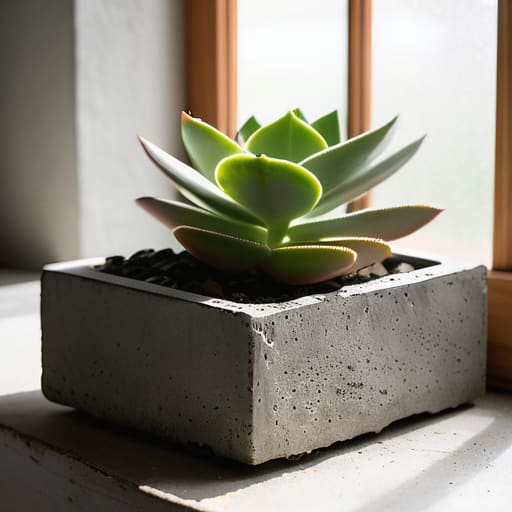
I’ve spent way too much money on ceramic pots that eventually crack or look too “precious” to actually use. Concrete planters are the ultimate solution for anyone who wants greenery without the high-maintenance aesthetic. They have a heavy, grounded feel that looks great on a windowsill, and they are incredibly forgiving if you happen to be a little heavy-handed with the watering can.
Brutalist Candle Holders
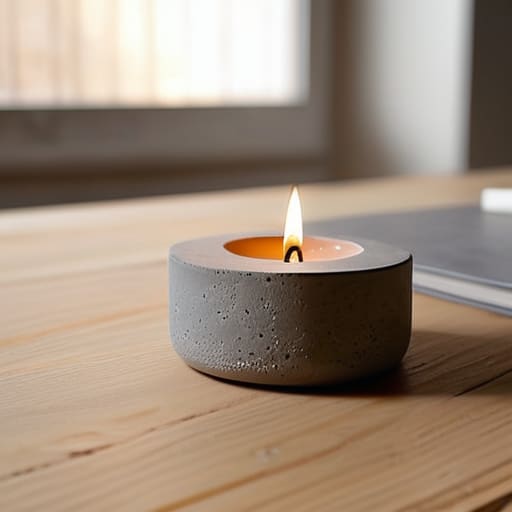
Most scented candles I find online come in glass jars that feel a bit flimsy and cheap. I love making heavy concrete bases for tea lights or tapered candles because they add a sense of permanence to a room. It’s a quick project that you can finish in an afternoon, making it perfect for when you have a small window of productivity between freelance calls.
Textured Coasters for Daily Use
We all have those coffee stains on our wooden surfaces because we forgot a coaster existed. I started casting concrete coasters because they are practically indestructible and act as a solid barrier between your morning caffeine and your furniture. Unlike cork or fabric, you can just wipe these down and they’re good to go.
Simple Incense Holders
If you use incense to help reset your headspace after a long work session, you know how annoying it is to find a holder that actually works. A simple concrete slab with a small hole drilled or poked into it is all you really need. It’s a minimalist approach to a ritual that usually feels way too complicated.
Weighted Bookends for Small Shelves
Living in a smaller space means your bookshelves are often packed to the brim, and things tend to slide around. I found that making my own concrete bookends was much more effective than buying those flimsy plastic ones. Because concrete is naturally heavy, it provides the structural stability you need to keep your collection organized and upright.
Catch-all Trays for Entryway Chaos
You know that pile of keys, wallets, and sunglasses that inevitably accumulates on your entryway table? I dealt with that by casting a larger concrete catch-all tray. Instead of letting the chaos dictate the vibe of your home, you give those items a designated landing zone.
The Bottom Line
Stop chasing the “perfect” look; focus on creating small, functional pieces that actually serve a purpose in your space.
Don’t let the fear of a messy process stop you—concrete is forgiving, and a little imperfection actually makes it feel more real.
Start with the basics and cheap materials rather than buying a whole studio’s worth of gear you’ll only use once.
## The Reality of DIY
“Forget the idea that your concrete projects need to look like they belong in a high-end boutique catalog. The real win isn’t a flawless finish; it’s creating something functional and sturdy that actually fits into your life without requiring a PhD in interior design to maintain.”
Nadia Halloway
The Bottom Line on Concrete
At the end of the day, whether you’re casting a simple succulent planter or tackling a more ambitious desk organizer, the goal isn’t to create a museum-quality piece of art. We’ve looked at everything from minimal coasters to functional trays, and the common thread is that these projects work because they are low-stakes and high-reward. You don’t need a professional studio or a massive budget to make something that adds a bit of texture to your space. Just grab a few molds, some quick-set mix, and let the process be as messy as it needs to be. The real win here is creating functional decor that actually serves a purpose in your daily routine rather than just collecting dust on a shelf.
If you’re feeling a bit intimidated by the idea of working with a material that dries fast and doesn’t care about your mistakes, just remember that perfection is overrated. I spent years trying to make my home look like a curated Pinterest board, only to realize that the most lived-in, soulful spaces are the ones where things are a little bit imperfect. Concrete is forgiving, and so should you be. Don’t let the fear of a lumpy finish stop you from starting. Just pick one small project, embrace the grit, and see what happens. You might just find that the best way to settle into your space is by building it yourself, one small batch at a time.
Frequently Asked Questions
Do I really need a professional mixer, or can I just get away with using a kitchen bowl and a sturdy spoon?
Honestly? You can totally skip the professional mixer. I’ve spent way too much money on “essential” gear that just gathers dust in my small kitchen. A sturdy bowl and a heavy-duty spoon (or even a cheap silicone spatula) will do the job just fine for small projects. Just don’t expect to mix a massive batch of cement by hand without a serious arm workout. Start small, save your cash, and see how it feels first.
How do I stop my concrete projects from looking like dusty, gray lumps and actually make them feel intentional in my space?
Honestly, the “dusty gray lump” look usually happens when you skip the finishing steps. To make them look intentional, you have to seal them. A good matte sealer stops that chalky residue and gives the piece a professional weight. Also, don’t be afraid to sand them down with high-grit sandpaper for a smoother finish. If it feels too industrial, pair it with something warm—like a wooden base or a brass accent—to balance the vibe.
What’s the best way to seal concrete so it doesn't leave annoying white rings on my wooden thrifted tables?
Honestly, those white rings are the worst, especially on a piece you’ve worked hard to restore. For thrifted wood, skip the heavy-duty industrial sealants. I usually go with a high-quality paste wax or a matte polyurethane. It creates a solid moisture barrier without making the table look like it’s covered in plastic. Just make sure the surface is bone-dry and clean before you apply it. Consistency is key—thin, even layers beat one thick, messy one every time.
Is it worth buying expensive pre-mixed bags, or am I better off just mixing raw cement and sand myself to save a few bucks?
Honestly? If you’re just starting out, grab the pre-mixed bags. I know, I know—it feels like paying a “convenience tax,” but nothing kills my momentum faster than a batch of DIY cement that’s too gritty or won’t set because the ratio was off. Save the manual mixing for when you’re doing a large-scale project. For small decor pieces, the consistency of pre-mixed saves you the headache and the wasted materials.