Stress-free Weeknights With These Make-ahead Meals
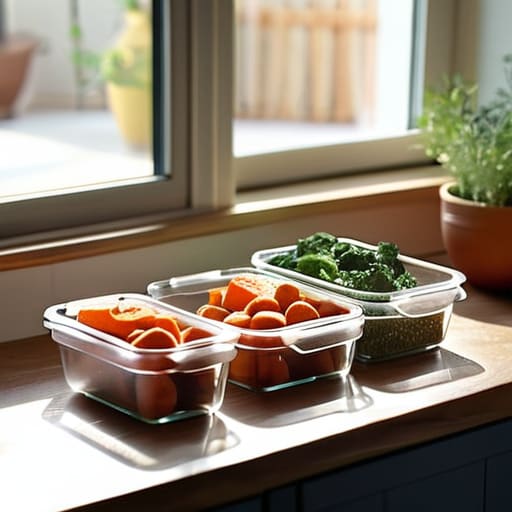
I’m so tired of seeing those “aesthetic” meal prep videos where people spend six hours on a Sunday color-coding glass containers filled with perfectly cubed sweet potatoes and steamed kale. Honestly, if I see one more person suggest that the secret to a productive week is buying a $50 set of matching Tupperware, I might actually lose it. Real life isn’t a Pinterest board; it’s usually a chaotic scramble between client calls and trying to remember if I actually fed myself lunch. We need to stop treating make ahead meals like a high-stakes performance art piece and start treating them like the survival tool they actually are.
I’m not here to give you a list of complex recipes that require a culinary degree and a pristine kitchen. Instead, I want to share the low-stakes, repeatable systems that actually work when my schedule goes sideways and my energy is at zero. We’re going to focus on functional food prep—the kind of stuff you can throw together in twenty minutes using whatever is in your pantry—so you can spend less time hovering over a stove and more time actually living your life.
Weekly Meal Planning for Beginners That Actually Sticks
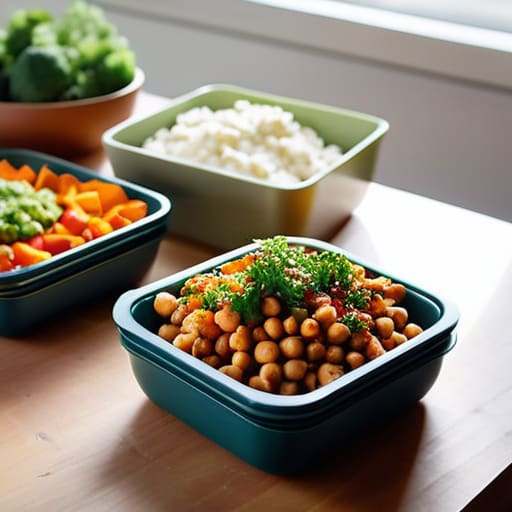
Look, I’ve tried the whole “Sunday afternoon marathon” where I spend four hours in a flour-dusted kitchen prepping twenty identical Tupperwares. It’s exhausting, and by Wednesday, I’m staring at my fridge wishing I’d just ordered takeout. If you’re looking into weekly meal planning for beginners, my biggest piece of advice is to stop trying to be a Michelin-star chef on your day off. Instead, aim for modular planning. Don’t cook full recipes; just cook components. Roast a big tray of veggies, boil a pot of grains, and cook two different proteins. This way, you aren’t stuck eating the exact same flavor profile every single day, and you can pivot based on what you’re actually craving.
The goal isn’t perfection; it’s reducing the number of decisions you have to make when you’re hungry and tired. I’ve found that focusing on healthy grab and go lunches is the easiest way to start. If you can grab a pre-portioned container of Greek yogurt and fruit or a quick grain bowl on your way out the door, you’ve already won half the battle. Keep it simple, keep it flexible, and for the love of everything, don’t overcomplicate it.
Budget Friendly Meal Prep Ideas for Real Life
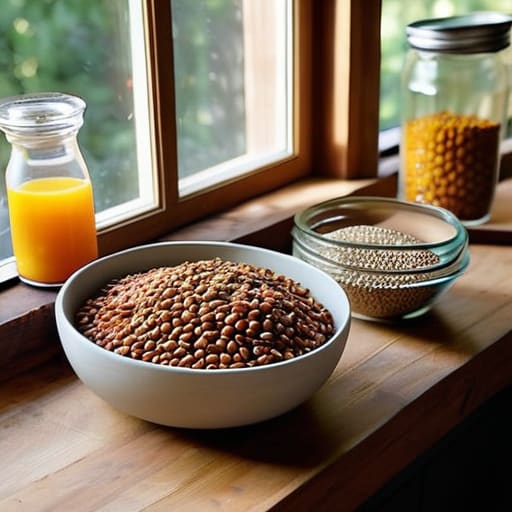
Look, I get it. You want to eat well, but you also don’t want to spend your entire Sunday—and your entire grocery budget—on a single meal. The biggest mistake I see people making is trying to buy every “superfood” on the list. Instead, I lean heavily into budget friendly meal prep ideas that rely on pantry staples. Think big batches of lentils, dried beans, or a massive bag of rice. These are incredibly cheap, they last forever, and they form the backbone of almost everything I eat. If you buy in bulk and focus on versatile ingredients, you’re not just saving money; you’re building a system that actually survives a busy week.
Another way to keep costs down is to stop treating every meal like a gourmet event. I’m a big fan of the “component method.” Instead of making complex recipes, I just roast a giant tray of seasonal veggies and cook a large portion of protein. This makes assembling healthy grab and go lunches during the week feel less like a chore and more like a quick assembly line. If you find yourself with leftovers that feel a bit overwhelming, don’t toss them. Use some cheap meal prep containers for freezing to tuck them away for a rainy day. It’s all about making sure nothing goes to waste.
5 Low-Stakes Ways to Prep Without Losing Your Mind
- Stop trying to cook five different recipes on a Sunday. It’s exhausting and it’s why people quit. Instead, just prep “building blocks”—think a big batch of roasted sweet potatoes, some shredded chicken, or a jar of pickled onions. You can mix and match them all week so you aren’t eating the exact same bowl of mush every single day.
- Invest in a few decent glass containers, but don’t go overboard. I learned the hard way that having forty mismatched plastic tubs just creates more clutter. Get a small set of versatile ones that actually stack well in a cramped fridge; if it doesn’t save space, it’s not helping you.
- Embrace the “component” method over the “full meal” method. Making a massive lasagna is great, but if you don’t finish it, you’re stuck with leftovers for a week. It’s much easier to prep components—like a big pot of grains or a tray of veggies—that you can grab and throw together in five minutes when you’re staring blankly at the fridge at 7:00 PM.
- Use your freezer as a safety net, not an afterthought. If you realize you made way too much chili, don’t let it sit in the fridge until it goes bad. Portion it into individual servings immediately and freeze them. Those “emergency meals” are lifesavers on the nights when your brain is fried and you’re too tired to even think about cooking.
- Don’t aim for perfection; aim for “good enough.” If your meal prep looks a little messy or you didn’t use organic kale because it was too expensive, who cares? The goal is to have something edible and easy that keeps you from spending $25 on mediocre takeout just because you were too tired to decide what to eat.
The Bottom Line
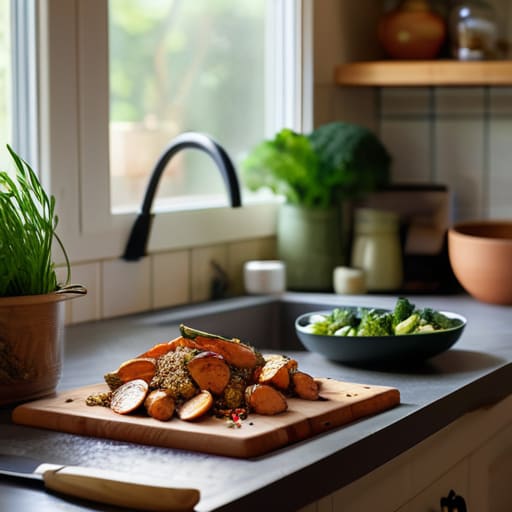
Stop aiming for a full week of perfect Tupperware containers; start by just prepping one or two versatile components, like a big batch of grains or roasted veggies, that can save you when you’re too tired to cook.
Forget the expensive, aesthetic meal prep kits—use whatever mismatched containers you already have in your cupboard to keep things functional and low-cost.
Build systems that account for your worst days, not your best ones, by ensuring your “make-ahead” plan includes easy, low-effort options for when life inevitably gets chaotic.
My Philosophy on Food
Forget those Pinterest-perfect containers and the five-hour Sunday marathons; meal prepping isn’t about being a chef, it’s just about making sure ‘Future You’ isn’t staring blankly into a fridge at 7:00 PM on a Tuesday.
Nadia Halloway
The Bottom Line
At the end of the day, meal prepping isn’t about having a fridge full of perfectly uniform, color-coordinated glass containers that look like they belong in a Pinterest board. It’s about the small, unglamorous wins: having a container of roasted veggies ready when you’re too tired to chop anything, or knowing you’ve already tackled the grocery shopping so Tuesday doesn’t feel like a mountain. Whether you’re sticking to a strict weekly plan or just tossing some extra protein into a bowl on a random Sunday, the goal is to build systems that serve you, not chores that drain you. Just remember that progress is better than perfection, especially when you’re working with a tight budget or a tiny kitchen.
If you find yourself slipping up and ordering takeout three nights in a row, don’t sweat it. Life is messy, and sometimes the best “system” is just knowing how to reset without the guilt. You don’t need to overhaul your entire lifestyle or buy a dozen expensive gadgets to make this work; you just need to start with one small, repeatable habit that feels manageable. Take it one meal at a time, keep it simple, and focus on what actually moves the needle for your energy and your wallet. You’ve got this.
Frequently Asked Questions
How do I keep things from tasting like cardboard after three days in the fridge?
The “cardboard” problem usually comes down to two things: air and moisture. If you’re using those flimsy, cheap plastic containers, stop. Invest in decent glass ones with airtight seals; it’s a small upfront cost that saves your sanity. Also, don’t dress your salads or add sauces until you’re actually ready to eat. Keeping things dry and sealed tight is the difference between a meal that feels fresh and one that feels like a chore.
Is it actually worth the time to prep everything on Sunday, or should I just cook small batches throughout the week?
Honestly? It depends on how much your brain can handle on a Sunday. If the idea of spending four hours in the kitchen feels like a chore, don’t do it. You’ll just end up ordering takeout by Wednesday. I’ve found that “component prepping” is the sweet spot: roast a big batch of veggies and cook some grains, then just toss them together with different proteins throughout the week. It’s much more sustainable.
What are some ways to meal prep without spending a fortune on a bunch of matching glass containers?
Honestly? Stop looking at those aesthetic glass container sets on Instagram. They’re a money pit. I used to think I needed a matching set to be “organized,” but it’s just clutter. Just use whatever you have. Old deli containers, mismatched Tupperware from the back of the cupboard, or even just large reusable silicone bags work fine. As long as it’s airtight and keeps your food from getting sad in the fridge, you’re winning.
How do I stop getting "food boredom" from eating the same three things every single day?
The trick isn’t buying more groceries; it’s about “component prepping” instead of “meal prepping.” Stop making five identical chicken bowls. Instead, prep a big batch of roasted veggies, one versatile protein, and a grain. Now, you have building blocks. Monday is a grain bowl with tahini; Tuesday is a quick stir-fry with soy sauce; Wednesday is a wrap. You’re eating the same ingredients, but the flavor profiles change so your brain doesn’t check out.