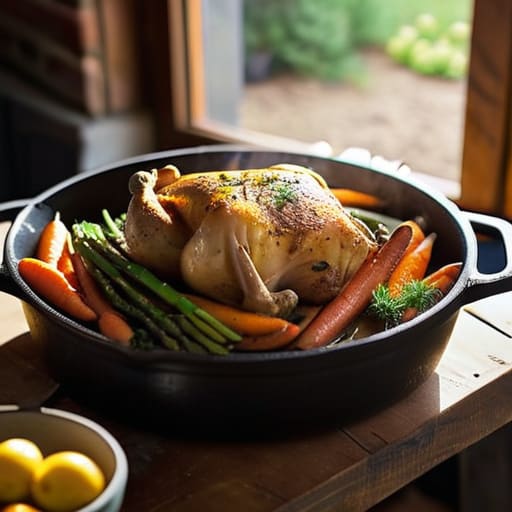
One-pot Wonders for Minimal Dishes and Maximum Flavor
Let’s be real: most “lifestyle” influencers make cooking look like a meditative, aesthetic ritual involving linen aprons and perfectly chopped herbs. But on a Tuesday night when I’ve been staring at spreadsheets for ten hours and my brain feels like mush, I don’t want a project; I want to eat without a mountain of dishes staring me down. We’ve all been there—standing in front of an open fridge, exhausted, wondering if cereal counts as dinner. That’s why I’m obsessed with easy one pot meals. It isn’t about being a gourmet chef; it’s about building a sustainable system that keeps you fed when your energy levels hit zero.
In this post, I’m stripping away the fluff and giving you seven of my absolute go-to recipes that actually work in the real world. These aren’t fancy, multi-step culinary adventures; they are reliable, low-maintenance lifesavers designed for minimal cleanup and maximum flavor. I’m going to show you how to leverage a single pan to get a decent, nourishing meal on the table without the post-dinner sink dread. Let’s get into it.
The "Dump and Simmer" Chili
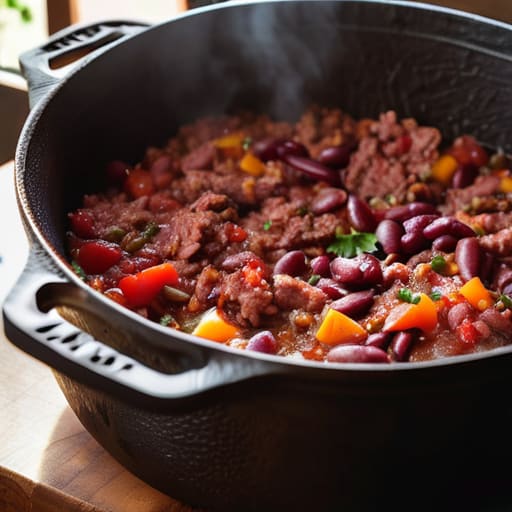
There are days when my brain is so fried from client calls that even the thought of chopping an onion feels like a personal insult. This is my go-to for those exact moments. You just grab a can of beans, a jar of salsa, some ground meat (or lentils if you’re feeling plant-based), and a packet of chili seasoning, then throw it all into one heavy pot. No fancy techniques, no fussy prep work, just heat and wait.
Sheet Pan Sausage and Veggies
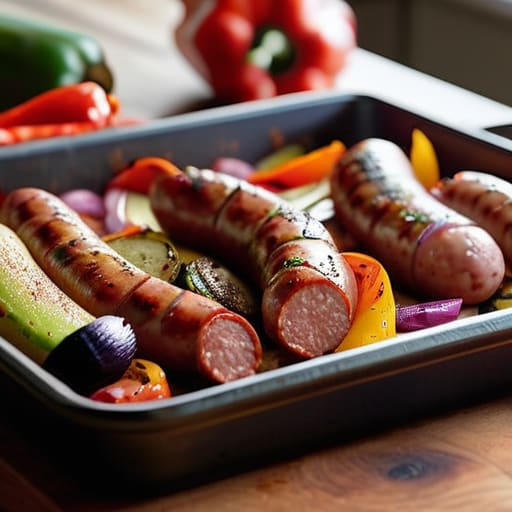
I know, I know—technically a sheet pan isn’t a “pot,” but if we’re talking about minimizing dishes, this belongs in the same conversation. I love this method because it forces me to eat my vegetables without making a whole production out of it. Just slice up some smoked sausage, toss it on a tray with whatever wilting veggies are in your crisper drawer, drizzle some olive oil, and let the oven do the heavy lifting.
One-Pot Lemon Garlic Pasta
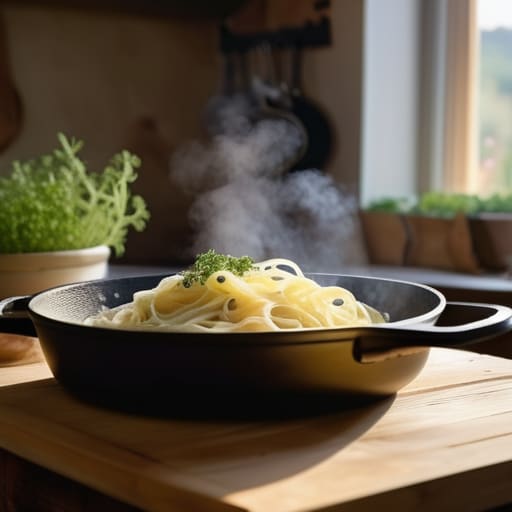
Most people think you need a separate colander and a million pots to make a decent pasta dish, but that’s just unnecessary friction. I’ve learned that if you cook the pasta directly in a mixture of broth, water, and aromatics, the starch stays in the pan and creates this naturally creamy sauce that you usually only get from expensive restaurant recipes. It’s pure efficiency.
Red Lentil Stew
If you’re trying to keep your grocery budget in check, red lentils are your new best friend. They are incredibly cheap, they don’t require soaking, and they practically dissolve into a comforting porridge-like consistency if you cook them long enough. I usually toss them into a pot with some coconut milk and curry powder for a meal that costs next to nothing but feels incredibly nourishing.
Skillet Chicken and Rice
This is one of those classic, old-school recipes that actually lives up to the hype. By searing the chicken in the pan first, you build up all that flavor at the bottom—what chefs call “fond”—and then you use the rice to soak it all up. It’s a closed loop of flavor that makes the whole kitchen smell amazing, even if you’re just cooking in a tiny apartment.
Beef and Broccoli Stir-Fry
You don’t need to order takeout and spend thirty dollars on delivery fees every time you’re too tired to cook. A single skillet and some soy sauce can get you much closer to that satisfaction without the empty wallet syndrome. I like to thinly slice the beef so it cooks in a matter of minutes, keeping the whole process snappy and efficient.
Savory Oats with a Fried Egg
I know, I know—oats are usually the “breakfast” thing, but hear me out. When I’m staring at a fridge that contains nothing but condiments and half an onion, savory oats are a total lifesaver. You cook them in a small pot with a bit of salt and maybe some soy sauce, and then top it with a fried egg for that extra bit of fat and protein.
The Bottom Line on One-Pot Cooking
Don’t aim for a Pinterest-perfect plating; the goal here is to minimize dishes and maximize your actual downtime.
A good system is better than a fancy recipe, so focus on versatile ingredients you already have in your pantry.
It’s okay to keep it simple—eating well doesn’t have to be a massive production every single night.
The Reality of the Kitchen
We need to stop pretending that a clean kitchen is a prerequisite for a good meal; sometimes the most productive thing you can do is embrace the one-pot chaos so you actually have time to sit down and eat.
Nadia Halloway
Less Cleanup, More Life
At the end of the day, these one-pot meals aren’t about becoming a culinary expert or mastering some fancy technique. They are about the simple, practical math of reclaiming your evening. Whether you’re tossing together a hearty chili or letting a tray of roasted veggies do the heavy lifting, the goal is the same: minimizing the mountain of dishes waiting in the sink so you can actually sit down and breathe. You don’t need a pantry full of expensive specialty ingredients to make this work; you just need a reliable system that prioritizes your time over a perfectly curated kitchen aesthetic.
I know how it feels when the day has been a relentless marathon and the last thing you want to do is play chef. But please, stop putting so much pressure on yourself to produce a “Pinterest-worthy” dinner every single night. Perfection is exhausting and, frankly, unsustainable. Instead, aim for something that is nutritious, easy, and done. If you can master a few of these repeatable, low-effort recipes, you’ll find that you have a lot more energy left for the things that actually matter. Let the kitchen be functional, let the meals be simple, and let yourself off the hook.
Frequently Asked Questions
How do I keep my one-pot meals from turning into a mushy, flavorless mess?
The “mush factor” usually happens because everything is fighting for the same moisture at the same time. My rule? Layer by texture. Don’t dump your delicate veggies in with the heavy proteins at the start. Add your greens or soft bits in the last five minutes so they just barely wilt. Also, hit it with a hit of acid—lemon juice or vinegar—at the very end. It cuts through that heavy, one-pot starchiness and actually wakes the dish up.
Can I actually use these same recipes if I only have a slow cooker or an air fryer?
Short answer: Yes, but don’t just wing it. Most of these follow a similar logic, so you can definitely pivot. If you’re using a slow cooker, just add a little extra liquid since you won’t have that stovetop evaporation happening. For the air fryer, think of it more as a way to crisp up the proteins rather than a “one-pot” vessel for everything. It’s about adapting the system, not following the recipe like a manual.
What’s the best way to prep my ingredients ahead of time so I’m not stuck chopping everything right when I'm exhausted?
Honestly, don’t try to “meal prep” entire meals—that’s how you end up eating soggy leftovers all week. Instead, just do a “component chop” on Sunday. Spend twenty minutes slicing your onions, garlic, and peppers, then toss them into airtight containers. When you’re staring at a pile of dishes at 7:00 PM, being able to just grab a container and dump it into a pan is a total game-changer. Keep it simple.
Is it safe to double these recipes for meal prep, or do they get weird after a few days in the fridge?
Honestly, doubling up is the smartest move you can make, but let’s be real: not every dish survives the fridge. The stews, curries, and grain bowls are your best friends here—they actually taste better on day two once the spices settle. Just watch out with the pasta or anything heavy on delicate greens; those can get gummy or wilted. Stick to the hearty stuff for prep, and you’re golden.