How to Brew Cafe-quality Coffee in Your Own Kitchen
I am so tired of seeing those “aesthetic” coffee station reels where people spend forty minutes meticulously weighing beans and using $500 grinders just to get a single shot of espresso. Honestly, if your morning routine feels like a high-stakes chemistry experiment, you’re doing it wrong. We need to stop pretending that you need a laboratory setup to figure out how to make coffee at home that actually tastes good. Most of that expensive gear is just clutter that takes up precious counter space—and if you’re anything like me, you’ve got enough of that already.
I’m not here to sell you on a lifestyle of barista-level perfection or a mountain of specialized gadgets you’ll use once and then hide in a cabinet. Instead, I want to give you a realistic system for decent coffee that fits into a messy, busy morning without the headache. I’ve spent years testing what actually works when you’re running late, and I’m going to share the no-nonsense methods that deliver a great cup without the unnecessary drama. Let’s get to the stuff that actually moves the needle.
The Essential Coffee Brewing Equipment for Beginners
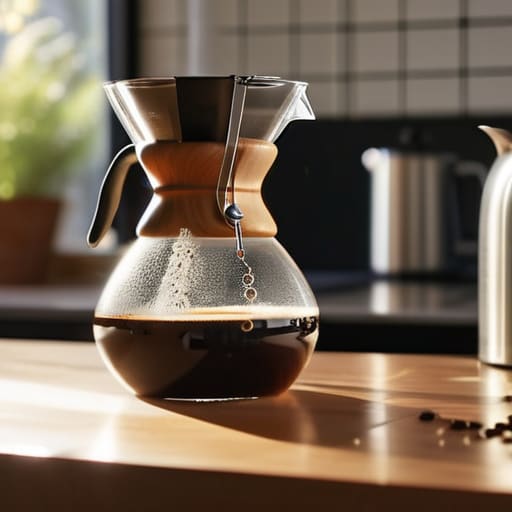
Look, you don’t need a $1,000 espresso machine sitting on your counter to feel like a professional. In fact, most of those high-end gadgets just end up collecting dust because they’re too much of a headache on a Tuesday morning. When I first started looking into coffee brewing equipment for beginners, I realized that the goal isn’t to mimic a high-end cafe; it’s to find a setup that actually works with your morning routine. If you want to keep it simple, a basic French press or a Pour-over dripper is all you really need to get started without turning your kitchen into a laboratory.
The real secret to improving coffee flavor profile isn’t actually the machine itself—it’s the quality of your ingredients. If you’re still using that pre-ground stuff from the grocery store aisle, you’re missing out. Investing in a decent burr grinder to use freshly ground coffee beans is the single biggest game-changer I’ve ever discovered. It’s a small, repeatable step that makes a massive difference. Pair that with a simple gooseneck kettle if you can swing it, and you’ve already bypassed 90% of the mistakes people make when trying to level up their morning ritual.
Choosing the Best Coffee Brewing Methods for Real Life
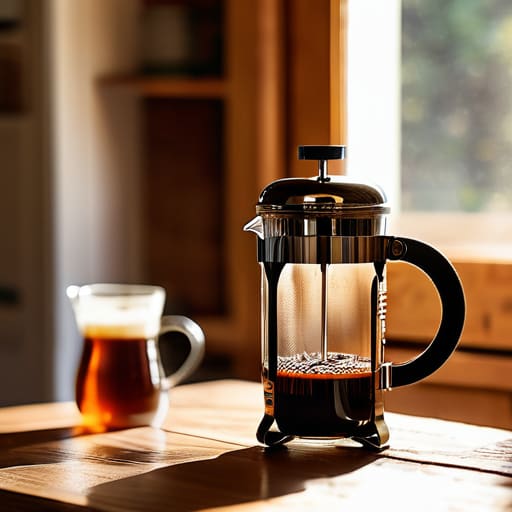
Look, I know there’s a whole world of complicated gear out there, but we aren’t trying to win a barista championship; we’re just trying to get caffeinated before a 9:00 AM meeting. When you’re looking at the best coffee brewing methods for a busy schedule, you have to weigh the “effort vs. reward” ratio. If you’re someone who thrives on a predictable morning routine, a French Press is your best friend. It’s forgiving, requires almost zero technical skill, and delivers a heavy, comforting body that feels like a hug in a mug. It’s the ultimate low-maintenance system.
On the flip side, if you find yourself constantly rushing out the door, a simple pour-over might actually feel like more work than it’s worth. While it’s great for improving coffee flavor profile through more precise control, it requires a level of patience that most of us don’t have on a Tuesday. If you want something in between, a standard drip machine—the kind that actually makes decent coffee—is perfectly fine. The real secret isn’t in the machine itself, but in the basics: use freshly ground coffee beans and don’t settle for lukewarm tap water. Keep it simple, keep it consistent, and let the caffeine do the heavy lifting.
5 ways to actually enjoy your morning brew without the drama
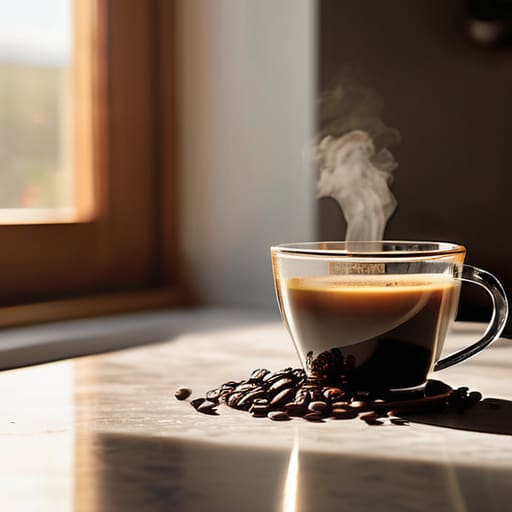
- Stop buying the pre-ground stuff. I know, it’s convenient when you’re running late, but it’s basically flavorless dust by the time it hits your cup. Get a decent burr grinder—even a cheap one—and grind right before you brew. It’s one extra step that makes a massive difference.
- Invest in a simple digital scale. You don’t need a laboratory setup, but eyeballing “two scoops” is how you end up with coffee that’s either battery acid or brown water. Measuring by weight takes thirty seconds and ensures your coffee actually tastes the same every single morning.
- Treat your water like it’s an ingredient, not just a solvent. If your tap water tastes like a swimming pool, your coffee is going to taste like a swimming pool. Use a basic water filter; it’s a tiny tweak that keeps the harsh chemicals from masking the actual notes of the bean.
- Keep your gear clean, even when you’re exhausted. I used to let my French press sit in the sink for days, but old coffee oils go rancid and make everything taste bitter. A quick rinse and a wipe-down immediately after use saves you from a nasty surprise tomorrow morning.
- Don’t get caught in the “gear trap.” You do not need a $1,000 espresso machine to have a good morning. Focus on the quality of your beans and the consistency of your technique first. The fancy gadgets are just distractions if you haven’t mastered the basics.
The bottom line: making it work for you
Stop chasing the perfect setup; pick one method that actually fits into your morning chaos and stick to it.
You don’t need a $500 machine to get a good cup, just a few reliable tools and a consistent routine.
Focus on the small, repeatable wins—like prepping your beans the night before—rather than trying to turn your kitchen into a professional cafe.
## The reality check
“Stop stressing over the $800 grinders and the precise gram-scale measurements you’ll never actually use; a good cup of coffee isn’t about the gear you own, it’s about finding a repeatable ritual that doesn’t feel like another chore on your to-do list.”
Nadia Halloway
The Bottom Line
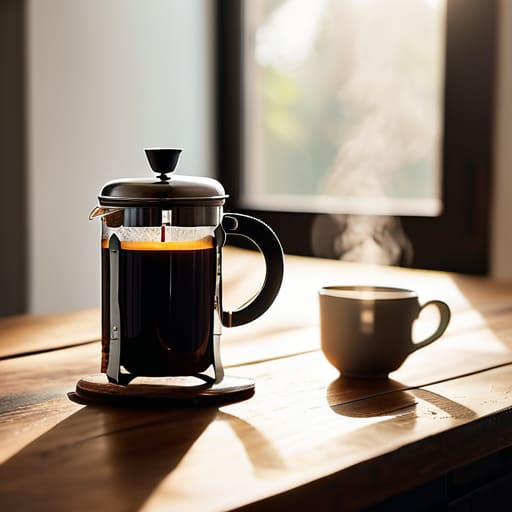
Look, at the end of the day, you don’t need a $1,000 setup or a chemistry degree to enjoy a good cup of coffee in your own kitchen. We’ve talked about getting the right basic gear, picking a method that actually fits into your morning chaos, and choosing beans that don’t taste like burnt cardboard. The goal isn’t to turn your kitchen into a high-end cafe; it’s about building a reliable system that gives you a win before your first meeting starts. Whether you’re using a simple French press or a basic pour-over, just focus on consistency over complexity.
If you find yourself staring at a mountain of specialized equipment you bought on a whim but never use, please don’t beat yourself up. I’ve been there, and trust me, it’s just more clutter we don’t need. Start small, find the one method that feels easy even when you’re running late, and let that be your baseline. Coffee should be a tool that fuels your day, not another chore on your to-do list. Once you find your rhythm, you’ll realize that the best brew isn’t the most expensive one—it’s the one that actually gets made every single morning.
Frequently Asked Questions
How much am I actually going to spend on beans and gear every month?
Let’s get real about the math, because “lifestyle creep” is how a simple morning ritual turns into a monthly subscription to a fancy cafe. If you invest in decent gear upfront, your main recurring cost is just the beans. For most of us, budgeting $30–$50 a month for good quality beans is the sweet spot. It’s more than a grocery store tin, but it’s way cheaper than that $6 daily latte habit.
Is it worth buying a grinder, or can I just get pre-ground coffee and call it a day?
Look, if you’re running on fumes and just need caffeine, pre-ground is fine. But if you actually want your morning cup to taste like something other than bitter ash, get a grinder. Coffee starts losing its magic the second it’s ground, and pre-ground sits on shelves losing flavor every day. A decent burr grinder is a small, one-time investment that actually moves the needle on your morning ritual. It’s worth the counter space.
How do I stop my coffee from tasting like bitter battery acid?
If your coffee tastes like bitter battery acid, you’re likely over-extracting. Most people do this by using water that’s way too hot or letting the grounds sit in the water for too long. Try backing off the temperature—aim for just off the boil—and if you’re using a French press, don’t let it steep for ten minutes. A little bit of timing and a slightly cooler temp can save your morning.
What's the easiest way to clean all this stuff without it becoming a whole chore?
Look, I get it. If cleaning the gear feels like a second job, you’ll eventually just stop making the coffee. The secret is to clean while you’re already in the kitchen. Don’t let things sit and crust over. Rinse your carafe while the coffee is pouring, and wipe down the counter immediately after. If you have a French press, dump the grounds and rinse it right then. Keep it moving, and it stays a non-event.