
Step-by-step: Building Your First Emergency Fund
I’m so tired of seeing those polished “finance gurus” on my feed telling you that you need a six-month cushion of pristine, untouched cash before you can even breathe. It feels like they’re selling a lifestyle of perfection that none of us actually live. When I was growing up in that cramped apartment, we didn’t have a grand financial blueprint; we just had to figure out how to make the money we did have stretch without breaking. The truth is, most advice on how to build an emergency fund is way too complicated, assuming you have a massive surplus sitting around. In reality, life is messy, and trying to follow a rigid, intimidating savings plan usually just leads to burnout and guilt.
I’m not here to give you a lecture on compound interest or suggest you live on lentils for a year. Instead, I want to share the small, repeatable systems that actually work when your car breaks down or your laptop decides to die mid-project. We’re going to focus on building a safety net that fits into your actual life, using low-stress methods that don’t require a math degree or a massive windfall.
Small Wins Building Liquid Savings Without the Burnout
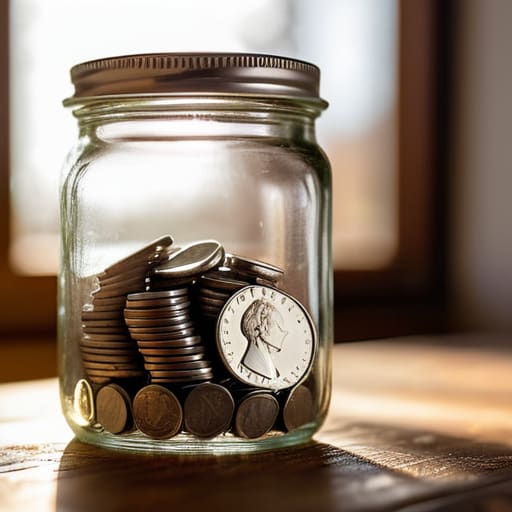
The biggest mistake I see people make is trying to leap from zero to a massive three-month cushion in a single month. That’s a recipe for burnout, and frankly, it’s unsustainable when you’re already juggling rent and groceries. Instead, I’m a huge advocate for building liquid savings through micro-movements. Think of it like cleaning a cluttered apartment: you don’t do it all in one frantic burst; you just tackle one drawer at a time. Start by automating a tiny, almost unnoticeable amount—maybe $20 a week—to go straight into a separate account. It’s not about the amount right now; it’s about building the muscle memory of saving.
To make this actually work, you need to give that money a proper home. I always suggest opening a dedicated high yield savings account for emergencies rather than letting your extra cash sit in your everyday checking account where it’s too easy to accidentally spend on a mid-week takeout order. Keeping it separate creates a psychological barrier that protects your progress. This isn’t about deprivation; it’s about creating a buffer so that when life inevitably gets messy, you aren’t starting from scratch.
Smart Systems for Unexpected Expense Planning

Once you’ve mastered the art of those tiny, painless transfers, you need a place to put that money where it won’t just sit there gathering digital dust. I’m a huge advocate for opening a dedicated high yield savings account for emergencies. You want your money to be working just a little bit harder than you are, but it needs to be liquid—meaning you can actually grab it the second your car starts making that terrifying clunking sound. Keeping this money in a separate account from your everyday checking is also a psychological win; it creates a mental barrier that stops you from accidentally spending your “oops” money on a much-needed latte or a mid-century chair you saw on Marketplace.
While we’re on the subject of organization, it helps to distinguish between an emergency fund vs sinking fund. I used to get these mixed up, which was a recipe for stress. A sinking fund is for things you know are coming—like annual car registration or a friend’s wedding—whereas your actual safety net is for the stuff that keeps you up at night. By separating these, your unexpected expense planning becomes much more predictable. You aren’t just reacting to chaos; you’re building a structured buffer that absorbs the shocks of real life.
Five ways to actually make it happen (without feeling the pinch)
- Automate the tiny stuff. Don’t wait until the end of the month to see what’s left—because let’s be real, nothing is ever left. Set up a recurring transfer for an amount so small you won’t even miss it, like $15 or $20, every single payday. It’s the “set it and forget it” method that actually works.
- Use a separate “boring” account. If your emergency fund is sitting in your main checking account, you’re going to spend it on a spontaneous takeout order or a much-needed rug. Move it to a high-yield savings account at a different bank so it’s out of sight and out of mind.
- Redirect your “found” money. Did you get a tax refund? A small bonus? Or maybe you finally sold that old mid-century chair on Marketplace? Instead of letting that cash vanish into your daily spending, slide it straight into the fund. It’s a massive shortcut.
- Audit your subscriptions (the real way). We all have that one streaming service we haven’t touched in months. Instead of just canceling it, take the exact amount you were paying and add it to your monthly automated savings. You’re already used to living without that money anyway.
- Define what an “emergency” actually is. This is crucial. A sale on those designer boots is not an emergency. A flat tire or a broken water heater is. Write your own rules down so you don’t accidentally raid your safety net for something that’s just a “want.”
The bottom line: Keeping it simple
Forget the “all or nothing” mindset; even a tiny, automated transfer of $5 or $10 a week is better than a grand plan you never actually start.
Build your safety net around systems, not willpower, by using automation to move money before you even have a chance to miss it.
Focus on liquidity and accessibility—an emergency fund isn’t a long-term investment project, it’s your “life just got messy” buffer.
The reality check
Stop trying to manifest a massive savings account by next Tuesday. Real financial security isn’t about the grand, unsustainable leaps that leave you burnt out by month three; it’s about those tiny, boring, automatic systems that keep working even when your life feels like a total mess.
Nadia Halloway
The Reality of the Safety Net

Look, we’ve covered a lot of ground, from chasing those tiny, manageable wins to setting up the kind of automated systems that do the heavy lifting while you’re busy living your actual life. The goal here wasn’t to overhaul your entire financial identity overnight, but to stop the bleeding when life inevitably throws a curveball. Whether you’re automating a small weekly transfer or just finally separating your “oops” money from your rent money, remember that consistency beats intensity every single time. You don’t need a massive, intimidating mountain of cash to start feeling some relief; you just need a functional system that works even when your schedule is chaotic and your brain is fried.
At the end of the day, an emergency fund isn’t about being “good with money” or achieving some arbitrary level of wealth. It’s about buying yourself a little bit of breathing room so that a broken water heater or a sudden car repair feels like an inconvenience rather than a total catastrophe. Don’t let the pressure of “perfect” stop you from starting with what you have. Life is messy, and your financial plan should be built to handle that mess, not pretend it doesn’t exist. Just start where you are, keep your systems simple, and trust that these small, repeatable steps are building a foundation that will actually hold you up when you need it most.
Frequently Asked Questions
Should I prioritize paying down my high-interest credit card debt before I even start this fund?
This is the million-dollar question, isn’t it? Honestly, it’s a tug-of-war between math and sanity. Purely on paper, yes—kill that high-interest debt first. It’s a leak in your boat. But if you have zero cushion, one flat tire sends you right back to the credit card. My pragmatic middle ground? Build a “starter” fund first—just $1,000 or one month of essentials. It buys you breathing room so you can attack the debt without feeling desperate.
Where is actually the best place to keep this money so it's accessible but doesn't tempt me to spend it?
Look, if it’s sitting in your main checking account, it’s basically gone. You’ll see that balance and think, “I can afford those fancy linen sheets,” and suddenly, your safety net is a pile of laundry.
How much is "enough" to actually feel safe without feeling like I'm living too frugally?
Here’s the truth: “enough” isn’t a magic number found in a textbook; it’s a feeling of breathing room. For most, I aim for three to six months of essential expenses. But don’t let that number paralyze you. If six months feels impossible, start with a “starter fund” that covers one month of chaos. Once that’s tucked away, you’ll stop white-knuckling your way through every minor car repair or unexpected bill.
What do I do if a real emergency hits before I've even reached my first small goal?
Look, this is the part no one prepares you for: the “emergency” happens before the “fund” exists. It’s stressful, and it feels like you’ve failed. You haven’t. If things hit the fan right now, stop looking at your savings goals and start looking at your immediate cash flow. Can you pause a subscription? Can you call a creditor to ask for a grace period? Focus on triage—stabilizing the immediate leak—and we’ll get back to the systems once the dust settles.