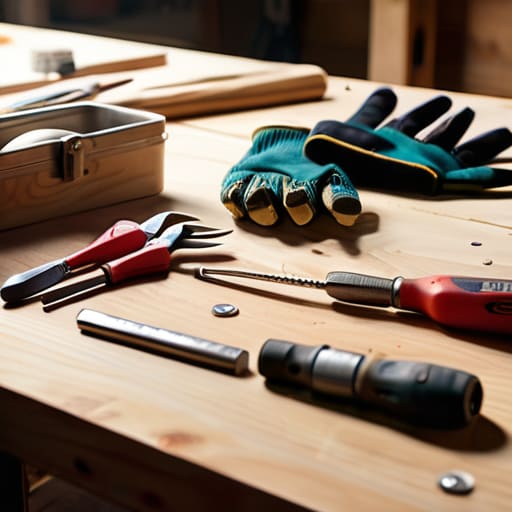
The Must-have Tool Kit for Every Diy Beginner
I still remember the first time I tried to restore a thrifted mid-century sideboard. I had spent my entire month’s rent on a “beginner’s kit” that arrived in a shiny, overpriced box, only to realize halfway through that half the pieces were flimsy plastic junk and the other half were things I’d never actually use. It was a total waste of money and, frankly, a massive blow to my confidence. We’ve been sold this lie that you need a garage full of heavy-duty machinery to be a “real” maker, but the truth is that most of those fancy gadgets are just aesthetic productivity traps. You don’t need a mountain of gear to start; you just need a handful of essential tools for diy that actually hold up when things get real.
I’m not here to give you a shopping list of professional-grade equipment that will just collect dust in a corner. Instead, I want to walk you through the reliable, low-maintenance basics that I’ve personally vetted through years of messy projects and tight budgets. My goal is to help you build a toolkit that is functional and efficient, focusing on the few high-quality items that will actually move the needle on your projects without breaking the bank.
A Realistic Home Improvement Starter Kit for Real Life
Look, I’ve been there—standing in the middle of a hardware store aisle, staring at a wall of shiny, expensive gear, feeling like I need a degree just to buy a screwdriver. But here’s the truth: you don’t need a garage full of professional-grade machinery to fix a loose cabinet hinge or hang some art. For a functional home improvement starter kit, I always suggest starting with the basics that actually see daily use. Think of a solid hammer, a multi-bit screwdriver, a tape measure that doesn’t snap back and hurt your fingers, and a decent level. These are your absolute non-negotiables.
When you’re deciding between hand tools vs power tools, my rule of thumb is to master the manual stuff first. There is zero point in owning a high-end cordless drill if you haven’t even figured out how to properly drive a screw without stripping the head. Once you’ve tackled a few small repairs and realized you’re actually enjoying the process, then—and only then—should you look into investing in something like a basic drill or a sander. Focus on building a collection of reliable, budget-friendly DIY gear that earns its keep, rather than cluttering your small space with gadgets you’ll only use once.
Budget Friendly Diy Gear That Wont Break the Bank
Look, I get the temptation to walk into a big-box hardware store and grab every shiny, cordless gadget on the shelf. But unless you’re planning on renovating your entire kitchen by next Tuesday, most of that is just expensive clutter. When I started restoring my first thrifted sideboard, I realized that the debate of hand tools vs power tools isn’t about which is “better,” but which one actually fits your current project. For most of us, a solid set of manual drivers, a reliable hammer, and a decent tape measure are the real household repair essentials that will save your sanity (and your savings account).
If you really feel the itch to go electric, don’t go overboard. You don’t need a professional-grade table saw to fix a loose cabinet door. Instead, look for a mid-range cordless drill—it’s the one piece of budget friendly diy gear that actually earns its keep. My rule of thumb? Buy the tool only when you have a specific problem that requires it. It keeps your workspace clear and prevents that “guilt-trip” feeling of looking at a pile of expensive equipment you haven’t touched in six months. Stick to the basics, and I promise you’ll get much further.
How to actually use your tools without losing your mind
- Don’t buy a massive, pre-packaged tool kit from a big-box store. Most of those sets come with twenty cheap drivers you’ll never touch and one decent hammer. Buy your tools one by one, as you actually need them for a specific project. It keeps your budget intact and ensures you aren’t storing junk in a drawer.
- Prioritize quality over quantity every single time. I’d much rather own one solid, well-balanced screwdriver that won’t strip a screw halfway through a job than a whole set of flimsy ones that make me want to throw them across the room. If you can afford to spend a little more on the tool that touches the work, do it.
- Keep a “go-bag” or a single, organized bin for your basics. There is nothing more frustrating than starting a quick fix and spending twenty minutes digging through a cluttered junk drawer. If your essentials—like your tape measure, pliers, and a multi-bit driver—are in one spot, you’re way more likely to actually finish the task.
- Learn the “why” behind the tool, not just the “how.” You don’t need a degree, but knowing the difference between a Phillips head and a Pozidriv can save you from a massive headache (and a stripped screw). A little bit of YouTube research before you start can prevent a lot of wasted material.
- Accept that your tools are going to get messy. I used to worry about keeping my gear pristine, but real DIY is gritty. Get a small, functional toolbox that can handle a bit of dust and grease. The goal isn’t to have a showroom collection; it’s to have gear that’s ready to work when you are.
The Bottom Line: Keep It Simple
Don’t let the “pro” aisles intimidate you; you don’t need a garage full of specialized gadgets to fix a leaky faucet or hang a shelf.
Prioritize quality over quantity by investing in a few solid, reliable basics that you’ll actually use, rather than a massive kit of cheap tools that break mid-project.
Remember that the goal is a functional home, not a showroom—focus on the tools that solve your immediate problems and help you keep moving forward.
The Truth About Your Toolbox
“Stop trying to build a workshop that looks like a Pinterest board. You don’t need a hundred specialized gadgets you’ll use once; you just need five or six reliable tools that actually show up for you when a project inevitably goes sideways.”
Nadia Halloway
The Bottom Line
At the end of the day, you don’t need a garage full of expensive, shiny gadgets to actually get something done. We’ve covered how to build a starter kit that handles the basics and how to hunt for budget-friendly gear that actually holds up under pressure. The goal isn’t to collect every tool on the shelf; it’s to own a few reliable essentials that solve the problems you actually face. Whether you’re fixing a wobbly thrifted chair or finally hanging those heavy shelves, remember that the best tool is the one you actually use instead of the one that just looks good in a professional catalog.
DIY can feel incredibly overwhelming when you’re staring at a pile of parts and a half-finished project, but please don’t let the fear of “doing it wrong” stop you from starting. Perfection is a myth, and honestly, most of my best furniture restorations started with a few mistakes and a lot of sandpaper. Just take it one small, repeatable step at a time. You don’t need to be a master craftsman to make your space feel more like home; you just need the willingness to get your hands a little dirty. So, grab your screwdriver, find a decent light source, and just start where you are.
Frequently Asked Questions
Should I really bother buying a power drill, or can I just get by with a manual screwdriver for now?
Look, if you’re just hanging a single picture frame, a manual screwdriver is fine. But if you’re planning to actually build anything or even assemble flat-pack furniture without losing your mind, get the drill. Your wrists will thank you, and you’ll save so much time. Don’t go hunting for a massive, expensive kit—just grab a decent, mid-range cordless one. It’s one of those small investments that actually makes the work feel less like a chore.
Is it actually worth splurging on the name-brand stuff, or is the cheap version from the big-box store going to fail me halfway through a project?
Look, I get the temptation to grab the cheapest thing on the shelf just to get through a weekend project, but there’s a tipping point. If it’s a screwdriver or a tape measure, go for the budget option—they work fine. But if you’re looking at power tools, don’t cheap out. A flimsy drill that dies halfway through a cabinet install is just a headache you don’t need. Buy the name brand for the heavy hitters; it’s an investment in not losing your mind.
How do I figure out what I actually need versus what’s just clever marketing to get me to buy a massive, useless kit?
Look, the marketing trick is making you feel like you’re “unprepared” without a 200-piece set. You aren’t. To cut through the noise, use the “Project-First Rule.” Don’t buy a tool because it looks cool on a shelf; buy it because you have a specific, messy task staring you in the face. If you don’t have a concrete project planned, you don’t need that specialized gadget. Stick to the basics until a real need arises.
Where is the best place to store all this gear if I’m working with a tiny apartment and zero garage space?
Look, I get it. I spent years trying to hide my drill bits in a kitchen drawer, and let me tell you—it’s a nightmare. If you don’t have a garage, stop looking for floor space and start looking up. I’m a huge fan of heavy-duty pegboards mounted on the back of a closet door or even just a rolling utility cart. It keeps everything visible, accessible, and—most importantly—off your precious living room floor.