Quick Woodworking Projects You Can Complete in a Single Weekend
I used to think that getting into woodworking meant I needed a massive garage, a heavy-duty table saw, and enough money to fund a small country. Honestly, looking at those Pinterest-perfect workshops just made me feel overwhelmed and, frankly, a little bit stuck. The truth is, most of us are trying to build a life around existing spaces and tight budgets, not a professional studio. If you’ve been hovering over a “buy now” button for expensive power tools but don’t actually know where to start, you aren’t alone. I’ve learned that the best way to learn is by starting with small, manageable beginner woodworking projects that don’t require a PhD in carpentry or a massive bank account.
In this post, I’m stripping away the intimidation factor and sharing seven specific ideas that are actually doable for someone with limited tools and a busy schedule. We aren’t aiming for museum-quality heirlooms here; we are looking for functional, sturdy pieces that make your space feel a little more like home. By the end of this list, you’ll have a clear roadmap of projects that focus on repeatable systems rather than perfection, helping you build confidence one scrap of wood at a time.
The Humble Floating Shelf
If you’re living in a space where every square inch matters, floating shelves are your absolute best friend. I started making these back when I was trying to clear the clutter off my tiny studio desk, and honestly, they changed my life. You don’t need a massive workshop for this; just some basic wood planks, some sturdy brackets, and a level so you don’t end up with a lopsided mess.
Minimalist Coasters
I know, I know—coasters sound incredibly boring. But hear me out: they are the perfect “low-stakes” entry point into woodworking. You’re working with small scraps of wood that most people would just toss in the bin, which means there is zero pressure to be perfect. If you mess up a cut, you haven’t wasted a $50 slab of walnut; you’ve just made a slightly smaller coaster.
A Simple Serving Tray
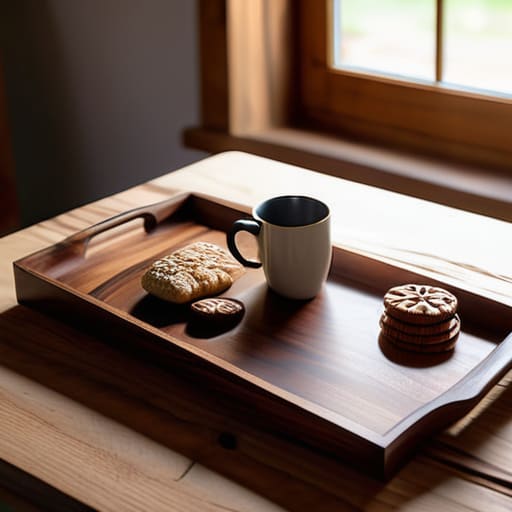
There is something deeply satisfying about carrying a tray of coffee or snacks that you actually built yourself. It’s much more substantial than those flimsy plastic ones, and it’s a great way to practice joining pieces of wood together. You can keep it incredibly basic with just a flat base and some raised edges to keep things from sliding off.
Desktop Organizer
My desk used to be a graveyard of loose pens, charging cables, and random sticky notes. Building a small wooden organizer was my way of reclaiming my workspace without spending a fortune on “aesthetic” office supplies that break in a month. It’s a project that requires a bit of precision, but it’s incredibly rewarding when you finally see your chaos turning into order.
Rustic Plant Stands
If you’re a plant parent like me, you know the struggle of trying to find a way to display your greenery without cluttering every flat surface. A simple wooden plant stand is a total game-changer. You can go as minimal as a three-legged tripod style or something more structured with a rectangular frame.
Magnetic Key Holder
We have all had those mornings where we spend ten minutes frantically searching for our keys because we didn’t have a designated “home” for them. A magnetic key holder is a tiny project that solves a massive, daily annoyance. You basically take a small strip of wood, drill some holes in the back, and epoxy some strong magnets inside.
Reclaimed Wood Picture Frames
Most store-bought frames feel a bit soul-less, so why not make your own? This is a fantastic way to use up those odd-shaped pieces of wood you find at thrift stores or construction sites. Even if your cuts aren’t laser-straight, the texture of the wood gives it an organic, lived-in feel that looks great in any room.
The Bottom Line
Stop waiting for a “perfect” workshop to show up; your ability to finish a project with basic tools is way more important than having a professional-grade setup.
Focus on small, repeatable wins—like a simple shelf or a box—rather than getting overwhelmed by a massive furniture build that you’ll never actually finish.
Woodworking is messy and things will go wrong, so build systems that allow for mistakes instead of aiming for a Pinterest-perfect result on your first try.
Forget the Perfectionism
Stop waiting until you have a designer workshop and a mountain of expensive hardwoods to start. Real woodworking isn’t about the perfect grain or the most expensive router; it’s about taking a few scraps of wood and turning them into something useful that actually fits into your real, messy life.
Nadia Halloway
Stop Planning, Start Making
Look, I know the temptation to go out and buy a $500 table saw and a professional-grade workshop is real. But as we’ve walked through, you don’t need a massive studio or a mountain of expensive tools to get started. Whether you’re tackling a simple floating shelf, a rustic tray, or a basic plant stand, the goal isn’t to produce a museum-quality masterpiece on your first try. It’s about building the muscle memory of working with your hands. Focus on these low-stakes projects to learn how wood behaves and how your tools feel, rather than getting bogged down in the technicalities of high-end joinery.
At the end of the day, your first few projects might end up a little wonky, and honestly? That’s perfectly fine. The most important thing is that you’ve moved past the “research phase” and actually created something tangible. Woodworking shouldn’t be another item on your high-pressure to-do list that demands perfection; it should be your way to unplug from the digital noise. So, grab some scrap wood, clear off a corner of your kitchen table, and just make something. Even if it’s just a small coaster, you’re officially a maker now.
Frequently Asked Questions
Do I really need a dedicated workshop, or can I actually do this in my living room without making a massive mess?
Look, I spent years trying to squeeze a life into a tiny apartment, so I get it. You absolutely do not need a dedicated workshop. Honestly, most of my best furniture restorations happened right on my kitchen table. Just grab a heavy-duty drop cloth, keep a shop vac nearby, and focus on small, low-dust projects first. If you can manage a messy craft corner, you can manage woodworking. Don’t let a lack of square footage stop you.
What’s the absolute bare minimum tool kit I should buy so I’m not wasting money on stuff I won't use?
Look, I get it. Walking into a hardware store feels like being interrogated by a wall of expensive, shiny tools you’ll never touch. Don’t fall for the “complete starter kits”—they’re usually full of filler. Honestly? Grab a decent cordless drill, a multi-bit screwdriver, a tape measure, a level, and a basic handsaw. That’s it. Build something small, see what you actually struggle with, and then—and only then—buy the next thing.
How do I stop myself from getting overwhelmed by all the different types of wood and finishes at the hardware store?
Honestly, I used to stand in the middle of the aisle staring at a wall of wood like it was a math exam I hadn’t studied for. Here’s the trick: stop trying to learn everything at once. For your first few projects, stick to pine or poplar—they’re cheap, easy to find, and forgiving. As for finishes, grab a simple wipe-on oil. It’s way less intimidating than spraying lacquer and much harder to mess up.
Is there a way to do these projects without spending a fortune on high-end materials?
Absolutely. Honestly, if you go out and buy premium walnut or exotic hardwoods right away, you’re just setting yourself up for heartbreak when you inevitably make a wrong cut. Stick to construction lumber from the local big-box store or, better yet, hit up your local thrift shops and Facebook Marketplace for old solid wood furniture. It’s cheaper, it’s more forgiving, and it’s much more my style. Build the skill first; buy the fancy stuff later.