
Essential Productivity Hacks for Students
I’m so tired of seeing those “aesthetic” study vlogs where everything is color-coded, perfectly lit, and involves a $50 planner you’ll stop using by week three. Honestly, most of the advice out there regarding productivity for students feels like it was designed for people who have zero life chaos and an unlimited budget for stationery. If you’ve ever spent three hours setting up a complex digital dashboard only to end up staring blankly at a textbook because you’re actually exhausted, I get it. We need to stop pretending that a fancy new app is going to fix a fundamental lack of time, because real life is messy.
I’m not here to sell you on a lifestyle of academic perfection or expensive gadgets that just end up cluttering your desk. Instead, I want to share the small, repeatable systems I’ve learned through years of managing tight deadlines and even tighter budgets. We’re going to focus on low-effort, high-impact habits that actually work when you’re running on four hours of sleep and a lukewarm coffee. Let’s ditch the performative hustle and find a way to get your work done that actually sticks.
Stop Chasing Perfection With Better Time Management Techniques for College

We’ve all been there: it’s 11:00 PM, you have three tabs open for different essays, and you’re staring at a color-coded digital planner that looks beautiful but hasn’t actually helped you finish a single paragraph. The problem isn’t that you’re lazy; it’s that you’re trying to maintain a level of organization that simply isn’t realistic when you’re running on four hours of sleep and caffeine. Instead of searching for the ultimate, flawless schedule, I want you to focus on beating academic procrastination by lowering the barrier to entry. If a task feels too big, don’t try to “manage your time”—just try to do five minutes of it.
When it comes to actual time management techniques for college, the most effective ones are the ones that account for human error. Forget the rigid, hour-by-hour blocks that make you feel like a failure the second you get distracted by a text. Instead, try “time boxing” or even just setting a timer for twenty minutes of deep work. It’s about creating small, repeatable wins rather than a perfect day. If your system breaks on Wednesday, don’t scrap the whole week; just reset on Thursday. We’re aiming for progress, not a polished Instagram aesthetic.
Beating Academic Procrastination When You Just Cant Get Started

We’ve all been there: staring at a blank Google Doc for forty minutes, scrolling through TikTok, and feeling that low-grade panic rising in your chest. Most advice tells you to just “have more discipline,” but let’s be real—discipline is a finite resource, and mine usually runs out by 3:00 PM. When it comes to beating academic procrastination, the mistake is thinking you need to find a massive burst of motivation to start. You don’t. You just need to lower the barrier to entry so much that it feels almost stupid not to do it.
Instead of telling yourself you’re going to write a five-page paper, tell yourself you’re just going to open the document and write three terrible sentences. That’s it. By shrinking the task, you bypass that internal alarm system that screams “this is too much work” every time you look at your syllabus. If you’re looking for better focus and concentration tips for studying, try the “five-minute rule”: commit to just five minutes of work. If you want to stop after that, fine. But usually, once the momentum starts, the hardest part—the starting—is already behind you.
Five Tiny Systems That Actually Work (When You’re Exhausted)
- Ditch the “all-or-nothing” study sessions. Instead of trying to pull a six-hour marathon that leaves you burnt out by Wednesday, try the 25-minute sprint. Set a timer, do one specific task, and then actually walk away from your desk. It’s much easier to commit to twenty minutes of work than it is to a vague, daunting afternoon of “studying.”
- Stop using your brain as a storage unit. Every time you think, “Oh, I need to email my professor” or “I have a quiz on Friday,” write it down immediately in one single, messy place—a notebook, a single notes app, whatever. Your brain is for processing information, not for holding onto a mental grocery list of deadlines.
- Use “Low-Stakes Prep” to fight morning dread. If you know you have a heavy lecture at 10:00 AM, spend five minutes the night before just opening the right tabs on your laptop or laying out your notebook. It sounds small, but removing those tiny friction points makes it much harder to talk yourself out of actually showing up.
- Audit your digital clutter. We all have that one “productivity” app that we spend more time customizing than actually using. If an app feels like a chore to maintain, delete it. Stick to the basics: a calendar that works and a simple way to track tasks. If it doesn’t have a dark mode, I’m probably not using it anyway.
- Build a “Minimum Viable Day.” Some days, you’re going to be hit with a flu, a breakup, or just pure burnout. On those days, don’t try to hit your full to-do list. Just pick two non-negotiable things—like attending one class and reading ten pages—and call it a win. Maintaining the habit is more important than being perfect.
The Bottom Line: Systems Over Perfection
Ditch the massive, intimidating to-do lists; focus on one or two tiny, repeatable habits that you can actually manage even on your worst, most caffeinated days.
Stop waiting for the “perfect” study environment or the “right” mood to strike, because waiting for motivation is a trap—just build a low-friction system that works when you’re tired.
Measure your success by what you actually finished, not by how aesthetic your planner looks or how many productivity apps you downloaded this week.
The Myth of the Perfect Schedule
“Stop trying to build a flawless, color-coded life that only works when you’re feeling 100%. Real productivity isn’t about following a rigid plan; it’s about having tiny, messy systems that still function even when you’re running on four hours of sleep and a lukewarm coffee.”
Nadia Halloway
Real Talk: You've Got This
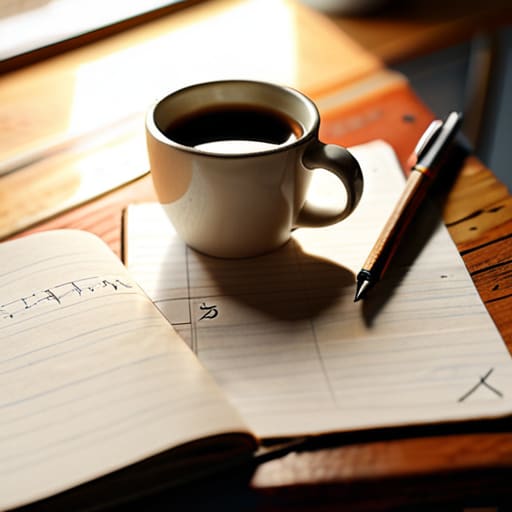
Look, we’ve covered a lot of ground, from ditching those impossible-to-maintain schedules to finally figuring out how to move when your brain is stuck in neutral. The takeaway isn’t that you need to become a high-performance machine overnight; it’s about finding those tiny, repeatable wins that keep you afloat. Whether it’s using a simplified time management trick or just finding a way to trick yourself into starting that essay, remember that systems beat willpower every single time. You don’t need a $50 planner or a perfectly curated desk setup to get things done—you just need a method that doesn’t fall apart the second you hit a stressful week.
At the end of the day, please be kind to yourself. College is a massive, messy transition, and some days your “productive” version is going to look a lot different than the version you see on social media. If you only check one thing off your list today, that is still progress. Don’t let the pursuit of a “perfect” student life rob you of the actual learning and growth happening in the chaos. Just keep showing up, keep tweaking your systems, and focus on what actually moves the needle for you. You’re doing better than you think you are.
Frequently Asked Questions
How do I actually stay productive when my roommates or living situation is constantly distracting me?
Look, I get it. I grew up in a cramped apartment where “personal space” was a myth, so I know the struggle. When your roommates are treating the living room like a lounge while you’re trying to grind, don’t try to fight them—you’ll just lose energy. Invest in decent noise-canceling headphones (the darker the better) or, honestly, just pack your bag and head to a corner of the library. Sometimes, changing your physical environment is the only way to protect your focus.
I know how to start, but how do I stop myself from burning out halfway through the semester?
The secret isn’t more caffeine or better planners; it’s building in “low-power modes.” You can’t sprint for sixteen weeks straight. I treat my energy like a budget—if I overspend on a massive study session on Tuesday, I have to “save” on Wednesday by doing the bare minimum. Schedule non-negotiable downtime that has nothing to do with your GPA. If you don’t build in the breaks, your body will eventually choose them for you.
Are there any low-tech or analog ways to manage my schedule if I'm tired of staring at screens all day?
Honestly, I get it. After eight hours of staring at a laptop, the last thing I want is another glowing rectangle telling me what to do. Try a simple paper planner or even just a dedicated notebook. I love the tactile feeling of physically crossing something off a list—it feels more “real” than a digital checkmark. Grab a cheap desk calendar and use a highlighter to block out your big deadlines. Low-tech, zero eye strain, and it actually works.
How do I balance a part-time job and a social life without my grades completely tanking?
Look, I get it. Trying to juggle shifts, hanging out with friends, and actually passing your finals feels like a losing game. The secret isn’t “finding more time”—it’s ruthless prioritization. Use a “non-negotiable” calendar: block out your work shifts and class times first, then slot in your study blocks. If you treat your study time like a paid shift you can’t miss, you won’t feel guilty when you finally say “yes” to happy hour.