Simple Wood Pallet Projects You Can Tackle Right Now
I’ve spent way too many weekends staring at a pile of scrap wood in my garage, feeling that familiar itch to create something useful but also feeling completely overwhelmed by the sheer amount of “DIY influencer” noise online. Most of the time, those Pinterest boards make it look like you need a professional workshop and a massive budget to make something decent, but that’s just not realistic for most of us. I’m tired of the pressure to create a Pinterest-perfect masterpiece every time we pick up a hammer. Instead, I wanted to dig into some actual, functional pallet project ideas that focus on utility over aesthetics. We need things that solve real problems—like clutter or lack of storage—without costing us a fortune or taking up our entire month.
In this post, I’m breaking down seven specific ways you can turn those discarded wooden slats into something that actually serves a purpose in your home. We aren’t doing anything overly complicated or unnecessarily fancy here; we’re focusing on small, repeatable wins that make your space feel more organized. From clever vertical storage to simple garden setups, these ideas are designed to work even when your life feels a little bit messy. Let’s get into it.
The Vertical Herb Garden
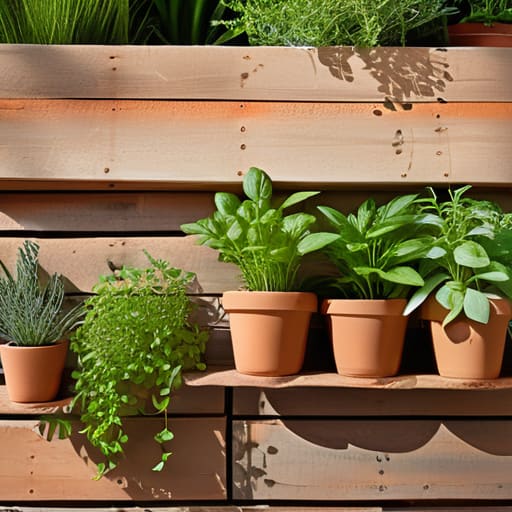
If you’re living in a space where “yard” is just a word people use in real estate listings, you know the struggle of wanting greenery without sacrificing floor space. I love using pallets for a vertical herb garden because it turns a blank wall into something actually useful. Instead of buying those expensive, pre-made plastic planters that look like they belong in a dorm room, you can just secure a pallet against a sunny wall and tuck small pots into the slats.
A Simple Mudroom Organizer
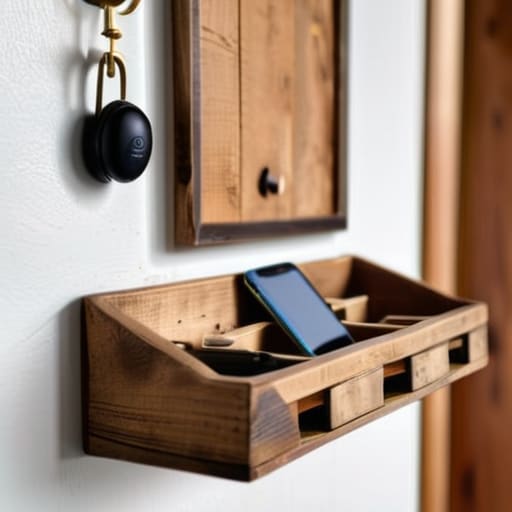
We’ve all had those mornings where we spend ten minutes frantically searching for our keys or a single stray shoe. I used to think I needed a custom-built entryway console to fix my chaos, but that’s just an expensive way to mask a lack of systems. A repurposed pallet, sanded down so you don’t get a splinter, can act as a functional command center right by the door.
The Low-Profile Coffee Table
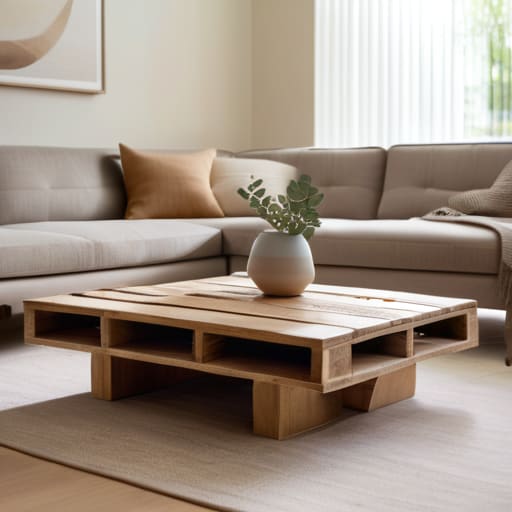
When I started restoring mid-century furniture, I realized that good design is often just about clean lines and utility. If you have a small living area, a massive, heavy coffee table is your enemy. A pallet coffee table is a great way to add some texture to a room without the hefty price tag of solid wood furniture. You can stack two pallets for height or just use one for a more minimalist, floor-level vibe.
Backyard Beverage Station
If you have even a tiny bit of outdoor space, you need a spot to keep your drinks and snacks so you aren’t constantly running back and forth to the kitchen. I’ve seen people try to build elaborate outdoor bars, but honestly, that’s a lot of unnecessary work. A simple pallet leaned against a fence or a wall can serve as a perfectly functional drink station.
The Rustic Bedside Caddy
For my fellow small-space dwellers, floor space is the most precious commodity we have. If you don’t have room for a traditional nightstand, don’t go out and buy a bulky one that makes your bedroom feel cramped. You can take a single slat or a small section of a pallet and mount it directly to the wall next to your bed. It’s a minimalist solution for the things you actually need at 11 PM.
The Entryway Bench
The Entryway Bench
There is nothing more frustrating than trying to pull on your boots while balancing precariously on one leg. It’s a small friction point in your day, but those little things add up to a lot of mental fatigue. A pallet bench is a sturdy, no-nonsense way to solve this. You can reinforce a few slats to create a seat and leave the gaps underneath for shoe storage.
A Wall-Mounted Tool Organizer
Whether you’re into actual woodworking or you just have a collection of random screwdrivers and hammers that live in a junk drawer, you need a system. A pallet is basically a pre-built grid, which makes it an incredible organizer for a garage or a utility closet. You can slide tools into the gaps or screw small bins directly onto the wood.
The Bottom Line
Don’t aim for Pinterest perfection; if the pallet project solves a storage problem or clears a bit of floor space, it’s a win.
Start small with one simple build to see if you actually enjoy the process before you commit to a massive weekend overhaul.
Focus on function over aesthetics—a rugged, slightly imperfect shelf that holds your books is better than a beautiful piece that just collects dust.
Forget the Pinterest Perfection
“Stop trying to build a showroom-ready masterpiece every time you pick up a sander. A pallet project isn’t a failure just because it shows a little wear; it’s a win if it actually solves a problem in your house, like finally giving your muddy boots a place to live.”
Nadia Halloway
Don't Overthink the Wood
At the end of the day, whether you’re building a vertical herb garden to save counter space or a simple pallet shoe rack for the entryway, the goal isn’t to create something worthy of a magazine cover. It’s about finding a way to make your environment work for you without breaking the bank. We’ve looked at everything from functional storage to low-maintenance outdoor seating, and the common thread is that these projects are all about solving a problem. You don’t need a workshop full of expensive power tools to get started; you just need a few basic supplies and the willingness to get a little sawdust on your hands to create a system that actually sticks.
I know how easy it is to look at a DIY tutorial and feel like you need to be an expert before you even pick up a hammer. But please, give yourself permission to fail on the first try. If your first pallet planter is a little crooked or your coffee table is slightly uneven, it doesn’t mean the project was a waste. It just means you’re learning how to build a life that is functional and real. Stop waiting for the perfect moment or the perfect tools. Just grab some scrap wood, find a corner of your home that needs a little help, and start building something useful today.
Frequently Asked Questions
How do I make sure the wood from these pallets isn't treated with toxic chemicals that'll end up in my house?
This is a huge question, and honestly, one I obsessed over when I first started DIYing. You really don’t want mystery chemicals in your living room. Look for the stamp on the side of the pallet. You want “HT” (Heat Treated), which means it was heated to kill bugs—that’s safe. Avoid anything marked “MB” (Methyl Bromide); that’s a nasty pesticide. If there’s no stamp at all? Just skip it. It’s not worth the risk.
Is there a way to do this without owning a whole workshop of expensive power tools?
Honestly, please don’t go out and buy a table saw just for this. I used to think I needed a professional setup to make things look “real,” but it’s a total trap. You can get incredibly far with just a decent cordless drill, a hand saw, and some sandpaper. If you can drive a screw and smooth out a rough edge, you have enough to build something functional. Keep it simple.
What’s the best way to sand them down so I don't end up with a million splinters?
Look, I’ve spent way too many hours picking wood shards out of my palms, so let’s skip the painful learning curve. Don’t try to go straight for a fine finish. Start with a coarse grit (like 60 or 80) to knock down those nasty ridges and uneven bits. Once the surface feels somewhat predictable, move up to a medium grit. If you’re using a power sander, keep it moving—don’t linger in one spot or you’ll gouge the wood.
How do I stop these projects from just becoming more expensive clutter in my small space?
Look, I’ve been there. I once turned my tiny studio into a graveyard of half-finished sanding projects. To stop the clutter creep, you have to follow one rule: don’t start the next build until the current one has a dedicated “home.” If you can’t find a specific, functional spot for that pallet planter in your actual living space, don’t buy the wood. If it doesn’t serve a purpose, it’s just expensive firewood.