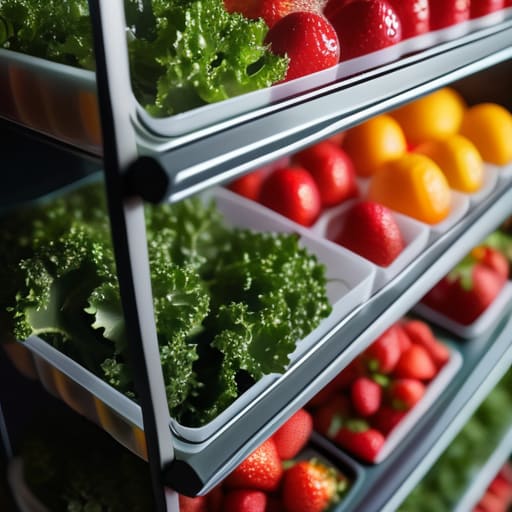
Food Storage Hacks to Keep Your Groceries Fresh
I am so tired of seeing those “aesthetic pantry” videos where people spend a small fortune on matching glass canisters and custom labels just to look organized on camera. Honestly, if you’re trying to figure out how to store food properly just so your kitchen looks like a Pinterest board, you’re doing it wrong—and you’re definitely wasting money. I grew up in a place where space was a luxury and every cent counted, so I learned early on that real organization isn’t about how pretty the jars look on a shelf; it’s about making sure your spinach doesn’t turn into green slime three days after you buy it.
I’m not here to sell you on a lifestyle of expensive gadgetry or complicated kitchen systems that fall apart the second you have a busy week. Instead, I want to share the small, repeatable systems that actually work when life gets messy and your schedule goes sideways. We’re going to talk about practical, low-effort ways to keep your groceries fresh and your budget intact, focusing on what actually moves the needle in your kitchen without the unnecessary fluff.
Real World Refrigerator Organization Tips That Actually Stick
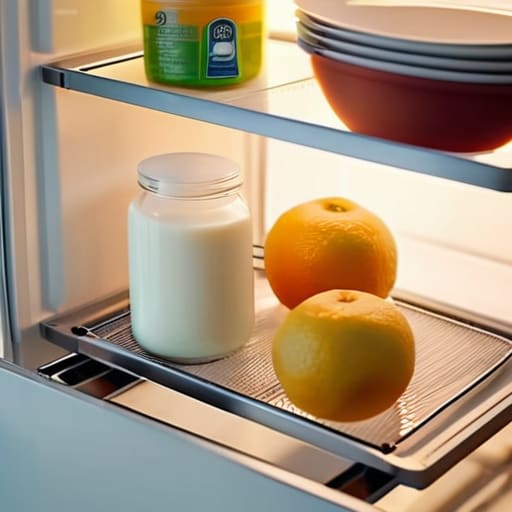
Look, I’ve spent way too many Sunday nights staring at a science experiment in a Tupperware container because I thought I was being “organized” by shoving everything into the crisper drawer. The truth is, most of us treat our fridges like a black hole. To actually make this work, you need to stop organizing by category and start organizing by use. Keep your high-frequency items—the milk, the yogurt, the leftovers you actually plan to eat for lunch—at eye level. If you have to dig through a stack of jars to find the butter, you’re eventually going to just grab something else, and that’s how we end up wasting money.
Another thing that changed the game for me was finally understanding preventing food spoilage through placement. Most people don’t realize that the temperature in your fridge isn’t uniform. The door is the warmest spot, so don’t put your milk there; keep it on the middle shelf where it’s stable. Also, let’s talk about the airtight container benefits without getting too preachy. You don’t need a matching set of expensive glass canisters to be successful, but getting your leftovers into a sealed container immediately stops them from picking up “fridge smells” and keeps them fresh for an extra day or two. It’s a small, repeatable system that actually keeps your groceries from turning into trash.
Managing Pantry Staples Shelf Life Without the Stress
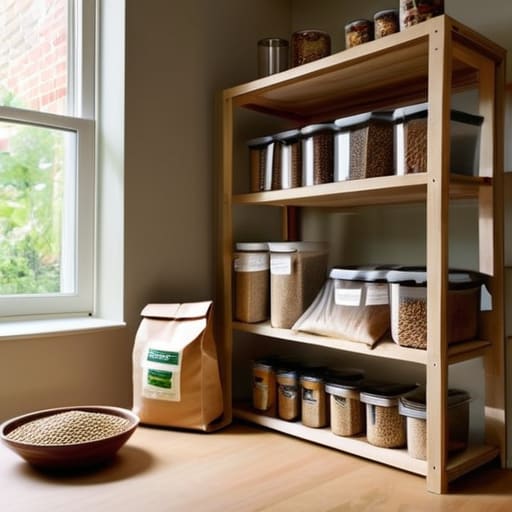
Look, I know the “Pinterest-perfect” pantry with matching glass jars looks amazing, but if you’re anything like me, you don’t have the time (or the budget) to decant every single bag of lentils into a designer vessel. The truth is, managing pantry staples shelf life isn’t about aesthetics; it’s about visibility. If you shove a bag of flour into the dark corner behind the giant box of cereal, you’re going to forget it exists until it’s a science experiment. I’ve learned that a simple “first-in, first-out” system—where the newer stuff goes in the back and the older stuff moves to the front—is way more effective than any expensive organizational hack.
When it comes to the stuff that actually goes bad quickly, like spices or opened grains, that’s where you might want to invest in a few decent airtight container benefits. You don’t need a whole set; just grab a handful of versatile ones to keep moisture and pests at bay. Also, let’s talk about the “hidden” pantry: the dark cabinets under the sink or the pantry in the garage. Keep your heat-sensitive items, like oils and honey, in the coolest, darkest spot you have. Small, repeatable habits like doing a quick five-minute scan before your weekly grocery run will save you way more money than any fancy gadget ever could.
5 low-effort ways to stop throwing money in the trash
- Stop buying those expensive, specialized airtight containers right away. Most of the time, a simple glass jar you salvaged from a pasta sauce jar or a basic reusable silicone bag does the exact same thing without the “aesthetic” price tag.
- Use the “First In, First Out” rule, but make it lazy. When you get home from the store, don’t just shove the new milk behind the old one. Move the older stuff to the front so you actually see it before it turns into a science project.
- Treat your freezer like a survival kit, not a black hole. If you’re freezing leftovers or bulk meat, flatten them out in bags rather than freezing them in big, thick clumps. It saves space and—more importantly—it thaws way faster when you actually need to eat.
- Group your produce by “vibe” rather than just dumping it in the crisper drawer. Keep the stuff that wilts easily (like herbs or leafy greens) together in a damp paper towel, and keep the hardy stuff (like carrots or apples) separate so they don’t accidentally speed up each other’s decay.
- Don’t be afraid to use a Sharpie. I know, it feels unorganized, but writing the date on a piece of masking tape and sticking it to a container is the only way I actually know if that soup in the back is from Tuesday or three weeks ago.
The bottom line: Keep it simple
Stop chasing the “perfect” aesthetic pantry; just focus on visibility so you actually know what you have before you buy more.
Invest in a few decent, reusable containers rather than a whole matching set—if it doesn’t make your life easier, it’s just clutter.
Build small, repeatable habits like a quick weekly fridge scan to catch things before they turn into science experiments.
## The reality of food storage
“Stop trying to build a Pinterest-perfect pantry that requires a PhD to maintain. Real food storage isn’t about matching glass jars; it’s about creating a system so simple that even on your most chaotic, caffeinated Tuesday, you actually know where the spinach is before it turns into a science project.”
Nadia Halloway
Keep it simple, keep it real
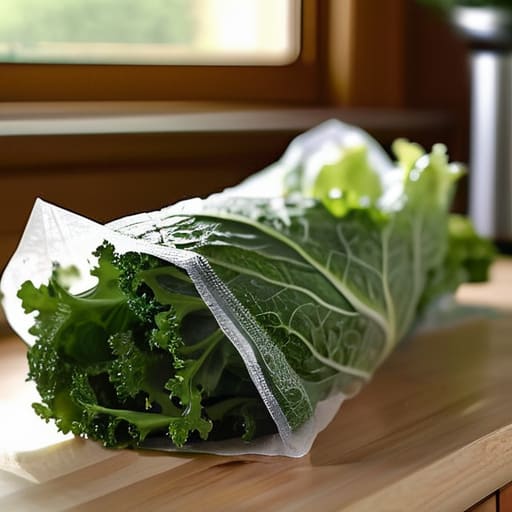
At the end of the day, food storage isn’t about having a Pinterest-perfect pantry or a color-coded fridge that looks like a showroom. It’s about the small, boring stuff—tucking your greens into a damp paper towel, knowing which spices to keep in the dark, and not letting that bag of spinach turn into a science experiment in the back of the crisper drawer. If you can just master a few repeatable systems that don’t require an hour of prep every Sunday, you’re already winning. Focus on the basics: keep things airtight when you can, use your space logically, and stop stressing over the “perfect” setup if it feels too complicated to maintain.
I know life gets chaotic. There will be weeks where you buy way too much produce and end up throwing half of it away, and that is perfectly okay. Don’t let the pursuit of a zero-waste lifestyle turn into a source of guilt. The goal here isn’t perfection; it’s just about making your life a little bit easier and your grocery budget go a little bit further. Start with one small change this week—maybe just a better way to handle your leftovers—and let that be enough. We’re just trying to build habits that actually last when things get messy.
Frequently Asked Questions
Is it actually worth buying those expensive glass containers, or can I just stick to what I already have?
Honestly? Save your money. I spent way too long thinking those aesthetic glass sets were the secret to a functional kitchen, but they’re just more things to wash and break. If you’ve already got mismatched plastic tubs, use them. The goal isn’t a Pinterest-perfect pantry; it’s making sure your leftovers don’t turn into science experiments. As long as they’re airtight and you can actually see what’s inside, they’re doing their job.
How do I know if something has actually gone bad versus just looking a little "off"?
Look, I’ve been there—staring at a carton of eggs like it’s a bomb. Here’s my rule of thumb: trust your senses, but don’t overthink it. If it smells funky, looks slimy, or the texture is weirdly mushy, toss it. But if it’s just a little wilted or a bruised apple? That’s usually fine for a smoothie or a sauce. If you’re genuinely questioning it, the cost of a new head of lettuce is way lower than the cost of food poisoning.
What’s the best way to handle produce that I know I probably won't get around to eating this week?
Look, we’ve all been there—buying a bag of spinach with the best intentions, only to find a bag of green slime four days later. If you know you’re too busy to eat it, don’t let it rot. Chop it up, throw it in a freezer bag, and toss it in the freezer. It’s not “gourmet,” but it’s perfect for smoothies or soups later. It’s about saving the food, not the aesthetic.
Are there any simple tricks to keep my freezer from becoming a black hole of frozen mystery items?
The “freezer black hole” is real, and I’ve definitely lived there. To stop the mystery meat phenomenon, stop using those flimsy grocery store bags—they’re impossible to stack. Get some decent, stackable airtight containers or even just heavy-duty freezer bags. Most importantly: label everything with a Sharpie and a date the second it goes in. If you can’t see it or don’t know when it was frozen, it’s basically trash. Keep it visible, keep it dated.