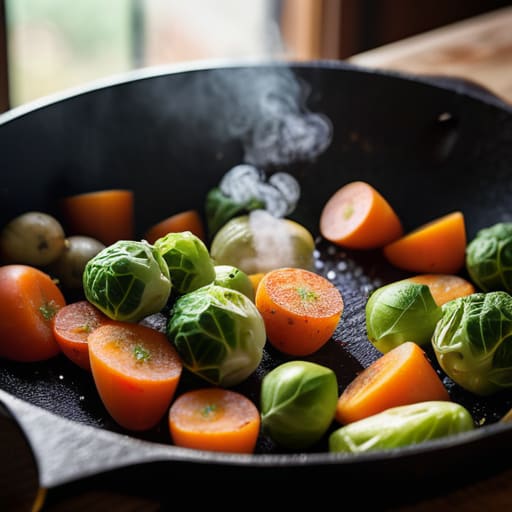
How to Season and Cook Vegetables for Maximum Flavor
I am so over the “aesthetic” cooking videos where someone spends forty minutes meticulously julienning a single carrot just to make a bowl of greens look pretty for a camera. Honestly, if I see one more person tell me I need a $200 professional-grade steamer or a specific artisanal salt just to figure out how to cook vegetables, I might actually lose it. We’ve turned basic nutrition into this high-maintenance performance, and frankly, it’s exhausting. Most of us aren’t trying to win a Michelin star; we’re just trying to eat something that isn’t a piece of toast after a ten-hour workday.
I’m not going to give you a list of complex culinary techniques that require a degree to master. Instead, I want to share the low-effort, high-reward systems I’ve built to keep my kitchen running without the burnout. We’re going to talk about real-world methods—like the one-pan roast or the “lazy sauté”—that actually work when your brain is fried and your kitchen is small. This is about sustainable eating, not perfection. Let’s get into the stuff that actually tastes good and doesn’t leave you with a mountain of dishes.
The Best Vegetable Cooking Methods for Busy Messy Lives
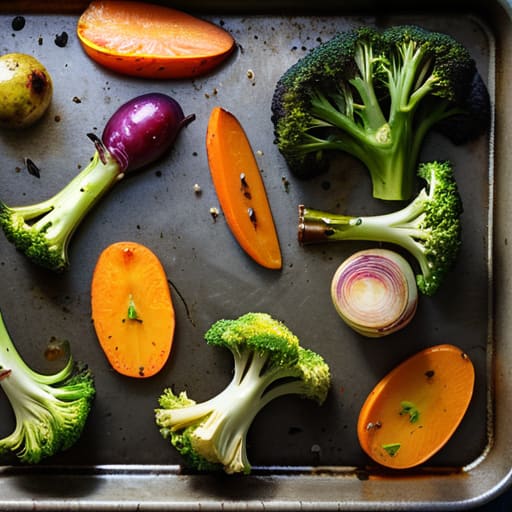
Look, we aren’t trying to win a Michelin star here; we’re just trying to eat something that didn’t come out of a crinkly plastic bag. When life is chaotic, I lean heavily on roasting. It is hands-down one of the best vegetable cooking methods because it requires almost zero active attention. You just toss whatever is looking sad in your crisper drawer—broccoli, carrots, even Brussels sprouts—onto a sheet pan with some olive oil, salt, and pepper, and let the oven do the heavy lifting. It’s much more forgiving than stovetop cooking, and honestly, that caramelized edge makes even the cheapest veggies taste like a treat.
If you’re in a real time crunch, don’t overlook the power of a steamer basket. I know, it feels a bit “health food store,” but when I’m staring down a deadline and haven’t eaten since breakfast, it’s a lifesaver. While there is a constant debate about steaming vs roasting vegetables regarding texture, steaming is much faster and keeps things light. My personal rule for keeping things interesting? Never skip the seasoning vegetables for flavor part. A squeeze of lemon or a dash of red pepper flakes at the very end can turn a boring pile of greens into something that actually feels like a real meal.
Quick Vegetable Side Dishes That Actually Taste Good
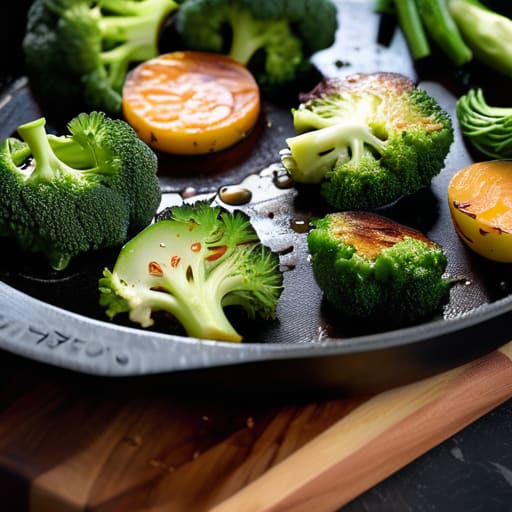
Look, I don’t have the energy for a three-course meal after a day of client calls. When I’m staring at a fridge that feels more like a graveyard for wilted greens, I lean on a few reliable, quick vegetable side dishes that require zero brainpower. My absolute go-to is the “pan-sear and forget” method. I grab whatever is looking sad—broccoli, zucchini, or even those little baby carrots—toss them in a skillet with a bit of olive oil, and let them get those crispy, charred edges. It’s much faster than waiting for an oven to preheat, and honestly, that texture is way more satisfying than anything mushy you’d get from a microwave.
If you’re feeling a bit more ambitious (or just need to clear out the crisper drawer), I’m a huge advocate for seasoning vegetables for flavor rather than just dumping salt on them. A squeeze of lemon juice or a dash of red pepper flakes at the very end changes everything. It turns a boring side into something that actually feels intentional. You don’t need a pantry full of expensive spices; just find one or two things you love and use them consistently. It’s about building a repeatable system for eating well, even when you’re running on caffeine and sheer willpower.
Five ways to actually get more greens in without the headache
- Stop trying to be a chef every Tuesday. If you’re exhausted, just throw frozen veggies onto a sheet pan with olive oil and salt. It’s not “gourmet,” but it’s better than ordering takeout for the third time this week.
- Buy the pre-cut stuff when you’re low on time. I know, I know—it’s a little more expensive and there’s more plastic involved, but if paying an extra dollar means you actually eat a bell pepper instead of letting it rot in the crisper drawer, it’s a win.
- Master the “one-pan” rule. My tiny kitchen can’t handle a sink full of pots, so I stick to roasting everything at once. Toss your broccoli, carrots, and sweet potatoes on one tray, set a timer, and walk away.
- Keep a “emergency” stash of canned or jarred veggies. A can of chickpeas or some jarred artichoke hearts can turn a boring bowl of rice into an actual meal in about thirty seconds. No chopping required.
- Don’t fear the seasoning. If your veggies taste bland, you probably aren’t using enough salt or acid. A squeeze of lemon juice or a splash of vinegar at the very end can make even the most mediocre sauté feel like a real meal.
The bottom line: Keep it simple
Stop chasing gourmet techniques; if a sheet pan and some olive oil gets nutrients on your plate, you’ve already won.
Build systems, not perfection—pre-chopping a big batch of veggies on a Sunday is way more effective than trying to be a chef every single night.
Don’t let a “failed” meal ruin your momentum; if the veggies are burnt or bland, just add salt, acid, or heat and move on to the next thing.
The reality of the veggie struggle
Stop trying to mimic a Michelin-star chef when you’re just trying to survive a Tuesday. You don’t need a complex recipe or a mountain of specialized equipment; you just need a reliable way to get some color on your plate without turning your kitchen into a disaster zone.
Nadia Halloway
Stop overthinking it
Look, at the end of the day, you don’t need a culinary degree or a kitchen full of specialized gadgets to get more greens into your diet. Whether you’re throwing frozen peas into a pan for some quick protein or roasting a tray of carrots while you tackle emails, the goal is simply to make it happen. We’ve talked about the different methods and some quick wins for side dishes, but the real takeaway is that consistency beats perfection every single time. If you end up with slightly charred broccoli or a mushy zucchini, it’s not a failure; it’s just dinner. Just keep the systems simple so they actually stick when your week turns into a total whirlwind.
I know how tempting it is to wait for that “perfect” Sunday meal prep session where everything is chopped, portioned, and aesthetically pleasing in glass containers. But life is rarely that organized, and trying to force it usually just leads to burnout and expensive takeout orders. My advice? Lower the bar. Start with one small, repeatable habit—maybe it’s just keeping a bag of spinach in the fridge at all times—and build from there. You don’t need a lifestyle overhaul to eat better; you just need to make it easy for your future, tired self to grab something decent. You’ve got this.
Frequently Asked Questions
How do I stop my vegetables from turning into a mushy, sad mess every time I cook them?
The “mushy mess” struggle is real, and honestly, it usually comes down to two things: heat and timing. Stop overcrowding your pan—if you pile everything in at once, the temperature drops and your veggies basically steam in their own sadness. Give them space to actually sear. Also, stop overthinking the timer. Start checking them a few minutes early. You want a little bit of “bite” left; they’ll keep cooking for a second once they hit the plate.
Is it actually worth it to prep my veggies on Sundays, or am I just wasting my one day off?
Honestly? If you try to chop everything for the whole week, you’ll probably burn out by Tuesday. That’s not a system; it’s a chore. Instead of a massive Sunday marathon, just do the “low-effort prep.” Wash the greens, chop one hardy veggie like carrots or peppers, and call it a win. It’s about reducing friction during the week, not turning your only day off into a second job. Keep it small.
What are some ways to make vegetables taste good if I'm not someone who naturally loves them?
Look, I get it. If your only experience with veggies is mushy, boiled broccoli from a childhood dinner, of course you hate them. The secret isn’t “eating more greens”; it’s about flavor profiles. Stop steaming everything into oblivion. Instead, roast them at high heat with plenty of olive oil, salt, and maybe some garlic powder until they actually get crispy. Add a squeeze of lemon or a sprinkle of parmesan at the end. Acid and fat are your best friends here.
How do I know when a vegetable is actually done without standing over the stove staring at it for twenty minutes?
Look, I don’t have the patience to stare at a pan like it’s a fine art piece either. My rule of thumb? Use your tools, not your eyes. Grab a fork—if it slides into a carrot or broccoli floret with just a little resistance, it’s perfect. If it feels like you’re fighting a rock, give it two more minutes. Honestly, a quick taste test is the only way to be sure.