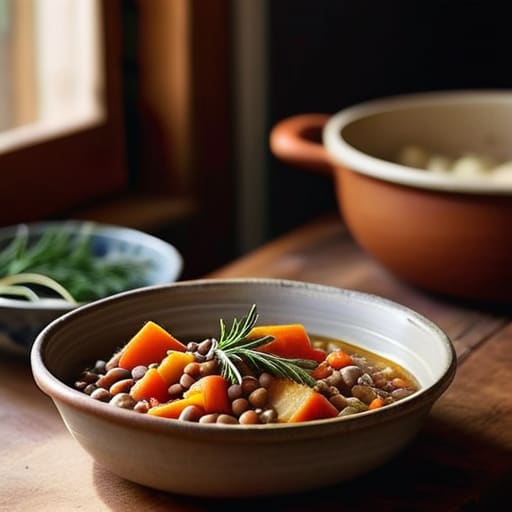
Delicious Meals You Can Cook Without Breaking the Bank
I’m so tired of seeing those “aesthetic” meal prep videos where someone spends three hours and sixty dollars on organic dragon fruit and artisanal sourdough just to look organized on camera. It’s fake, it’s exhausting, and frankly, it’s not a realistic way to learn how to cook on a budget. When I was living in that tiny, cramped apartment with nothing but a two-burner stove and a bank account that was perpetually screaming for help, I didn’t have time for performative wellness. I needed food that actually filled my stomach without making me regret my life choices by Tuesday.
I’m not here to give you a list of expensive “superfoods” or demand that you spend your entire Sunday in a state of culinary zen. Instead, I want to share the small, repeatable systems I’ve used to keep myself fed when things get messy. We’re going to focus on functional grocery shopping, pantry staples that actually work, and ways to make basic ingredients taste like something worth eating. No fluff, no expensive gadgets—just real-world tactics for eating well when the money is tight.
Small Wins Meal Planning for Savings That Actually Stick
Look, I used to treat meal planning like a high-stakes project management task. I’d spend three hours on a Sunday crafting a color-coded spreadsheet of gourmet meals, only to abandon it by Tuesday because I was too exhausted to chop a single onion. That’s not a system; that’s a recipe for burnout. Instead of aiming for culinary perfection, I shifted to a much more realistic approach: meal planning for savings that actually fits into a chaotic work week. I stopped trying to cook five new recipes and started focusing on a rotating cast of familiar, easy meals that use overlapping ingredients.
The secret isn’t in the fancy recipes; it’s in your inventory. Before you even look at a grocery circular, spend five minutes checking what you already have. I always keep a stash of affordable pantry staples—think dried lentils, rice, canned tomatoes, and oats—to act as my safety net. When you build your plan around what’s already in your cupboard, you’re not just saving money; you’re also practicing some of the best reducing food waste tips I know. It’s about making sure that bag of spinach actually makes it into a smoothie or an omelet before it turns into a science experiment in the back of your fridge.
The Real Secret to Grocery Shopping on a Budget

Here is the reality: the biggest drain on your wallet isn’t the price of the individual items; it’s the stuff you buy on a whim and then let rot in the back of your fridge. I used to be the queen of “aspirational grocery shopping”—buying fancy kale and expensive spices because I imagined a version of myself that had the energy to cook elaborate meals every night. Instead, I just ended up throwing money in the trash. If you want to master grocery shopping on a budget, you have to stop shopping for the person you wish you were and start shopping for the person you actually are on a Tuesday night when you’re exhausted.
The trick is to build your list around a foundation of affordable pantry staples like lentils, rice, and canned tomatoes. These aren’t glamorous, but they are the backbone of a system that works when life gets messy. Instead of wandering the aisles looking for inspiration, I treat my shopping trip like a tactical mission. I check what I already have, pick three core ingredients that can be used in multiple ways, and stick to the plan. It’s not about being a gourmet chef; it’s about minimizing decision fatigue so you don’t end up impulse-buying a $15 pre-made salad just because you’re hungry.
The "no-fluff" toolkit for eating well without the stress
- Stop treating spices like a luxury. I used to think I needed a $50 spice rack to make things taste good, but honestly? A few basics—salt, pepper, garlic powder, and maybe one decent chili flake—will carry you through 90% of your meals. Don’t overcomplicate it.
- Embrace the frozen aisle. There is a weird stigma around frozen veggies, but they’re actually better for your budget and often more nutritious because they’re flash-frozen at peak ripeness. Plus, they don’t turn into a science experiment in the back of your crisper drawer.
- Master the “base ingredient” shuffle. Pick one versatile, cheap staple like lentils, rice, or oats and learn three different ways to dress it up. If you can turn a bowl of lentils into a soup one night and a taco filling the next, you’ve won the game.
- Shop your own pantry before you hit the store. I’ve lost count of how many times I bought a jar of marinara only to realize I already had two in the back of the cupboard. Spend ten minutes looking at what you actually own; it’s basically free money.
- Ditch the “single-use” mindset. If you buy a massive bag of spinach because it’s cheap, don’t just make a salad. If it starts to wilt, throw it in a pan for an omelet or toss it into a smoothie. Using the whole thing is the only way to ensure that “cheap” price tag doesn’t end up being a waste.
The bottom line: making it work when life gets messy
Stop aiming for Pinterest-perfect meals; focus on building a rotation of 5-7 reliable, cheap staples that you actually enjoy eating.
Treat your grocery list like an operations manual—if it isn’t on the list, it doesn’t enter the house, period.
Don’t let a bad week derail your progress; if you end up ordering takeout, just reset the system the next morning instead of waiting for Monday.
The mindset shift
“Stop trying to recreate a Pinterest-perfect dinner party every night. Cooking on a budget isn’t about deprivation; it’s about building a system of reliable, cheap staples that keep you fed when your energy—and your bank account—are running low.”
Nadia Halloway
The Bottom Line
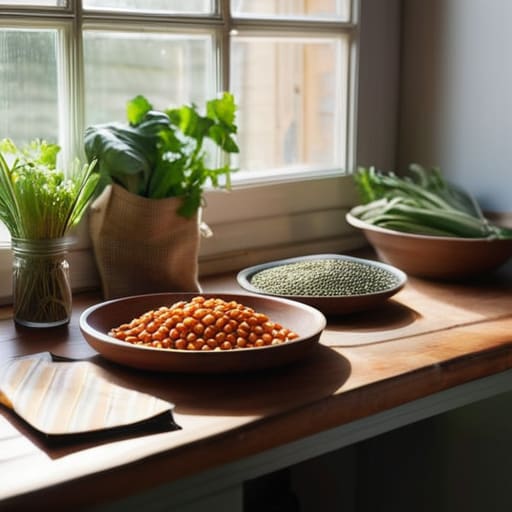
Look, we’ve covered a lot of ground here, and I know it can feel overwhelming when you’re staring at a mounting pile of receipts. But if you take anything away from this, let it be that budget cooking isn’t about deprivation; it’s about intentionality. Between mastering the art of the meal plan, sticking to your grocery list like it’s a lifeline, and leaning into those versatile pantry staples, you’re already building a system that works. You don’t need a gourmet kitchen or a massive budget to eat well; you just need a few repeatable habits that keep you from making those expensive, last-minute takeout decisions when the fridge looks empty.
At the end of the day, please remember that perfection is the enemy of progress. There will be nights when you’re too exhausted to cook, or you’ll buy a bag of spinach that ends up wilting in the crisper drawer before you even touch it. That’s okay. Don’t let one bad week derail your entire approach. The goal isn’t to live a perfectly curated, zero-waste life; it’s to create a sustainable rhythm that actually moves the needle for your bank account and your sanity. Start small, keep it simple, and just focus on doing a little bit better than you did yesterday.
Frequently Asked Questions
How do I stop myself from impulse buying those "healthy" snacks that end up sitting in the pantry for months?
Honestly, I used to be the queen of “aspirational snacking”—buying expensive kale chips because I wanted to be that person. The trick is to stop shopping by emotion. Before you grab that overpriced granola bar, ask: “Do I have a plan for this, or am I just buying a version of myself that doesn’t exist?” If it’s not on your list, leave it. Stick to the staples that actually satisfy you.
What are some actual, cheap protein sources that don't taste like cardboard?
Look, I get it. Most “budget protein” advice is just telling you to eat plain lentils until you lose your mind. If you want actual flavor without the price tag, lean into eggs—they’re the ultimate multitasker. Canned tuna is a lifesaver for quick lunches, and frozen edamame is surprisingly cheap and delicious. Also, don’t sleep on Greek yogurt or even cheap cuts of chicken thighs; the fat makes them way more forgiving when you’re cooking.
Is it even worth it to meal prep on Sundays if I know I'm probably going to order takeout by Wednesday?
Honestly? Yes, but stop trying to prep for the whole week. That’s where the burnout happens. If you’re eyeing that takeout menu by Wednesday, don’t aim for a five-day marathon. Just prep two solid, easy lunches or one big batch of something versatile like roasted veggies and grains. Think of it as a safety net, not a rigid schedule. Even two days of home-cooked meals beats three days of expensive delivery.
How do I manage to cook something decent when I only have about 20 minutes after a long workday?
Look, I get it. After a ten-hour day, the last thing you want to do is play Iron Chef. My rule? Build a “formula” rather than a recipe. Think: one grain, one protein, one green. Keep frozen veggies and pre-cooked grains in the pantry at all times. A bag of frozen peas, some quick-cooking couscous, and a canned tuna or a fried egg takes ten minutes and actually tastes like real food. Keep it simple.