The Ultimate Guide to Juicy, Never-dry Chicken Breast
I am so tired of seeing those “aesthetic” cooking videos where people spend forty minutes prepping a single piece of poultry with expensive sous-vide machines and artisanal salts. Honestly, if you’re just trying to get a decent dinner on the table after a ten-hour workday, you don’t need a culinary degree or a kitchen full of gadgets. Most of the advice out there on how to cook chicken breast is way too complicated, making it feel like a chore rather than just a basic part of your weekly routine. I used to think I was failing at meal prep because my meat always turned out like dry, flavorless cardboard, but the truth is that the “pro” methods are often just unnecessary friction.
I’m not going to give you a list of fancy equipment you’ll never use. Instead, I want to share the small, repeatable system I actually use when my life is messy and my energy is low. We’re going to focus on a few low-effort, high-reward tactics that ensure your chicken stays juicy every single time without the stress. This is about making your kitchen work for you, not the other way around. Let’s get into it.
Simple Chicken Breast Seasoning Ideas That Actually Work
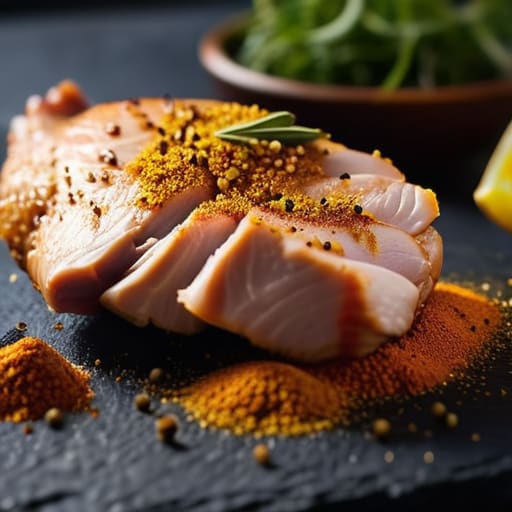
Look, I don’t have the energy for a spice cabinet that requires a PhD to navigate. When I’m mid-project or just trying to get through a Tuesday, I rely on a few foolproof chicken breast seasoning ideas that don’t require measuring out twenty different things. My absolute go-to is the “pantry staple” mix: salt, heavy black pepper, garlic powder, and smoked paprika. It’s simple, it’s fast, and it gives you that savory depth without making you feel like you’re prepping for a cooking competition. If you want something a bit brighter, just hit it with dried oregano and lemon zest—it’s a total game-changer for a quick salad topper.
The real trick, though, isn’t just the spices; it’s how you apply them to ensure you’re actually preventing dry chicken. I’ve learned the hard way that if you just sprinkle seasoning on top of a wet piece of meat, it just slides off into the pan. Pat the surface bone-dry with a paper towel first. This creates a better surface for the spices to stick to and is essential for successful pan searing chicken breast if you want that golden-brown crust. Think of it as setting the foundation before you build the house—it’s a small, repeatable step that makes a massive difference in the final result.
Moist Chicken Breast Techniques for Real Life
Look, we’ve all been there: you’re halfway through a busy Tuesday, you take a bite of what was supposed to be a quick dinner, and it feels like you’re chewing on a piece of drywall. It’s frustrating, and honestly, it’s a waste of good ingredients. Most of the time, preventing dry chicken isn’t about some high-tech sous vide machine; it’s just about managing moisture and heat. If you’re doing a quick pan searing chicken breast, the trick is to not rush the process. Get a good crust going, but then drop the heat slightly so the middle has time to cook without the outside turning into leather.
If you’re more of an oven person, try the “low and slow” approach with your oven baked chicken breast. I usually aim for a slightly lower temperature to keep things even. But here is the real secret: stop guessing. I know, I know—it feels like extra work—but grabbing a cheap meat thermometer is the single best way to ensure you hit the right internal temperature for chicken every single time. Once you hit 165°F (74°C), pull it off the heat immediately. Let it rest for five minutes before you even think about cutting into it. That little pause is non-negotiable if you want the juices to stay put instead of running all over your plate.
5 ways to stop making dry, sad chicken
- Buy a cheap digital meat thermometer. Seriously, stop guessing based on color or “feel”—that’s how you end up with a rubbery mess. Pull the chicken off the heat at 160°F and let it carry over to 165°F.
- Don’t skip the salt. Even if you’re using a pre-made seasoning blend, a little extra kosher salt helps the flavor actually penetrate the meat instead of just sitting on the surface.
- Let it rest. I know it’s tempting to hack into it the second it hits the plate, but if you don’t give it five minutes to settle, all those juices are just going to run out onto your cutting board.
- Flatten those uneven pieces. If one end of your chicken breast is thick and the other is paper-thin, use a heavy pan or a rolling pin to even it out. It ensures the whole thing cooks at the same rate.
- Use a little fat, even if you’re trying to be healthy. A tiny bit of olive oil or butter in the pan creates a barrier that helps with browning and keeps the moisture locked in while you’re searing it.
The Bottom Line for Busy Evenings
Stop overcomplicating the seasoning; a simple salt, pepper, and one extra spice combo is more sustainable than a pantry full of expensive blends you’ll never use.
Invest in a basic meat thermometer to take the guesswork out of cooking so you aren’t wasting money on dry, inedible dinners.
Focus on heat control and timing rather than fancy techniques—consistent, repeatable methods beat “gourmet” efforts that fall apart when you’re tired.
## Stop chasing perfection in the kitchen
“Forget the complicated culinary techniques and the expensive spice blends you’ll only use once; cooking a decent chicken breast is really just about having a reliable, low-effort system that works even when you’re too tired to care.”
Nadia Halloway
Stop Overthinking Your Dinner
At the end of the day, cooking a decent chicken breast isn’t about mastering some complex culinary technique or owning a kitchen full of expensive gadgets. It’s about having a few reliable systems in your back pocket. Whether you’re leaning on a simple spice rub to keep things interesting or using a basic thermometer to make sure you aren’t serving something dry and sad, the goal is efficiency. You don’t need a five-star setup; you just need to know that when you’re tired and hungry, you can rely on small, repeatable steps to get a meal on the table that actually tastes good.
I know how it goes—sometimes you just want to eat and get back to your life without the kitchen becoming a second full-time job. Don’t let the pressure of “perfect cooking” stop you from even trying. Perfection is exhausting and, honestly, a bit overrated. Just focus on getting the basics right, keep your tools simple, and remember that progress is better than perfection. Once you nail these fundamentals, you’ll find that dinner becomes one less thing to stress about, leaving you more energy for the things that actually matter.
Frequently Asked Questions
Is it actually worth the extra time to brine the chicken, or is that just more "aesthetic productivity" fluff?
Look, if you’re already drowning in meal prep, skip the brine. It’s a lot of extra dishes and time for a marginal gain. It’s not “fluff”—it does help with moisture—but it’s definitely not a non-negotiable. If you have the extra 30 minutes to spare, go for it. But if you’re just trying to get dinner on the table before the chaos of the evening hits, just focus on not overcooking it. That’s the real win.
How do I know if the chicken is actually done without constantly cutting into it and losing all the juices?
Look, I get it. Every time you slice into that chicken to “check” it, you’re basically watching all the moisture leak out onto the plate. Stop the guesswork. Seriously, just grab a cheap digital thermometer. It’s the only way to be sure without making a mess. Aim for 165°F (74°C), but pull it off the heat at 160°F; carryover cooking will do the rest. It’s a tiny tool that saves so much frustration.
Can I just throw frozen chicken breasts straight into the pan, or am I asking for a disaster?
Look, I get it—it’s 6:00 PM, you’re tired, and that chicken is still a brick in the freezer. But honestly? Throwing it straight into the pan is a recipe for disaster. You’ll end up with a burnt, crispy exterior and a literal ice cube in the middle. It’s frustrating and a total waste of good protein. If you’re in a rush, try the quick thaw in a bowl of cool water instead. It’s faster and actually works.
What’s the best way to meal prep this so it doesn't taste like dry cardboard by Wednesday?
The trick is to stop thinking about “meal prepping” as a single event and start thinking about moisture insurance. If you’re cooking a big batch, undercook it just a tiny bit—aim for 160°F instead of 165°F. The carryover heat will finish it, and it won’t be parched by Wednesday. Also, slice it after it cools and store it in its own juices or a bit of broth. It’s a small, repeatable system that actually works.