
Must-download Free Apps That Are Actually Worth Your Time
I’ve spent way too many years falling down the rabbit hole of “productivity porn,” thinking that if I just bought the right $50 planner or the sleekest subscription-based task manager, my life would finally feel organized. But between managing freelance clients and trying to restore a wobbly teak sideboard on the weekend, I’ve realized that expensive software is usually just a shiny distraction. We don’t need more clutter; we need the best free apps that actually serve a purpose without draining our bank accounts or our mental bandwidth. Honestly, if a tool doesn’t help me stay afloat when things get chaotic, it’s just digital noise.
In this post, I’m cutting through the marketing hype to share the seven tools I actually keep on my phone and laptop. These aren’t just random downloads; they are the small, repeatable systems that help me keep my head above water when my schedule gets messy. From managing my chaotic freelance workflow to keeping my budget from spiraling, these picks are all about functional simplicity. Let’s dive into the tools that actually move the needle without costing you a dime.
Notion for the Brain Dump
I used to think I needed a complex, multi-layered organizational system to feel “productive,” but mostly I just ended up wasting time setting up folders. Notion is my go-to because it’s essentially a digital blank slate. Whether I’m tracking a freelance project or just keeping a running list of thrift store finds, I can build exactly what I need without the clutter of features I’ll never use.
Google Calendar for Sanity
If there is one thing I’ve learned from years of juggling freelance clients and personal errands, it’s that if it isn’t on the calendar, it doesn’t exist. I don’t use fancy, paid scheduling software that promises to “optimize my life.” I just use Google Calendar because it’s reliable and ubiquitous. It’s the backbone of my entire week.
Trello for Visual Tasks
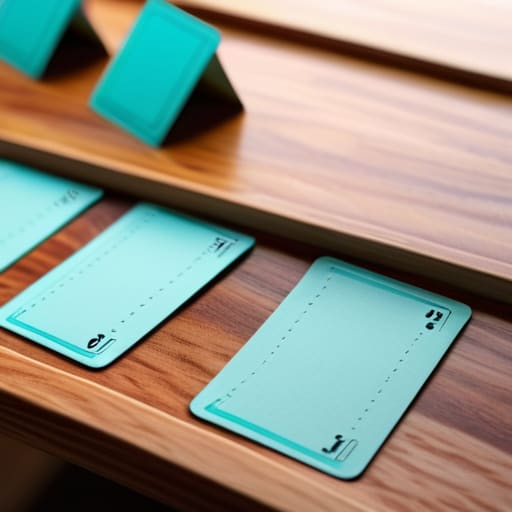
Sometimes, a long list of text just feels too heavy to tackle. When my to-do list starts looking like a grocery receipt from hell, I move over to Trello. The Kanban board style—where you move cards from “To Do” to “Doing” to “Done”—gives me a much-needed visual sense of progress. It turns an abstract mountain of work into something manageable.
I’ve tried every high-end habit tracker out there, but they always feel like they’re judging me when I miss a day. Habitica turns your life into a simple RPG, which sounds a bit silly, but it actually works for me. You earn points for completing tasks and lose “health” if you slack off. It’s a low-stakes way to gamify the boring stuff, like drinking more water or clearing my inbox.
Todoist for the Quick Hits
Notion is great for big ideas, but when I’m standing in the middle of a hardware store and realize I forgot to buy specific screws, I need something faster. Todoist is my “in-the-moment” tool. It’s incredibly snappy, and the natural language input means I can just type “Call the landlord Friday at 10am” and it automatically schedules it.
Canva for Non-Designers
As a freelancer, I occasionally need to whip up a quick invoice, a simple presentation, or even a social media graphic, and I definitely don’t have the budget for a professional designer. Canva is my secret weapon here. It’s not about creating high-art; it’s about making things look clean and professional without spending three hours staring at a blank screen.
Forest for Deep Focus
My biggest struggle is the constant, buzzing distraction of my phone. Every time I sit down to work, I find myself reflexively checking Instagram. Forest is a simple app that helps you stay off your device by growing a virtual tree. If you leave the app to check something else, your tree withers and dies. It sounds dramatic, but it’s a surprisingly effective psychological nudge.
The Bottom Line
Don’t fall into the trap of “productivity porn”—you don’t need a complex, paid ecosystem to get things done; you just need a few reliable tools that actually help you clear your head.
The best app is the one you actually use, so pick something simple and stick to it rather than constantly jumping to the next shiny, expensive thing.
Focus on building small, repeatable habits around these tools instead of waiting for some grand moment of perfect organization that’s never going to happen.
Stop Chasing the Hype
“We need to stop treating productivity like a luxury hobby that requires a premium subscription. A tool isn’t ‘better’ just because it has a flashy interface or a monthly fee; the best app is simply the one that stays out of your way and helps you get your life back on track when everything else is falling apart.”
Nadia Halloway
The Bottom Line
At the end of the day, these apps aren’t magic wands that will suddenly fix your entire life. Whether you’re using a simple task manager to keep your head above water or a basic note-taking tool to stop your brain from leaking ideas, the goal is the same: reducing the mental friction that makes daily life feel heavy. You don’t need a complicated, paid ecosystem or a suite of tools that requires a PhD to navigate. All you really need is a few reliable, free resources that help you capture, organize, and execute without adding more clutter to your digital space.
If you’re feeling overwhelmed by the sheer number of options out there, my best advice is to just pick one and start small. Don’t try to overhaul your entire workflow overnight; that’s how you end up with a bunch of half-finished setups and a lot of wasted time. Instead, focus on building one tiny, repeatable habit that actually sticks when things get chaotic. Productivity isn’t about achieving some impossible state of perfection; it’s about creating enough breathing room to actually enjoy your life. You’ve got this, even on the messy days.
Frequently Asked Questions
I've tried a dozen apps before, but how do I know if one of these will actually stick or if I'm just wasting more time setting it up?
Honestly, I’ve been there. I used to spend hours color-coding Notion boards just to feel productive, only to abandon them three days later. Here’s the trick: if you spend more time “organizing” the app than actually doing the work, it’s a trap. Pick one, use it for a week without changing a single setting, and see if it actually lightens your mental load. If it feels like a chore, ditch it. Move on.
Are these apps actually free, or am I going to hit a paywall the second I try to do anything useful?
I get it—the “free” label feels like a trap sometimes. Most of these are genuinely free for what you actually need. You might see “Pro” versions or fancy upgrades, but for basic task management or note-taking, you won’t hit a wall. I’m not interested in tools that bait-and-switch you. Use the free versions to build your systems first; if a paid tier doesn’t eventually pay for itself in saved time, it’s not worth it.
Do I really need all seven of these, or can I just pick one or two and actually get things done?
Honestly? Please, do not try to use all seven. That is exactly how you end up spending more time “organizing” than actually working. That’s the productivity trap I’m always talking about. Pick one for your tasks and maybe one for your notes. If those two do the job, stop there. The goal isn’t to have a perfect digital ecosystem; it’s to clear the mental clutter so you can actually breathe.
How do I stop myself from getting sucked into "productivity porn" and actually start using these tools to clear my plate?
Honestly? Stop looking for the “perfect” setup. Productivity porn is just procrastination in a fancy suit. You spend three hours color-coding a Notion board instead of actually doing the work. My rule is simple: pick one tool, set a ten-minute timer, and just start. If the tool doesn’t make your life easier within a week, ditch it. We’re building systems that work, not digital shrines to things we’ll never actually do.