
Year-round Tips for Cutting Down on Utility Costs
I am so tired of seeing those “smart home” influencers claim you need a $500 ecosystem of connected sensors just to figure out how to save on utilities. It’s total nonsense. Last winter, I spent an entire month obsessing over my thermostat settings, thinking I needed some high-tech gadgetry to fix my skyrocketing heating bill, only to realize I was just throwing money at a problem that required much simpler solutions. You don’t need a degree in electrical engineering or a massive budget to stop the bleeding in your bank account; you just need to stop falling for the expensive, shiny distractions that don’t actually move the needle.
I’m not going to give you a list of impractical lifestyle changes that you’ll abandon by Tuesday. Instead, I want to share the small, repeatable systems I’ve actually used to keep my own costs down while living in tiny, drafty apartments. We’re going to focus on low-effort habits and cheap, functional fixes that actually stick when life gets messy. No fluff, no expensive gear—just the real ways to cut your bills without making your daily routine feel like a chore.
Smart Thermostat Benefits for Those Too Busy to Micromanage
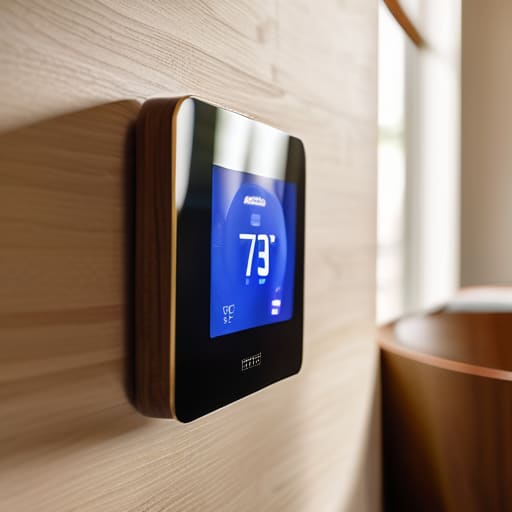
Look, I get it. The idea of “smart home technology” usually sounds like another expensive hobby that requires more work than it saves. But if you’re anything like me—running between freelance calls and trying to figure out why my thrifted sideboard is wobbling—you don’t have the mental bandwidth to manually adjust the AC every time you leave the house. This is where the real smart thermostat benefits kick in: they take the decision-making off your plate.
Instead of playing a constant game of “is it too hot in here?” or “did I leave the heat on?”, a programmable device handles the heavy lifting. You can set a schedule once, and it just works. By automating your temperature shifts, you’re essentially lowering heating and cooling costs without having to think about it once a week. It’s one of those rare energy efficient home improvements that actually pays for itself by removing the human error factor. You aren’t trying to achieve some perfect, Pinterest-worthy climate; you’re just setting a system that ensures you aren’t heating an empty apartment while you’re out grabbing coffee. It’s about building a tiny, automated habit that protects your bank account while you’re busy actually living your life.
Low Effort Energy Efficient Home Improvements That Actually Stick
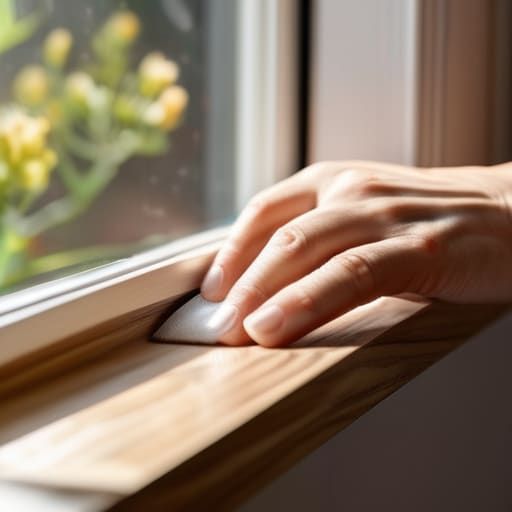
Look, I’m not going to tell you to rip out your drywall to install high-end industrial insulation. That’s expensive, loud, and frankly, a nightmare for anyone with a full-time job. If we’re talking about energy efficient home improvements that don’t require a massive renovation budget or a week of your life, we need to look at the “leaks.” I’m talking about those tiny gaps around windows and doors that let your expensive climate-controlled air escape. Grab a roll of weatherstripping or some simple caulk from the hardware store; it takes twenty minutes, costs less than a takeout order, and it’s one of those small, repeatable systems that actually pays off when the next heating bill arrives.
Another thing that’s easy to overlook is your water usage. We often focus so much on electricity that we forget how much energy it takes to heat the water we use every single day. Instead of buying a fancy new low-flow showerhead, just try a few simple reducing water consumption tips, like turning the tap off while you’re brushing your teeth or washing dishes. It sounds cliché, but it’s about minimizing waste without adding friction to your routine. These aren’t grand gestures; they’re just better ways to manage the systems you already have.
Small, low-maintenance tweaks for your monthly bills
- Stop paying for water you aren’t using by swapping out your old showerheads for low-flow ones. It takes five minutes, requires zero “smart” technology, and actually makes a dent in your water bill without you having to think about it every single morning.
- Check your fridge and freezer seals with the old paper trick—slide a piece of paper between the door and the seal; if it slides out easily, you’re literally leaking cold air and wasting money. It’s a quick fix that saves more than most people realize.
- Unplug your “vampire” electronics. I know, it sounds like a chore, but if you have a power strip for your desk or entertainment center, just flip the switch when you’re done for the night. Those little standby lights are tiny energy drains that add up over a month.
- Switch your lightbulbs to LEDs as they burn out, but don’t go out and replace every single one in the house at once. That’s an unsustainable burst of effort. Just make it part of your “when it breaks, replace it” system so the transition happens naturally.
- Use your curtains as a manual climate control system. Close them during the hottest part of the day in the summer to block the sun, and open them during a sunny winter day to let the free heat in. It’s a zero-cost way to help your HVAC system breathe a little easier.
The "Don't Overthink It" Summary
Stop waiting for a massive renovation to save money; small, mindless tweaks like sealing a drafty window or swapping a bulb are what actually lower your bills over time.
Invest in tech that works in the background—if a gadget requires you to manage it every single day, it’s not a tool, it’s a chore you’ll eventually ignore.
Focus on systems, not perfection. It’s better to have one simple habit, like unplugging your coffee maker, that you actually keep than a complex energy plan that falls apart the second you have a busy week.
## Forget the "Smart Home" Hype
“Stop stressing over whether you need the latest $300 smart gadget to save a few cents; real savings come from the tiny, boring systems you actually have the energy to maintain when your week is falling apart.”
Nadia Halloway
Cutting the Noise, Not Just the Costs
Look, we’ve covered a lot of ground, from letting a smart thermostat do the heavy lifting to making those tiny, low-effort home tweaks that don’t require a weekend-long DIY project. The goal here isn’t to turn your home into a high-tech laboratory or to spend your entire Saturday insulating every single crack in the window frame. It’s about finding those small, repeatable systems—like adjusting your water heater or swapping a few bulbs—that quietly shave money off your monthly bills without requiring you to become a full-time energy auditor. If you focus on the high-impact, low-maintenance wins, you’ll see the difference in your bank account without the burnout.
At the end of the day, your home should be a place where you recharge, not a place that feels like a constant math problem you can’t solve. Don’t feel like you have to implement every single tip I’ve mentioned by tomorrow morning. Just pick one thing—literally just one—and get it done. Perfection is the enemy of progress, and in my experience, consistency beats intensity every single time. Start small, keep it simple, and let these tiny habits build up over time. You’ve got this, and your future, less-stressed self will definitely thank you.
Frequently Asked Questions
Is it actually worth the upfront cost to upgrade my old appliances, or should I just stick to small habit changes?
Honestly? Unless your fridge sounds like a jet engine or your dishwasher is literally leaking, don’t drop thousands on new appliances just for the “efficiency” label. That’s the kind of grand gesture that drains your savings without actually fixing your workflow. Stick to the small systems first—like cleaning your dryer lint trap or only running full loads. If the math shows your old gear is a massive money pit, then upgrade. Otherwise, keep your cash.
How much of a difference does it really make to wash my clothes in cold water versus hot?
Honestly? It makes a massive difference, and it’s one of the easiest “set it and forget it” wins for your budget. About 90% of the energy your washer uses goes toward heating the water. Switching to cold isn’t just about the electricity bill, though; it’s better for your clothes, too. It prevents shrinking and fading, which means you aren’t replacing your wardrobe as often. It’s a tiny system change that actually adds up.
Are there any specific "energy vampires" in my house that are secretly draining my bank account while I sleep?
Oh, absolutely. We’re talking about “phantom loads”—those little devices that suck power even when they’re technically “off.” Your coffee maker, your old gaming console, and even those cheap phone chargers left plugged into the wall are all tiny energy vampires. I used to ignore them until I realized my electric bill was creeping up for no reason. Honestly, the easiest fix? Grab a few power strips with actual on/off switches. Flip them once before bed and call it a day.
I live in a rental—what are some ways I can lower my bills without making permanent changes to the property?
Rentals can feel like a trap when you want to save money but can’t touch the walls or the HVAC. My go-to? Plug-in smart plugs for your lamps and appliances—they’re easy to swap out when you move. Also, grab some heavy blackout curtains. They aren’t “permanent,” but they’re a game-changer for keeping heat in during winter or blocking the sun in summer. It’s about small, temporary tweaks that actually lower the bill.